Get an estimate for your video project in less than a minute.

Get an estimate for your video project in less than a minute.
| What are good examples of compliance training videos? Good compliance training videos teach one rule through a situation the viewer recognizes. Strong examples include the FTC’s ransomware video, OSHA’s Remembering Tim, the NSW ICAC’s animation on gifts and hospitality and AkzoNobel’s code of conduct video. Most run under five minutes. Each one leaves the viewer with a clear action. |
Compliance training videos teach employees the laws, regulations and company rules that apply to their work. This list collects 14 of them, organized by topic. The corporate compliance training topics they cover fall into four groups: people, data, safety and money.
For each video we describe what it shows, its format, its runtime and why it teaches the rule well. Six are videos we produced. The other eight come from regulators and one company: the EEOC, the Office of the Privacy Commissioner of Canada, OSHA, the US Department of Labor, the FTC, FINTRAC, the NSW Independent Commission Against Corruption and AkzoNobel. This is a guide to the videos, not legal advice. Check the rules that apply to your organization with your own counsel.
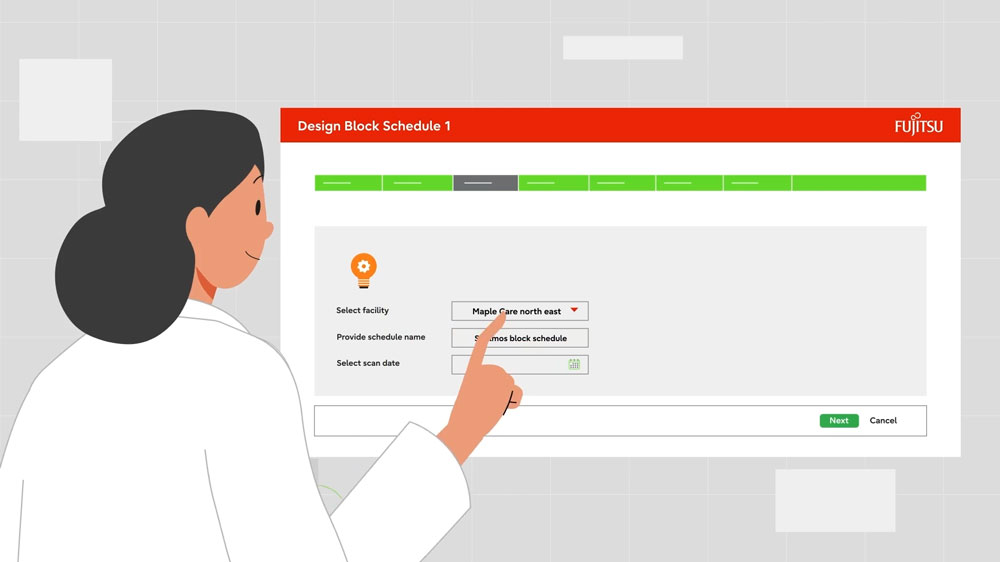
We started with the corporate compliance training topics that regulators and employers train on most often. For each topic we looked for a video that teaches the rule well. Every third-party video is an official upload from the regulator or company that made it. We describe our own videos from their scripts. We have produced videos for more than 15 years, so we also note what each format does well.
| # | Video | Topic | Made by | Format | Runtime |
|---|---|---|---|---|---|
| 1 | Bias definition clip | Unconscious bias | UBC Canada District (our video) | 2D animation | 0:15 |
| 2 | Youth@Work Part 2 | Harassment and discrimination | EEOC | Classroom video | 6:06 |
| 3 | Be privacy proficient | Data privacy and consent | Office of the Privacy Commissioner of Canada | Educational video | 2:28 |
| 4 | Workplace Accessibility | Accessibility | Small Business BC (our video) | Motion graphics | 3:18 |
| 5 | Remembering Tim | Heat illness and hazard prevention | OSHA | Story video | 8:28 |
| 6 | Ransomware | Cybersecurity | FTC | Educational video | 1:24 |
| 7 | Stereotypes clip | Stereotypes and inclusion | UBC Canada District (our video) | 2D animation | 0:30 |
| 8 | An introduction for reporting entities | Anti-money laundering | FINTRAC | Recorded presentation | 36:39 |
| 9 | Health and Safety Video | Safety culture | New Gold (our video) | 2D animation | 1:03 |
| 10 | Todd and the IRS text | Fraud and impersonation scams | Accounting Aid Society (our video) | 2D character animation | 1:32 |
| 11 | Retaliation for speaking up is not OK | Whistleblowing | US Department of Labor | Awareness video | 1:31 |
| 12 | Corruption pitfalls | Anti-bribery and gifts | NSW ICAC | 2D animation | 4:47 |
| 13 | This is our Code of Conduct | Code of conduct | AkzoNobel | Live action | 3:27 |
| 14 | Psychological health video | Psychological health and safety | Mental Health Commission of Canada (our video) | Animation | 0:56 |
This 15-second animation defines unconscious bias for apprentices and instructors in the construction trades. It opens a longer lesson, so it does one job. It gives the viewer a definition to hold on to before the scenario starts.
Client: UBC Canada District.
Project type: 2D scenario-based animation, 0:15.
Communication challenge: Introduce bias to apprentices and instructors on the job site without putting anyone on the defensive.
Creative approach: The script starts with the crew. People from different backgrounds, ages, experiences and skills make the crew stronger. Then it names the problem plainly. Sometimes, without realizing it, we make quick judgments about each other. That is called bias.
People tune out when bias training feels like an accusation. Starting with what makes the crew strong keeps the tone practical. You can read how the full six-video series was planned in our UBC Canada District case study.

Youth@Work Part 2 is a classroom video from the US Equal Employment Opportunity Commission. It runs 6:06 and describes work situations young people may meet at their first jobs. The EEOC created it in 2012. It sets out to answer two questions. What is illegal discrimination on the job, and what can someone do about it? The EEOC lists this part as covering sexual harassment, retaliation, and race and religion discrimination.
Harassment and discrimination is one of the core compliance topics in almost every workplace. The video is made for viewers who may be new to the terms. Work situations turn a legal word like retaliation into something a viewer can recognize. The EEOC also posts a curriculum guide for classrooms, so a trainer can run a discussion after the video. The EEOC’s harassment guidance is a clear public reference for the US definitions.
Be privacy proficient: Get meaningful consent is a 2:28 educational video from the Office of the Privacy Commissioner of Canada. The regulator made it to help businesses subject to PIPEDA, the federal private sector privacy law, understand their obligations for obtaining meaningful consent.
The video explains that privacy information should be readily available and easy to understand. It tells businesses to say what they collect, who they share it with and why. Customers need a clear way to say no to non-essential collection. They must also be able to withdraw consent. The regulator’s consent guidance covers the same points in more depth.
The video frames privacy as a trust issue, not only a legal one. Staff who handle customer data remember why the rule exists. At under three minutes, it fits into onboarding without a separate session.
This 3:18 motion graphics video explains workplace accessibility to small business owners. It defines barriers, names five kinds and answers the cost objection with a figure.
Client: Small Business BC.
Project type: motion graphics training video, 3:18.
Communication challenge: Explain workplace accessibility to owners who may assume it is expensive or not their concern.
Creative approach: The script opens with a question. What do you think accessibility means? It then defines a barrier as anything that hinders full and equal participation in society. It names five kinds: communication, technology, attitudinal, systemic and environmental.
The script meets the cost objection head on. It cites the Retail Council of Canada: more than two thirds of accommodations cost less than $500, and many cost nothing. It closes by asking the opening question again, so viewers can check how their answer changed. Abstract shapes and animated text carry the ideas. No characters are needed. The project is covered in our Small Business BC case study.
Remembering Tim: A life lost to heat illness at work is an 8:28 story video from the US Department of Labor’s Occupational Safety and Health Administration (OSHA). It tells the story of one worker. On a hot July day in upstate New York, Tim collapsed and later died from heat illness. It was only his second day of work.
Hazard prevention is a compliance topic where the rules can feel like paperwork. A single life is harder to ignore than a checklist. A name makes the reason behind the rule concrete. The detail that it was his second day is a reminder for anyone who onboards new workers in hot weather. OSHA pairs the video with its heat illness prevention and first aid resources.
Ransomware is a 1:24 educational video from the Federal Trade Commission’s Cybersecurity for Small Business series. It opens on a situation every office worker knows. You get an urgent email at work, maybe from HR or your company CEO. You click the link. Now you are locked out of the system, along with the rest of the company.
From there the script gives two short plans. To prevent an attack, back up business data outside your network, teach everyone to spot ransomware and install the latest patches and security updates. If an attack happens, disconnect infected devices right away and contact the authorities. The video ends on its own thesis. The best defense against cyber threats is an informed workforce.
The video focuses on one threat. Security training often tries to cover everything at once. In under a minute and a half, this video gives staff one scenario to recognize and a few steps to follow. Attacks keep changing, so cybersecurity is a topic to refresh often.
This 30-second animation explains stereotypes to people in construction apprenticeships, where teamwork is critical. It comes from the same series as the bias video in item 1.
Client: UBC Canada District.
Project type: 2D scenario-based animation, 0:30.
Communication challenge: Explain stereotypes to apprentices in a way that supports inclusion on the crew.
Creative approach: The script calls stereotypes invisible barriers. It defines them as fixed, oversimplified ideas about groups of people. They form when we make quick assumptions based on limited information or what we have been told.
The key line separates stereotypes from bias. Unlike personal bias, stereotypes are generalizations applied to entire groups, and they can be positive or negative. That distinction gives the instructor something to discuss after the video ends. Short definition clips like this one also make the series easy to reuse across several sessions.
FINTRAC: An introduction for reporting entities is a recorded presentation from the Financial Transactions and Reports Analysis Centre of Canada. FINTRAC is the country’s financial intelligence unit and anti-money laundering (AML) regulator. The video runs 36:39 and is organized into chapters.
The presentation starts with FINTRAC’s mandate. It then explains money laundering, terrorist financing and sanctions evasion. The second half walks through a compliance program, know your client rules, reporting to FINTRAC and record keeping. Timestamps in the description let viewers jump to the obligation they need.
Unlike most compliance training videos on this list, it is made for regulated sectors such as financial institutions and money services businesses. It works as a reference session for a compliance officer building a program. It is not a quick watch. It also shows why a shorter video for frontline staff is worth making.
By the numbers: FINTRAC raised its maximum administrative monetary penalties on March 26, 2026, to up to 40 times the previous limits. The old cap for an entity was $500,000 per violation. See FINTRAC’s summary of the changes.
This 1:03 video for New Gold turns the phrase safety is our number one priority into rules workers can act on. It asks what that priority actually means, then answers in plain sentences.
Client: New Gold, a Canadian gold producer.
Project type: 2D animated health and safety culture video, 1:03.
Communication challenge: Show what the company’s safety commitment means in daily behaviour, beyond the rules themselves.
Creative approach: The script answers its own question with short rules. If a job can’t be done safely, it can’t be done. If one of us is unsafe, we are all unsafe.
It tells workers to stop work if it is not safe and to respect colleagues who identify hazards. It ends by saying safety is not something to check off a list or raise only in a morning meeting. It takes the courage to care for every team member. That ending moves the video from compliance to culture, which is the point of the piece.
This 1:32 character animation for Accounting Aid Society teaches viewers to spot scams that impersonate a tax agency. It follows one person through one decision, then gives a single rule.
Client: Accounting Aid Society, a nonprofit tax clinic.
Project type: 2D character animation, 1:32.
Communication challenge: Warn people about fake IRS messages and explain how the IRS really contacts people.
Creative approach: Todd gets a text that claims to be from the IRS. Before he answers, he calls his cousin Ruby, who got a similar text last year.
Ruby gives him one rule. She says the IRS will never contact you by social media, email, text or phone calls, only by mail. The same structure suits workplace fraud training, where scammers pose as a bank or a senior executive. Give staff one clear rule about how real requests arrive and who to call to check.
Correction: The rule in this video is out of date. The IRS says it usually contacts people first by mail. It may also call. It only emails or texts people who have opted in. A social media message is never from the IRS. See how to know it’s really the IRS.
Retaliation for speaking up is not OK: whistleblower rights is a 1:31 awareness video from the US Department of Labor. It is Episode 2 of a series on worker rights under Section 11(c) of the Occupational Safety and Health Act, which protects workers from retaliation for raising safety concerns.
Whistleblower training tells employees how to raise a concern safely and makes clear that retaliation is not allowed. The title is the message. A worker who remembers nothing else is likely to remember that speaking up is protected. At a minute and a half, it fits at the start of a session on internal reporting channels and on how managers should respond to a report.
Corruption pitfalls: gifts, hospitality and bribes is a 4:47 animated video from the NSW Independent Commission Against Corruption (ICAC). The ICAC made it to show public officials the pitfalls when suppliers, applicants or customers offer them gifts and hospitality.
The video defines a gift broadly. A gift can be anything of value, including tickets, accommodation, food or discounts on goods and services. The ICAC draws the key line in its own description. Some gifts are token in nature, such as a modest thank you gift for a conference speaker. Others may be intended to secure favourable treatment or cultivate a relationship with a government employee. Flat 2D characters act out these moments at a service counter and in a handshake over an envelope of cash. On-screen labels such as Favourable treatment and Criminal offence mark each risk.
Anti-bribery rules stay abstract until you see the moment an offer is made. Watching the offer happen lets staff rehearse the decision before they face it. The same approach suits private companies that deal with public officials or set limits on gifts and entertainment.
This is our Code of Conduct is a 3:27 live action video from AkzoNobel, the paints and coatings company. It introduces the company’s code through people rather than policy text. AkzoNobel describes the idea this way: the little choices we make every day build a bigger picture, doing the right thing for our customers, colleagues and communities.
A code of conduct ties the other compliance topics together. It usually covers honest business, conflicts of interest, company assets and confidential information. Most codes are long documents. This video does not try to summarize every rule. It uses live action footage of people at work and in everyday settings, and frames the code as a set of small daily choices. The description sums up the message in two lines. This is our Code of Conduct. This is what we stand for.
It works as the opening piece of a code of conduct program. It sets the tone and tells employees why the code matters. Shorter modules can then take one decision each, such as a supplier gift or an outside job, and end with the question an employee should ask before acting.
This 56-second animated video was produced for the Mental Health Commission of Canada. The commission champions the National Standard of Canada for Psychological Health and Safety in the Workplace.
Client: Mental Health Commission of Canada.
Project type: animated video, 0:56.
Psychological health and safety training helps managers and staff recognize workplace factors that affect mental health, such as workload and respectful conduct, and respond with support. Mental health is a topic where animation helps. It can show a feeling or a situation without putting a real employee on camera. A short runtime also lets a manager open a team meeting with it before a discussion.
The strongest compliance training videos on this list share five habits.

Check a tax message through an official channel before you reply. If a job can’t be done safely, it can’t be done. Retaliation for speaking up is not OK. One main rule is easy to remember. Some topics need a few related steps. Five unrelated rules in one video blur together.
The FTC video opens on an urgent email at work. The Accounting Aid Society video opens on Todd’s phone. The ICAC video shows the offer at a service counter. Viewers learn faster when they recognize the moment.
Small Business BC’s video expects the viewer to worry about cost, so it answers with a figure. Every compliance topic has an objection. Name it in the script.
A 15-second clip can open a lesson. A 36-minute FINTRAC session suits a compliance officer. Most of the frontline videos on this list run between one and five minutes.
Report it. Stop work. Call to check. Disconnect the device. A compliance training video should end on the action and the channel, not on the policy number.
Compliance training videos are short videos that teach employees a law, regulation or company rule and the action it requires. They cover topics such as harassment, privacy, safety, cybersecurity, anti-bribery and the code of conduct. Regulators publish many of them. Companies also produce their own to match their policies.
The most common corporate compliance training topics are harassment and discrimination, data privacy, health and safety, cybersecurity, accessibility, anti-money laundering, anti-bribery, whistleblowing and the code of conduct. Your industry and location decide which ones are required.
Video gives every employee the same message in the same words. It can show a situation instead of describing it, and staff can watch it on their own schedule. We explain how we plan these projects on our training video production page.
Yes. All six of the videos we produced on this list are animated, including the UBC Canada District series on bias and stereotypes. The ICAC’s anti-bribery video is animated too. Animation suits sensitive topics because it can show a situation without putting real employees on camera.
Long enough for one rule and one action. The videos we produced on this page run from 15 seconds for a single definition to just over three minutes for Small Business BC’s accessibility video. You can compare more lengths and formats in our corporate training video examples.
Compliance training videos change by industry and country, but the teaching problem stays the same. People need to understand one rule, see why it matters and know what to do next.
Start with the corporate compliance training topics your regulators require. Then give each one a short video with a clear audience, a clear message and a clear action.

Larry is the Founder and Producer at Mammothic Films, with more than 15 years of production experience. He leads a team that creates story-driven videos for businesses and brands. A marketer, designer, and animator, Larry has overseen the production of more than 1,500 videos for Fujitsu, Logitech, Warner Brothers, NFL, Blockdaemon, Astronomer, Canonical, and 370+ other companies in Canada, the United States, and around the world.
Larry is a devout Christian who believes in placing God first, and that everything else is a blessing that comes from serving Him. When he’s not working, he’s hanging out with his wife and three kids, playing the piano, or sightseeing.
We use cookies to improve your experience on our site.
Manage your cookie preferences below:
Essential cookies enable basic functions and are necessary for the proper function of the website.
