Get an estimate for your video project in less than a minute.

Get an estimate for your video project in less than a minute.
Types of music videos range from a direct performance to a constructed story, an animated world or a simple visual loop. Each asks something different of the artist and the production team. This guide covers 14 formats, compares the effort behind them and explains how to choose a direction that fits the song, the performer and the places people will watch.
| What are the types of music videos? Performance, narrative and concept are a useful starting grouping for music videos, although formats often overlap. Lyric videos and visualizers can offer simpler production options when the design is restrained. Animation can range from a modest graphic treatment to a demanding character production. Choose the idea and scope before judging the likely effort. |
A music video is a screen work built around a recorded song or musical performance. It can introduce an artist, interpret the music, support a release or provide a visual experience alongside the track.
It does not have to tell a literal story. A performance can establish the artist’s presence. A concept can connect images through mood or a visual rule. A lyric treatment can make the words central to the experience.
Today, the production may need more than one finished version. A full video can live on YouTube while vertical cutdowns, short loops and release assets serve other placements. Those versions need planning because the same framing will not always work everywhere.
When deciding what is a music video for your release, begin with its purpose. Is the viewer meant to remember the performer, follow a story or stay with a particular feeling? A clear answer gives the treatment a direction and keeps production choices connected to the song.
A music video starts with the song, but the practical decisions shape the result just as much. Every idea has to fit a shoot schedule, the locations you can get and the budget you have. Those limits help more than they hurt. They force you to choose one strong idea and commit to it. I would rather shoot one concept well than try three ideas and do none of them properly. That is the first conversation I have with any artist.
These kinds of music videos overlap, but the table helps identify the production’s main organizing idea.
| Type | What it shows | Effort | Best for |
|---|---|---|---|
| Performance | Artist or band performing | Medium | Establishing performer presence |
| Narrative | A constructed story | High | A song with a strong story direction |
| Concept | Images connected by an idea | Medium | A distinctive visual identity |
| Lyric | The song’s words in motion | Low to high | Word-led releases |
| Animated | Designed moving imagery | Medium to high | Imagined worlds or stylized stories |
| One-take | A continuous-looking sequence | High | Planned movement and live energy |
| Dance and choreography | Movement built around the track | High | Rhythm and physical performance |
| Live and concert | An actual performance event | Medium to high | Showing the live experience |
| Visualizer | A restrained repeated visual | Low to medium | A simple track companion |
| Abstract and art | Non-literal visual relationships | Medium to high | Mood and experimentation |
| Behind the scenes and documentary | Real creative work and experience | Medium | Artist context and connection |
| Vertical and short-form | Phone-first sequences or excerpts | Low to high | Social release assets |
| Rotoscope and mixed media | Filmed movement and combined techniques | High | A deliberate hybrid visual approach |
| Stop motion | Physical materials moved frame by frame | High | Tactile imagery and transformations |
Effort reflects a typical planning comparison rather than a fixed production promise. A simple performance can stay contained, but multiple locations and lighting setups change the scope. A lyric video can be modest or highly designed. Vertical describes frame and delivery rather than story type. Use one format as the main direction while combining other techniques only where they add something specific to the song.
Choose the format that supports the song and can be executed convincingly with the available artist, time and resources.
Before approving the treatment, describe the finished viewing experience in a few plain sentences. If the concept needs a long explanation to sound interesting, simplify it. The production team should be able to connect each major shot, location and visual effect to the core idea rather than justify it only because it looks impressive.
The following formats offer different ways to connect a song with a screen experience.
A performance video centres on the artist or band delivering the song. It can be filmed in a controlled set, a real environment or several planned setups.
The performance needs to hold attention. Lighting and camera movement help, but they cannot replace convincing delivery. Record complete takes and useful variations so the edit can maintain continuity through the song.
Playback on set helps synchronize the filmed performance with the finished track. The crew also needs clear plans for instruments, movement and eyelines. A small number of strong setups can create a more coherent result than many unrelated backgrounds.
Best uses
Use it to establish the artist’s presence and performance identity. It is a practical choice when the performer can carry the visual experience.
A narrative video tells a constructed story alongside the song. The artist may act in it, appear separately or remain outside the story entirely.
The audience needs to understand the situation without relying on conventional dialogue. Clear objectives, visual cause and effect, and a manageable number of characters help. Avoid building a plot that needs several pages of explanation before the viewer can follow it.
Plan the coverage around the story’s essential turns. Beautiful inserts cannot repair a missing action that explains why a character makes a decision. Casting and location access also need to match the intended performance.
Best uses
Use it when the song supports a clear story or relationship. Keep the narrative simple enough to read through images and music.
A concept video connects its images through a central visual idea rather than a conventional plot. A repeated action, environment or transformation can provide the structure.
The concept needs room to develop. If the first shot explains everything the idea can do, the rest of the video may feel repetitive. Plan variations that change with the track while remaining part of the same visual system.
Write the central rule in plain language before collecting references. That helps distinguish a coherent concept from a mood board of unrelated images. The treatment should explain how the idea progresses from the opening to the final moment.
Best uses
Use it for a distinctive visual identity or non-literal interpretation. It suits a song whose mood matters more than a specific plot.
A lyric video makes the song’s words a central part of the picture. The text can appear over filmed material, illustration or a designed graphic environment.
Readability comes first. Match line length, timing and contrast to the pace of the song. Avoid moving every word so aggressively that the viewer cannot read it. Proof the lyrics against an approved text before animation begins.
Kinetic typography uses animated type as a visual performance. It can reinforce rhythm and emphasis, but a simple treatment can work well when the song needs space. Detailed design and animation still require a considered production plan.
Best uses
Use it when the words deserve attention or the release needs a word-led asset. Keep the design effort proportionate to the intended scope.
An animated music video uses designed movement to create a world or performance for the track. It can use 2D, 3D, physical animation or a combination.
The benefit is creative flexibility, but every new character, environment and action adds work. A transformation that sounds simple in a treatment may require substantial design and animation.
The guide to what is 2D animation explains one common approach. Before production, review a timed storyboard called an animatic. It lets the team test the sequence against the track while changes are still manageable. Approve the character and design direction before detailed movement begins.
Best uses
Use it for imagined worlds or a visual identity that live action cannot easily provide. Choose a contained idea if resources are limited.
We made this animated music video for Paulette Nnorom’s “I Did It”.
A one-take video presents the song through a continuous-looking shot. Some productions use a genuine uninterrupted take while others conceal transitions.
The main work happens before recording. Performers, camera movement, lighting and cues need to line up through rehearsal. A late mistake can affect the whole take rather than one small part of the edit.
Plan changing composition within the shot so the image develops with the track. Understanding types of camera shots helps vary scale without relying on cuts. The continuous format should add tension, intimacy or energy rather than become a technical challenge with no connection to the song.
Best uses
Use it when continuous movement strengthens the performance. Allow enough rehearsal to make the result feel deliberate rather than merely unedited.
A dance and choreography video builds the visual experience around planned physical movement. The artist can perform with dancers or the choreography can carry the entire piece.
The camera needs to respect the movement. A close crop can hide footwork while constant cutting can break a phrase the choreographer intended the audience to see. Rehearse camera positions alongside the performance.
Plan floor conditions, wardrobe and space before the shoot. Movement that works in a rehearsal room may need adjusting for the location. Record enough continuous coverage to preserve the performance’s structure as well as useful details for the edit.
Best uses
Use it when physical performance expresses the track’s rhythm or character. Give choreography a meaningful role rather than treating dancers as background decoration.
A live and concert video records an actual performance event. It gives viewers a sense of the artist’s stage presence and relationship with an audience.
Sound needs planning as carefully as the cameras. A camera microphone is rarely a complete concert recording solution. Coordinate the audio approach and understand what the venue can provide before the event.
Camera positions should cover the performance without obstructing people or each other. Record audience context and useful details while protecting the essential stage coverage. If the finished video uses a separate studio recording, describe the result accurately rather than implying the audience is hearing the live performance.
Best uses
Use it to show the real performance experience. It suits a release where live energy and audience connection are central.
A visualizer is a restrained visual companion to a track, often built around a loop or limited animation. It can give a release a coherent screen presence without a full narrative production.
The loop still needs careful design. A distracting join or motion that conflicts with the track becomes noticeable through repetition. A clear image with controlled movement can work better than a busy collection of effects.
Decide how the visual changes, if at all, as the song develops. A visualizer can stay minimal without being unfinished. Check that the artwork remains readable in the intended frame and that the final audio is approved.
Best uses
Use it for a track companion built around artwork or a simple visual idea. Keep the production scope clear before adding complex variations.
An abstract and art video builds meaning through non-literal imagery, texture, motion or composition. It can communicate a feeling without depicting the lyrics or a continuous story.
The images need a relationship with the track. Rhythm, colour changes and recurring forms can provide structure. Without that connection, an experimental treatment can feel like unrelated material placed under music.
Test the approach against a section of the song before committing to the full production. A short visual experiment can reveal whether the technique has enough variation and whether it supports the intended mood. Decide which elements should remain consistent throughout.
Best uses
Use it for a non-literal interpretation or visual experiment. A focused system is more useful than adding effects without a governing idea.
A behind-the-scenes or documentary music video uses real creative work and experience as its material. Recording, rehearsal, travel or preparation can form part of the story.
The footage needs context and progression. Random informal clips can become repetitive when they do not reveal anything new. Follow a meaningful process or change and make the artist’s connection to it clear.
Plan access and permissions before filming. Other people and unreleased work may appear in the background. The edit should represent the events honestly rather than invent a creative struggle that the footage does not support. A real small moment can be more revealing than a staged confession.
Best uses
Use it when the artist’s process adds something meaningful to the track. It also suits a release built around an existing body of cleared real-world footage.
A vertical and short-form music video is composed for phone-first viewing and a focused part of the song. It can use performance, narrative or any other approach in a tall frame.
Choose a complete visual moment rather than simply shortening the main edit. A gesture, action or brief transformation can create a satisfying sequence within a limited duration.
Keep the artist’s face, important movement and text clear of interface areas. A horizontal group shot may not survive a narrow crop. Record alternate framing when needed and decide which parts should stand on their own before filming. Delivery shape is a production decision as well as an export setting.
Best uses
Use it for social release assets and focused performance moments. Build it as a complete experience rather than an unexplained fragment.
A rotoscope and mixed media video combines filmed movement with illustration or other visual techniques. Rotoscoping uses live-action reference as a basis for frame-by-frame work.
The original filming still needs planning. The movement, framing and background affect the later treatment. A difficult silhouette or changing camera perspective can add substantial work.
Mixed media can combine photographs, drawing, animation and filmed performance. Establish rules that connect those elements so the result feels intentional. A test sequence helps confirm the visual finish and exposes production demands before the entire track is committed to the technique.
Best uses
Use it when the combination of physical performance and designed imagery serves the song. Test the treatment before estimating the whole production.
A stop motion music video creates movement by adjusting physical materials between photographed frames. It can use puppets, objects, cutouts or malleable materials.
Claymation is one possible approach rather than a synonym for all stop motion. Choose materials according to the action and desired texture. A product moving across a surface creates different demands from a fully performing character.
Timing needs careful planning against the track. Revisions can require returning to a physical set, so test movement and approve the sequence early. The tactile finish is most useful when it contributes to the idea rather than functioning as the only reason to watch.
Best uses
Use it for physical transformations and a deliberate handmade appearance. Keep the construction and animation scope achievable for the full song.
A music video moves from a treatment to a planned shoot or animation process, then an edit built around the approved track.
The treatment should guide choices without becoming an excuse to ignore a better practical solution. If a location or performance changes, protect the central idea first. A simpler sequence that clearly supports the track is stronger than a complicated plan that the shoot cannot execute well.
Performance, narrative and concept are a useful starting grouping. A performance shows the artist delivering the song. A narrative follows a constructed story. A concept connects images through an idea rather than a conventional plot. They are not mutually exclusive. A video can move between performance and story while using animation or another technique to create its visual identity.
Common formats include performance, narrative, concept, lyric, animated, live and visualizer videos. Dance, documentary and mixed media approaches offer further options. Vertical describes a frame and viewing context rather than a separate story method. Choose the main organizing idea first, then decide which techniques and delivery versions it needs. Combining formats should help the song rather than simply add variety.
A restrained visualizer, a simple lyric treatment or a contained performance can reduce production demands. None is automatically inexpensive. Detailed type animation, complex artwork or many performance setups can add substantial work. Choose a clear idea that uses available access and limits unique elements. Judge the complete treatment rather than assuming the format name alone predicts the production effort.
A lyric video presents the song’s words as a central part of the image. The text may appear over footage, illustration or graphic design. Good timing and readability matter more than moving every word. Approve the lyrics before animation and preview the result at the size people will watch. A restrained treatment can communicate the song more clearly than constant decorative movement.
A visualizer is a simple visual companion to a track, often using limited animation or a repeated loop. It gives the release a screen presence without requiring a complete narrative or performance production. The image still needs considered timing and a clean repeat. Keep the artwork readable and choose motion that supports the track rather than competes with it.
A full music video often follows the approved song, while short release assets serve a more focused viewing purpose. Extra opening or closing scenes should justify the time they add. For social versions, choose a complete musical and visual moment rather than cutting at an arbitrary point. Agree on the full video and additional deliverables before planning the shoot or animation.
Choose a format the artist can carry and the production can execute well. Let the song provide a direction rather than forcing every lyric into a literal image. Plan the full video and short release assets together so the shoot provides the right material. A clear concept, convincing performance and purposeful edit will do more for the finished experience than a collection of unrelated impressive shots.

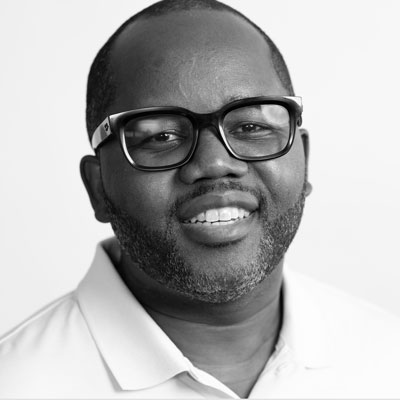
Larry is the Founder and Producer at Mammothic Films, with more than 15 years of production experience. He leads a team that creates story-driven videos for businesses and brands. A marketer, designer, and animator, Larry has overseen the production of more than 1,500 videos for Fujitsu, Logitech, Warner Brothers, NFL, Blockdaemon, Astronomer, Canonical, and 370+ other companies in Canada, the United States, and around the world.
Larry is a devout Christian who believes in placing God first, and that everything else is a blessing that comes from serving Him. When he’s not working, he’s hanging out with his wife and three kids, playing the piano, or sightseeing.
We use cookies to improve your experience on our site.
Manage your cookie preferences below:
Essential cookies enable basic functions and are necessary for the proper function of the website.
