Get an estimate for your video project in less than a minute.

Get an estimate for your video project in less than a minute.
In this article we carefully curated the best nonprofit video production companies in North America. The right video can help a nonprofit explain its mission, raise funds, and move people to act. The companies below all offer video production for non profit organizations, from animated videos to fundraising films.
Alongside the company list, I’ll explain the production decisions worth considering before you commit your budget, from choosing a story to planning the final campaign deliverables.
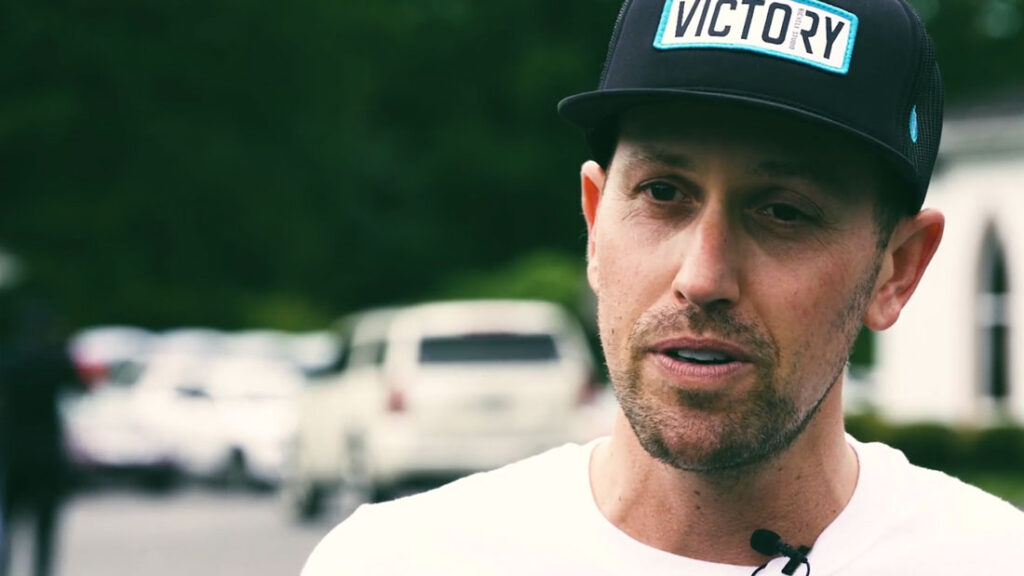
| What are the best nonprofit video production companies? The best nonprofit video production companies include Mammothic Films for full-service nonprofit video, with animation by its sister studio Creamy Animation. Mammothic Films has produced over 100 nonprofit videos in more than 15 years. Storyteller Studios is a strong fit for fundraising films, Two Parrot Productions for international stories and LAI Video for advocacy campaigns. |
The best nonprofit video company depends on what you need to produce. Mammothic Films is our pick for nonprofit videos and full-service production, with animation handled by Creamy Animation, our sister company. Why? Mammothic Films has produced over 100 nonprofit videos in more than 15 years. Two Parrot Productions is a strong fit for international stories, Storyteller Studios for fundraising films, and LAI Video for advocacy campaigns.
Why make nonprofit videos? For me, it’s the joy of partnering with organizations that are making a difference in people’s lives and being able to contribute to that change. That’s priceless.
Some stories can only be captured through the eye of a camera lens, while others are better served with fictional stories or re-enactments. Whichever approach we choose, we always do our best to ensure it delivers the results you need.
In more than 15 years, I've had the privilege of partnering with nonprofits and charities and producing over 100 nonprofit videos. During that time, I've learned a thing or two about what works and what doesn't.With each project, there's always a unique story to tell. Some projects require lights and cameras to capture real conversations and reactions, while others need animated stories to make the strongest impact.
Finding the right nonprofit video production company starts with knowing what the video needs to accomplish. A fundraising film built around a participant’s experience requires a different production approach from an animated video about public policy, healthcare, climate change, or a service that cannot easily be filmed.
For this guide, we looked at 10 video production companies with documented nonprofit work across fundraising, awareness, advocacy, education, animation, documentary filmmaking, and social-impact campaigns. Some focus almost entirely on nonprofit organizations. Others bring a particular production strength, such as animation, donor storytelling, documentary filmmaking, advocacy, or multi-location production.
The goal isn’t to name one company as the right choice for every nonprofit. It’s to help you narrow the field based on the story, production requirements, audience, and communication objective.
This table merges production style, base location or reach, and the project type each company is best suited to, so you can shortlist quickly.
| # | Company | Production style | Location / reach | Best for (project need) |
|---|---|---|---|---|
| 1 | Creamy Animation | Animation | Vancouver, WA | Nonprofit animated videos |
| 2 | Storyteller Studios | Documentary / live action | Springfield, IL | Gala or fundraising films |
| 3 | CaveLight Films | Live action / documentary | Brooklyn, NY | Social-impact fundraising stories |
| 4 | 1708 Media | Documentary / live action | Austin, TX | Ongoing donor storytelling |
| 5 | Early Light Media | Documentary / live action | Baltimore, MD | Documentary-style impact films |
| 6 | Tideway Creative | Live action / documentary | Seattle, WA | Regional appeal & fundraising films |
| 7 | eIMAGE Video Productions | Live action + multi-camera | SF Bay Area, CA | Fundraising, arts & event video |
| 8 | Two Parrot Productions | Live action / documentary | US (multi-city) | Global nonprofit & foundation documentary |
| 9 | LAI Video | Live action + hybrid | Washington, DC | Advocacy & public-interest campaigns |
| 10 | BIGSIX Media | Live action | Toronto, ON | Donor campaigns & annual impact films |
Not every company that has worked with a nonprofit specializes in nonprofit communication.
For this guide, we selected companies with proven work for charities, NGOs, universities, healthcare organizations, associations, and advocacy groups. We also considered their production strengths, including documentary, fundraising, animation, education, advocacy, and live action.
Mammothic Films is our pick for nonprofit animated videos and full-service production, with animation handled by Creamy Animation. The other companies were chosen for different production strengths. The companies are in no particular order.
Creamy Animation is an animated video production company that has partnered with more than 150 nonprofit organizations and charities to deliver compelling videos for fundraising, awareness campaigns, impact videos, and promotional content. Their clients included IISD, Rancho Water, Disability Rights Oregon, YWCA Canada, Caregiver Alliance, World Shipping Council, and more.
Creamy is part of the group of companies under Mammothic that focuses on animated videos. They handle the illustration, motion design, and animated videos for nonprofits, charities, and mission-driven organizations.
Best for: Nonprofit educational video content, awareness campaigns, storytelling, and animated fundraising videos
Production style: Animation
Storyteller Studios builds much of its work around documentary-style fundraising videos. Its projects include gala films, fundraising campaigns, and impact films for organizations across the United States.
The approach centres on real people telling their own stories rather than a scripted overview. For fundraising, one well-developed participant story often carries the message better than six interviews repeating talking points.
Pre-interviews, story development, and documentary editing matter as much as the shoot day.
Best for: Gala videos, fundraising campaigns, mission films, and impact stories centred on real people
Production style: Documentary / live action
CaveLight Films is a non profit film production company that specializes in fundraising and social-impact video. Its productions are built around real stories, participant interviews, and documentary footage rather than scripted messaging.
That works when a nonprofit has a strong story that represents the wider mission. A fundraising film does not need to explain every program. Often the goal is simpler: show the audience why the work matters and give them a reason to support it.
Best for: Mission-driven organizations producing fundraising and social-impact films around participant stories
Production style: Live action / documentary
1708 Media builds nonprofit video around ongoing donor storytelling. Instead of treating a gala or year-end appeal as a one-off, it develops a primary story plus supporting content for the whole fundraising cycle.
That makes better use of interviews and footage already captured. With a distribution plan set in pre-production, one shoot can produce a master film, donor stories, cutdowns, and social clips. The company was founded by former broadcast journalists, which shows in its interview-led approach.
Best for: Donor-funded organizations that need an ongoing content system rather than one annual fundraising film
Production style: Documentary / live action
Early Light Media produces documentary-style nonprofit films built around interviews, observational footage, and location cinematography. Its work spans fundraising, awareness, recruitment, healthcare, and community projects.
Live action is strongest when the environment itself shows the work. It suits nonprofits with real participant stories and access to the locations where the work happens.
Best for: Impact films, recruitment, awareness, and nonprofit stories where people and places are central to the message
Production style: Documentary / live action
Tideway Creative works with nonprofits and impact-driven organizations in the Pacific Northwest. Its work includes fundraising and appeal films, awareness campaigns, and documentary photography across arts, education, civic, and environmental causes.
Regional experience has practical advantages. A local crew cuts travel, simplifies location planning, and adds flexibility when weather, participants, or schedules change.
Best for: Regional fundraising, appeal films, environmental organizations, civic groups, arts, and education
Production style: Live action / documentary
eIMAGE Video Productions works with nonprofits, arts organizations, schools, and community groups across the San Francisco Bay Area. Its services include fundraising films, documentary content, and live-event production.
Event capability sets it apart from the documentary-only companies here. A nonprofit can get the campaign film, live production, multi-camera coverage, and post-event edits under one scope, which simplifies galas and performances.
Best for: Fundraising events, arts organizations, community groups, schools, and Bay Area nonprofits
Production style: Live action, documentary, events, multi-camera production
Two Parrot Productions specializes in video production for nonprofits, foundations, and philanthropic organizations. Its work spans overview films, fundraising content, impact reporting, and annual reports.
The company runs an international production network covering more than 120 countries. For nonprofits working across regions, that reduces the need to coordinate separate crews while keeping creative direction and footage quality consistent.
It also offers accessibility services including captions and ASL. Nonprofit and foundation work is central to its positioning, not a side section of a commercial portfolio.
Best for: Foundations, international nonprofits, philanthropic organizations, and projects requiring production across multiple countries
Production style: Live action, documentary, impact reporting
LAI Video is a non profit video production company in Washington, DC. It works across nonprofit, association, advocacy, education, and public-interest communications. Its services include mission videos, fundraising videos, PSAs, event production, and donor communications.
Its portfolio includes World Food Program USA, National Industries for the Blind, RAINN, and the DC Public Education Fund. Advocacy projects often need more than one master video. LAI is most relevant when video is one part of a broader campaign rollout.
Best for: Advocacy, associations, public policy, fundraising, PSAs, and issue-based campaigns
Production style: Live action, documentary, animation, digital campaigns
BIGSIX Media is a Toronto production company that produces strategy-led, live-action video for nonprofits, foundations, and community organizations.
Its nonprofit work includes annual impact films, donor campaigns and fundraising appeals, event highlights, annual reports, and beneficiary testimonials.
The focus is on interview-led narrative films rather than animation, and it offers both ongoing annual partnerships and project-based work, which fits organizations that want a consistent content system across a fundraising year.
Best for: Established nonprofits investing in ongoing donor campaigns and annual impact films
Production style: Live action
There isn’t one useful price for non profit video production because the scope can vary considerably from one project to another.
A 90-second animated video may involve concept development, script writing, storyboards, custom illustration, animation, voiceover, music, sound design, and final delivery. A documentary fundraising film may require participant research, pre-interviews, multiple shoot days, travel, crew, location filming, editing, colour correction, music, captions, and several campaign versions.
For live-action projects, shoot days, crew size, locations, travel, and production requirements usually have a significant effect on the budget. Filming one executive interview in an office is very different from documenting programs across several locations.
Story development can also affect the scope. With fundraising and documentary work, identifying the right participants, conducting pre-interviews, and developing the narrative before the shoot can be as important as the filming itself.
Post-production varies based on how much footage needs to be reviewed, how complex the edit is, and whether the project includes motion graphics, sound design, captions, localization, or alternate versions.
The number of final deliverables matters too. If the campaign needs a master video, social cutdowns, vertical versions, event playback files, paid-media edits, or captioned versions, those should be included in the production scope before filming begins.
When comparing quotes, compare the production scope rather than just the total price.
A useful way to compare nonprofit video production pricing tiers is to examine what each level of production includes. The examples below describe possible scopes, rather than fixed Mammothic packages.
Before requesting a quote, write down your audience, desired viewer action, available material, budget, and launch date. Those details give a producer a stronger basis for recommending a realistic scope.
Nonprofit video pricing depends on the production scope, but published 2026 pricing guides give useful benchmarks. The ranges below are averaged across several industry guides. Most professional nonprofit video projects fall between about $5,000 and $50,000.
| Nonprofit video type | Typical range |
|---|---|
| Short promo or social video | $1,000 to $5,000 |
| Animated video (60 to 90 seconds) | $4,000 to $12,000 |
| Donor spotlight or feature story | $5,000 to $15,000 |
| Fundraising or campaign film | $5,000 to $20,000 |
| Mission or brand video | $8,000 to $22,000 |
| Event or gala coverage | $5,000 to $20,000 |
| Documentary or impact film | $10,000 to $50,000+ |
These are averaged pricing numbers. Actual costs depend on scope, shoot days, locations, animation complexity, and the number of deliverables.
Sources: pricing ranges averaged from 2026 video production cost guides published by Vidico, 1708 Media, Happy Productions, and Argil.
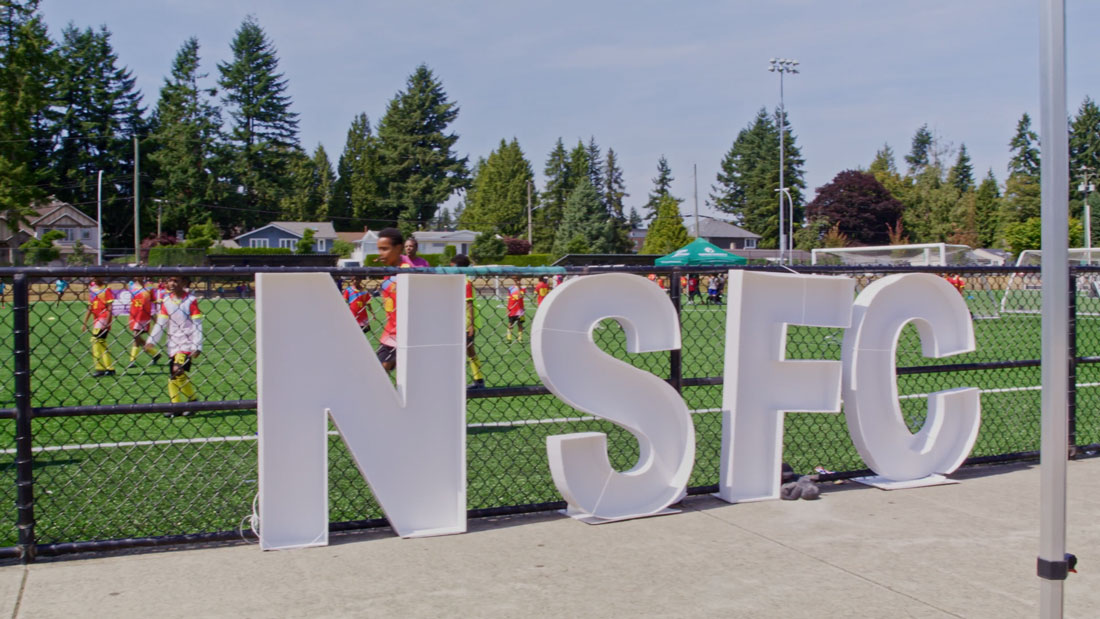
Start with the communication objective and the target audience.
What does the audience need to understand, feel, remember, or do after watching?
If the goal is fundraising, the strongest narrative may come from one participant whose experience demonstrates the real impact of the organization. If you’re explaining a complicated program, policy, or public-interest issue, clarity may matter more than emotional storytelling.
An advocacy campaign may need both: a human story that gives the issue context and supporting information that helps the audience understand what is at stake.
The objective should determine the production approach.
Live action works particularly well when people and places are central to the story.
A participant describing how a program affected their life can carry an emotional weight for viewers that is difficult to reproduce another way. The same applies when donors need to see programs operating, communities being served, volunteers working, or the environment surrounding an issue.
For this type of nonprofit videography, the important work starts before the cameras roll. Participant selection, pre-interviews, story development, interview planning, location scouting, B-roll planning, and production scheduling can all affect what happens during the shoot.
Once production begins, interview direction, cinematography, location sound, and supporting footage give the editor the material needed to build the final narrative during post-production.
If the human experience is the story, live-action production is usually a strong place to start.
Animation solves a different communication problem.
It works well when you need to explain a policy, healthcare process, service, statistic, system, or idea that doesn’t naturally give a camera much to work with.
Animation also gives the production team greater control over what appears on screen. That can be useful when participant privacy, safety, or access makes live-action filming difficult.
Instead of using generic stock footage to represent an abstract subject, a custom visual treatment can use illustration, motion design, diagrams, typography, and visual metaphors to explain the message more precisely.
That makes animation particularly useful for nonprofit videos, education, public-awareness campaigns, healthcare communication, and sensitive subjects.
Our sister studio, Creamy Animation, partnered with YWCA Canada on animated videos for its #BlockHate campaign. The project focused on reaching youth and young adults with stories about online hate and how to respond.
Working with YWCA’s subject specialists, the team developed accessible stories and a visual style that connected with the organization’s existing campaign materials.
The production lesson is to establish the audience and learning objective before choosing the visual treatment. For an educational campaign, the viewer should leave knowing what to recognize and what action to take.
Live action and animation don’t have to be separate approaches.
An interview can establish the human story while motion graphics provide context around it. Statistics can appear alongside documentary footage. A map, diagram, timeline, or animated sequence can explain information that isn’t available from the footage alone.
For some nonprofit campaigns, a hybrid production gives you the credibility of real people and places while still giving you the visual flexibility to explain more complicated information.
We’ve worked on projects that needed both live action and animation.
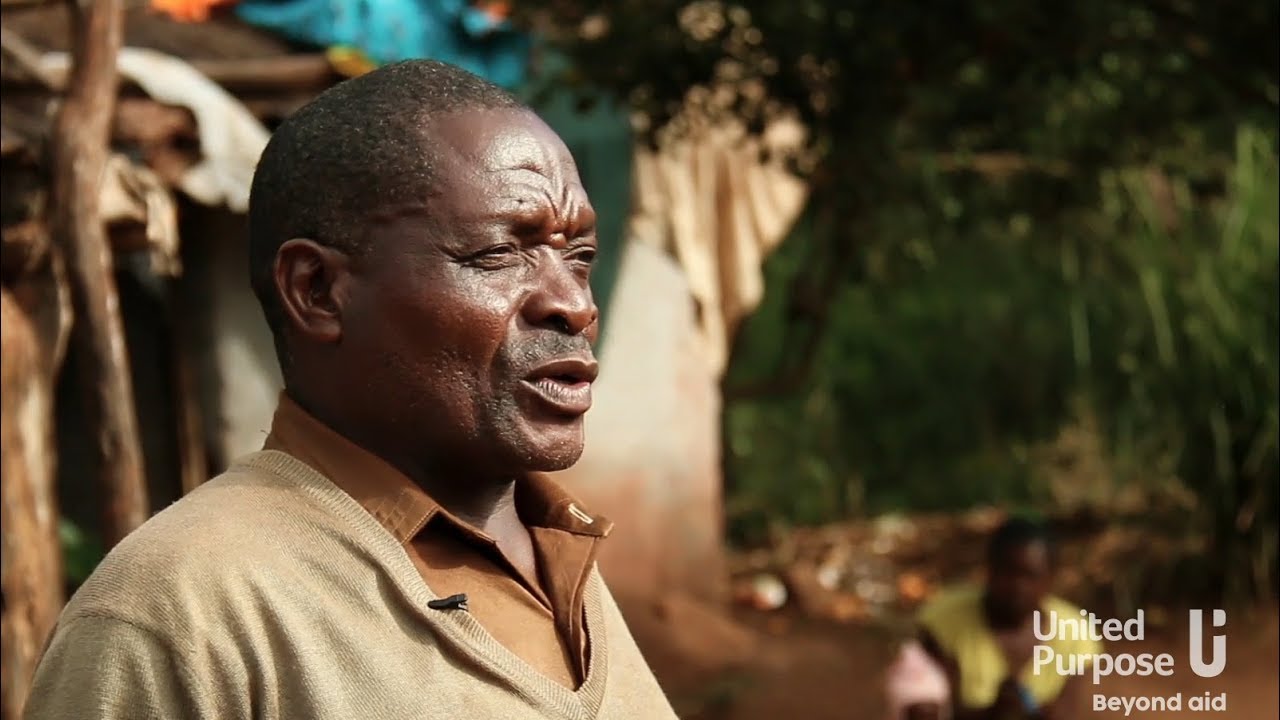
From my experience, a polished reel can show you whether a production company knows how to shoot or animate attractive work.
It doesn’t necessarily tell you whether they know how to develop your story, manage stakeholders, work with sensitive participants, or deliver everything your campaign needs.
Those are the areas I would look at more closely.
Ask to see complete nonprofit videos that have something in common with the project you’re planning.
A reel gives you the best few seconds from dozens of productions. A complete film shows whether the company can develop a narrative, conduct interviews, maintain pacing, combine visuals and sound, communicate information clearly, and carry the story through to the final edit.
The work doesn’t have to be for an organization exactly like yours. What matters is whether the production challenges are comparable.
Ask how much pre-production is included in the scope.
For documentary and fundraising work, that may include participant research, pre-interviews, story development, interview preparation, location planning, creative direction, and shoot scheduling.
For animation, it may include messaging, script development, creative concepts, storyboards, style frames, and visual direction.
Those stages determine much of what happens later in production, so make sure you’re comparing similar scopes when reviewing proposals.
Two companies can quote very different budgets for what initially sounds like the same video.
One proposal may include creative development, a producer, pre-interviews, a full camera and sound crew, two shoot days, licensed music, captions, multiple review cuts, and social cutdowns. Another may cover a single shoot day and one finished edit.
Clarify the master video, review cycles, licensing, raw footage, source files, captions, alternate edits, and any channel-specific versions before choosing based on price.
The lowest quote may simply contain less production.
This becomes particularly important when filming children, patients, survivors, people experiencing hardship, or anyone discussing sensitive personal experiences.
Ask how the production company approaches informed consent, pre-interviews, participant releases, privacy, interview direction, and changes in participant circumstances during production.
This isn’t separate from the creative process. If the story depends on someone’s lived experience, participant care is part of responsible production planning.
Nonprofit projects can involve communications teams, program staff, leadership, funders, legal reviewers, boards, and sometimes the participants appearing in the video.
That can make the review cycle much longer than expected. Agree on who has approval authority and identify the major production milestones before work begins.
The same applies to deliverables. If the campaign needs social cutdowns, vertical edits, event versions, captions, localized versions, or paid-media assets, include them in the production brief.
Planning versioning and distribution requirements early makes it easier to capture the right footage and design the production around how the content will actually be used.
Prepare these five details:
You don’t need a finished creative concept before speaking with a producer. A clear communication problem gives the conversation a useful starting point.
Planning video production for your nonprofit?
Tell Mammothic Films who you need to reach, what you want them to do, and your budget and deadline. We can help you consider live action, animation through Creamy Animation, or a combination of both.
Nonprofit productions sometimes ask people to speak about illness, trauma, disability, discrimination, homelessness, financial hardship, violence, or other highly personal experiences.
Those stories still need structure, but story development should never come at the expense of the person sharing the experience.
Participants should understand why they’re being filmed, where the video may be distributed, how the footage may be used, and whether their identity will be public. During sensitive interviews, they should also feel able to pause, decline a question, or stop the interview.
Interview direction matters here.
The producer still needs to uncover the details that make the story understandable, but the participant shouldn’t be reduced to the most difficult moment in their life simply because it produces a stronger emotional response.
There are also situations where the right production decision is not showing someone at all. Animation, controlled framing, environmental footage, voice treatment, or other creative approaches can preserve privacy while still communicating the subject effectively.
Accessibility should also be addressed during pre-production rather than at the end of the edit.
Captions, transcripts, readable high-contrast typography, audio description, sign-language versions, and localization can influence the production scope, visual treatment, runtime, and final delivery formats.
Most professional non profit video productions take several weeks from the initial creative brief through final delivery, although the production schedule depends on the format and scope.
Documentary projects typically begin with story development, participant selection, pre-interviews, location planning, scheduling, and releases. The actual shoot may only take one or two days, while the pre-production and post-production stages take considerably longer.
Animation follows a different workflow. Script development normally comes first, followed by storyboards, visual direction, design, animation production, voiceover, sound design, review cuts, and final delivery.
One thing that often affects nonprofit production schedules is the approval process.
Communications, leadership, program teams, funders, legal reviewers, or board members may all need to provide feedback. Multiple stakeholder review cycles can add more time than filming or editing.
If the video needs to launch alongside a fundraising campaign, gala, annual meeting, awareness day, grant announcement, or other fixed date, establish the delivery deadline first and build the production schedule backwards from it.
That gives both the production team and your internal reviewers enough time to do the work properly.
A non profit video production can often create more useful campaign content if the distribution plan is considered before production begins.
A documentary shoot planned around one main fundraising film may also provide material for participant success stories, shorter campaign edits, vertical social videos, donor updates, event content, and footage for future communications.
The same principle applies to animation.
Illustrations, characters, diagrams, typography, environments, and other production assets created for the master video may also support shorter cutdowns, social content, website graphics, presentations, and campaign creative.
That doesn’t mean every production needs a large list of deliverables.
It means the producer should understand the intended distribution channels before deciding what needs to be filmed, illustrated, animated, or edited.
When those requirements are built into the production scope, one project can produce a master video and a useful set of supporting campaign assets without trying to retrofit everything after the main edit is finished.
A nonprofit video production company helps mission-driven organizations plan and produce video content for fundraising, advocacy, education, awareness, communications, and campaigns. Depending on the project, the production scope may include creative strategy, concept development, scripting, participant interviews, live-action filming, animation, editing, motion graphics, sound design, captions, localization, and alternate versions.
Fundraising films often work best when one clear story demonstrates the effect of the organization’s work and gives the audience a reason to respond. Live-action documentary production is particularly effective when a participant’s lived experience can carry the narrative. Animation may be more appropriate when the fundraising case depends on explaining a program, issue, process, or statistic that is difficult to capture on camera.
Runtime should follow the communication objective and distribution channel. A short animated video may only need 60 to 90 seconds. A documentary or fundraising film may need several minutes if the story warrants the additional time. A video shown at a gala also has a different audience and viewing environment from a paid-social video or homepage video. Decide what the audience needs from the piece before deciding how long the master video should be.
A freelance non profit videographer can be a good fit when the concept, participants, locations, message, and production plan have already been developed and you primarily need filming and editing. A production company becomes more useful when the project requires story development, producing, creative direction, interview preparation, multiple crew members, animation, extensive post-production, stakeholder reviews, or several campaign deliverables.
Allow several weeks for most professional projects. Productions involving several participants, locations, travel, complex stakeholder approvals, animation, or multiple deliverables may require longer. If your organization has a fixed launch, campaign, event, or fundraising date, give the production company that date during the initial scope discussion so the production schedule can be built around it.
Some do, but pricing usually depends more on production scope than organization type. Rather than asking only about a discount, share the available budget and what the project needs to accomplish. An experienced producer should be able to explain what production approach is realistic within that budget and where the scope can be adjusted without undermining the communication objective.
There isn’t one nonprofit video production company that will be right for every organization or project. Start with the communication objective and the story you have available.
If real people, lived experiences, and the places where your organization works are what make the story compelling, look closely at companies with documentary, interview, and location-production experience. If the challenge is explaining a program, policy, process, statistic, service, or sensitive subject that doesn’t translate naturally to footage, animation may give you more control over the visual narrative.
The best fit is the production team whose creative and production approach makes the most sense for the story you need to tell and how the final content will be used.
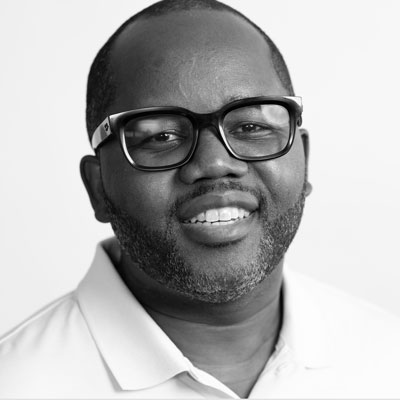
Larry is the Founder and Producer at Mammothic Films, with more than 15 years of production experience. He leads a team that creates story-driven videos for businesses and brands. A marketer, designer, and animator, Larry has overseen the production of more than 1,500 videos for Fujitsu, Logitech, Warner Brothers, NFL, Blockdaemon, Astronomer, Canonical, and 370+ other companies in Canada, the United States, and around the world.
We use cookies to improve your experience on our site.
Manage your cookie preferences below:
Essential cookies enable basic functions and are necessary for the proper function of the website.
