Updated: August 25, 2026
Quick answer: a cartoon videographer creates animated cartoon videos, usually for marketing, explaining a product, or training. A custom cartoon video takes about two to six weeks to make. What it costs depends on the length and how custom the animation is.
What Is a Cartoon Video?
A cartoon video is an animated video built from illustrated characters and scenes rather than filmed footage. It is drawn, designed, and brought to life frame by frame. Businesses use cartoon video to explain a product, sell an idea, train a team, or tell a brand story in a way that live footage cannot.
How It Differs From Live-Action Video
Live-action video is filmed with a camera. Cartoon video is illustrated, so it is not limited by what you can physically shoot. You can show an abstract idea, an invisible process, or a character that does not exist. That freedom is the main reason brands choose cartoon over film for certain messages.
Who This Cartoon Video Guide Is For
This guide is for anyone planning a cartoon video and trying to get it right the first time. That includes founders who need to explain a product, marketing teams planning a campaign, and business owners who want a branded story their audience will remember. If you are deciding between hiring a freelancer and hiring a studio, this will help you choose.
The Main Types of Cartoon Videos
There are a few core cartoon video types we get asked for most.
- Cartoon explainer video: explains a product or service in 60 to 90 seconds. The most common commercial cartoon format.
- Brand and marketing video: a branded cartoon story made for ads, social, and campaigns.
- Product demo: shows how something works when filming it would be difficult or dull.
- Training and how-to video: turns a process or a policy into something people actually watch.
- Social media cartoons: short, punchy clips built for feeds.
Cartoon Videos From Our Portfolio
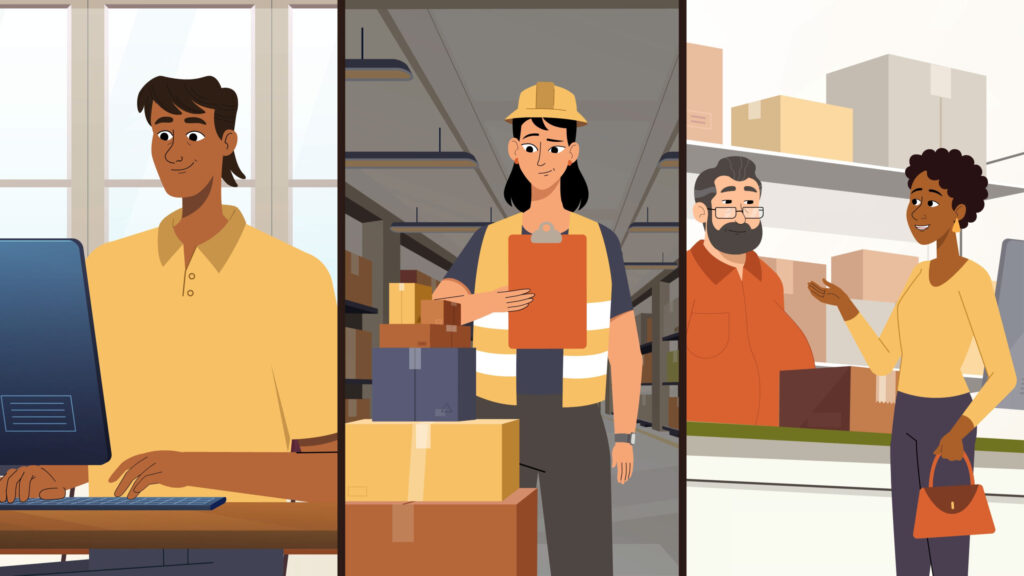
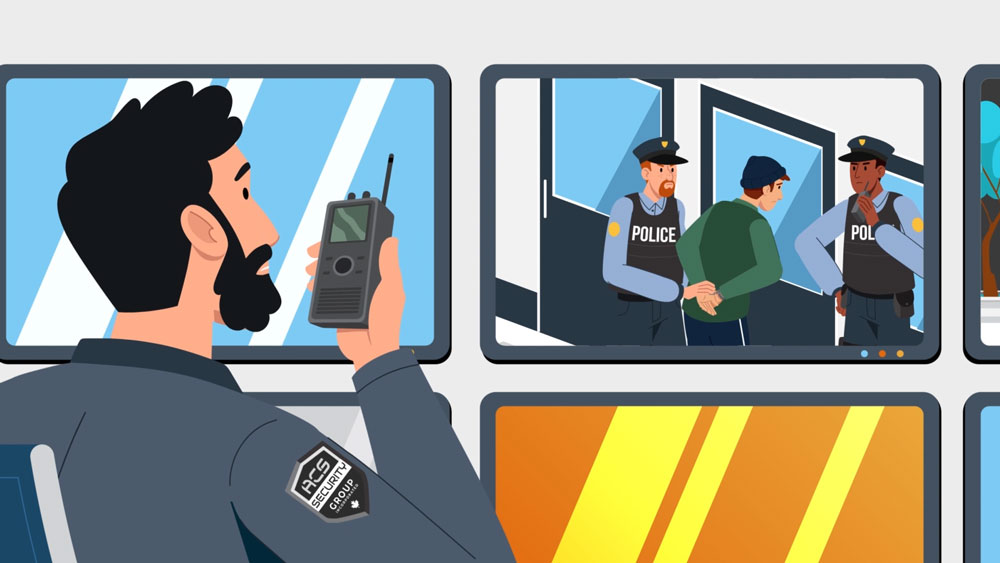
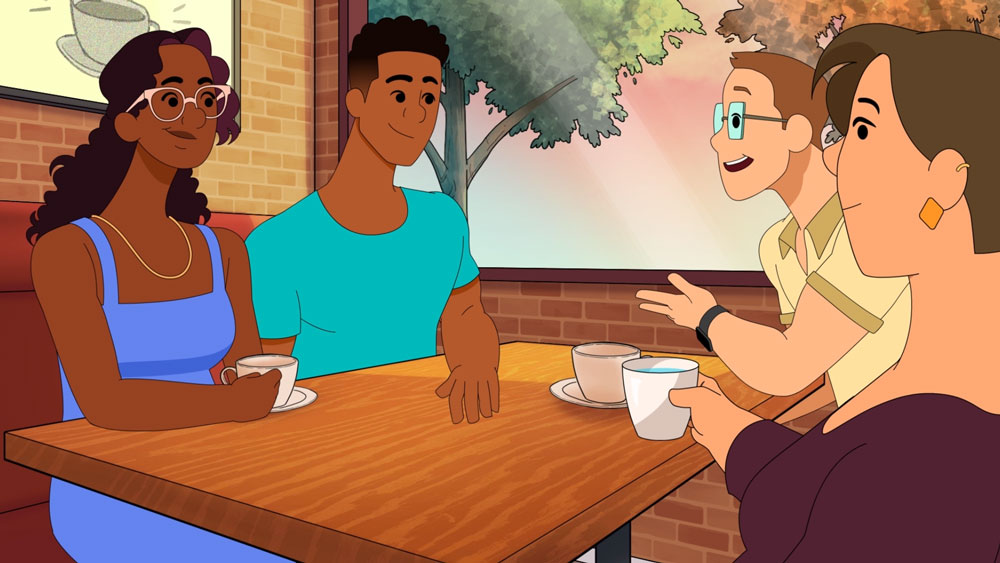
Here are a few cartoon videos we have made for brands across BC and beyond.
The Cartoon Video Production Process, Step by Step
A cartoon video is built in stages. Each stage has to be approved before the next one starts, which is what keeps the project on budget.
- Script and message: the story and the words come first. Everything animates to the script.
- Storyboard: a frame-by-frame sketch of how the video looks and moves. You approve the direction here, before any expensive animation begins.
- Illustration and character design: the style, the characters, and the scenes are drawn to match your brand.
- Animation: the illustrations are set in motion. This is the slow, skilled stage, and it is where most of the cost sits.
- Voiceover, music, and sound: a professional voice, a soundtrack, and sound effects finish the video.
- Revisions and delivery: you review the draft, request changes within the agreed rounds, and receive the final files.
How We Turn Your Idea Into a Cartoon Video
We start with your message, not your visuals. Once the script is right, everything else follows it. Here is how each stage moves your idea toward a finished video.
| Stage | What happens | Why it matters |
|---|
| Brief | We agree the message, the audience, and the length | The whole video is built to do one job well |
| Script | We write the story and the words | A weak script cannot be saved by good animation |
| Storyboard | We sketch every scene before animating | You catch changes while they are cheap to make |
| Illustration | We design characters and scenes for your brand | This is what makes the video look custom, not templated |
| Animation | We bring the illustrations to life | Smooth movement is what separates good from cheap |
| Sound | We add voiceover, music, and effects | Sound is half of how a video feels |
What Makes a Cartoon Video Effective
One clear message beats five clever ideas. The best cartoon videos say one thing and say it well. Effective cartoon video also matches the brand, so the characters and colours feel like you, not like a stock template. And it moves cleanly, because jerky, cheap animation undoes good ideas. Finally, it earns attention in the first five seconds, because that is all you get before a viewer decides to keep watching.
How Long Should a Cartoon Video Be?
For most commercial cartoon video, 60 to 90 seconds is the sweet spot. It is long enough to explain the idea and short enough to hold attention. Social clips can be much shorter, often 15 to 30 seconds. If you need longer than two minutes, it is usually a sign the video is trying to do more than one job, and it is worth splitting into two.
How Long Does Production Take?
A custom cartoon video usually takes two to six weeks. Simple videos with a tight script move faster. Detailed character work and longer runtimes take longer. The script and storyboard stages are where timelines slip most, because that is where decisions get made, so approving them quickly keeps the whole project on track.
What Affects the Cost?
Cost depends on the length, the style, how much custom illustration is involved, the number of revision rounds, and whether you need professional voiceover.
A short, simple cartoon video costs less than a longer piece with fully custom characters and detailed animation. Final pricing comes down to the brief, so the best way to get a real number is to tell us what you have in mind.
How to Hire a Cartoon Videographer
- Look at the portfolio first, and watch the animation move. Stills hide cheap, jerky movement, so ask to see full videos in the style you want.
- Check that one team owns the full process. Script, storyboard, illustration, animation, and sound should be handled together, not scattered across strangers.
- Agree the number of revision rounds in writing. Surprise revision fees are the most common way a cartoon video goes over budget.
- Confirm who owns the final files. You should own the finished video. Ask whether the source files cost extra.
Cartoon Video FAQs
Why Our Cartoon Videos Hit Different
We keep one team on the whole job, from the first script to the final frame. Nothing gets handed to a stranger halfway through, so the story, the characters, and the animation all pull in the same direction. That is also why the work looks custom instead of templated. When a project calls for full studio animation, we run it through the
2D animation services at Creamy Animation, the animation arm behind our cartoon work.


 By
Larry Mutenda
By
Larry Mutenda