Get an estimate for your video project in less than a minute.

Get an estimate for your video project in less than a minute.
Animated music videos give artists control over worlds, characters and visual changes that would be difficult to film. Some combine animation with a recorded performance. Others build the entire visual around the song. This selection looks at different approaches and the production lessons they suggest. It also explains how to plan a music video and what to ask a studio before commissioning one.
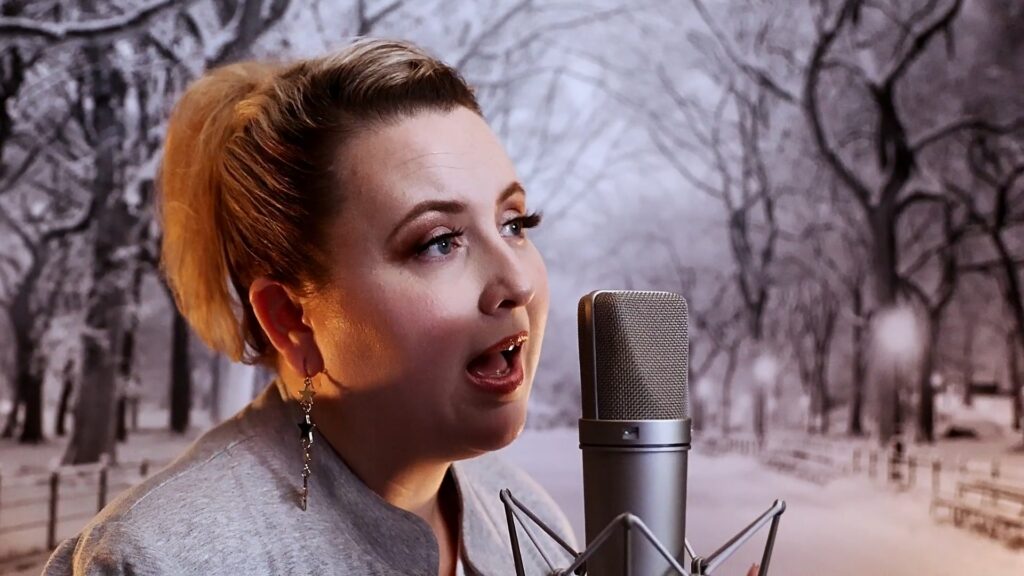

| What are the best animated music videos? The best animated music videos include Take On Me, Sledgehammer and my future. These examples use different visual approaches to connect image and music. A useful reference helps define the mood and production method you need. It should guide an original concept rather than invite a copy. |
Animated music videos use different methods. The year below refers to the video version rather than a later upload.
| Song | Artist | Year | Style |
|---|---|---|---|
| Take On Me | a-ha | 1985 | Live action and drawn animation |
| Sledgehammer | Peter Gabriel | 1986 | Stop motion and mixed techniques |
| Feel Good Inc. | Gorillaz | 2005 | Animated performance and environments |
| Money for Nothing | Dire Straits | 1985 | Early computer animation |
| Californication | Red Hot Chili Peppers | 2000 | Game-like 3D animation and live action |
| my future | Billie Eilish | 2020 | Drawn animated world |
| Let Me Be Great | Sampa The Great | 2022 | Live performance within a CGI world |
| Celestial | Ed Sheeran | 2022 | Live action and animation |
| Fell in Love with a Girl | The White Stripes | 2002 | LEGO stop motion |
| I Did It | Paulette Nnorom | N/A | Animated music video by Creamy Animation |
When watching an animated music video, pay attention to how the visuals respond to the structure of the song. Some cuts follow the beat; others hold through a phrase or change direction when the mood shifts. The strongest references can help you discuss pacing, visual treatment and the amount of animation a project needs. For production planning, settle the version of the track early. Changes to the arrangement can affect timing across the entire video.
We chose these videos as references you can learn from when planning an animated music video. We looked at four things.
This is an editorial shortlist, not paid placement.
Here is each video, how it was made and what it teaches about planning your own.
Take On Me combines recorded footage with pencil-drawn animation. The transition between the two gives the visual a clear organizing idea. It is a useful reference for deciding how different image treatments can belong to the same story.
The production lesson is continuity. Viewers need to recognize a character and action as the visual method changes. When planning a mixed treatment, decide which details remain consistent. Our rotoscoping guide explains the method of drawing from recorded movement. A reference should inform the approach without supplying a scene to reproduce.
Sledgehammer uses stop motion and other animation techniques around its performance. Its varied transformations make it a useful reference for the relationship between a physical image and musical timing.
The practical lesson is to plan transitions as part of the concept. A sequence of unrelated effects can become a demonstration reel. The actions need a shared visual direction and a reason to change when they do. Our claymation guide covers one related production method.
Feel Good Inc. uses animated characters and environments as part of its visual presentation. It is a reference for building a coherent identity around figures that can recur beyond one shot.
The production lesson is consistency. A character’s shape and behaviour should remain recognizable when the setting changes. Plan how much information each shot needs rather than relying on detail alone. If a music project uses an established character, confirm the approved design and its permitted range of expression before producing new scenes.
Money for Nothing used early computer animation to create two characters who appear beside live concert footage. The blocky figures looked new in 1985 and gave the video a memorable identity. It is a useful reference for how a simple 3D character can carry a whole concept.
Californication combines a game-like animated setting with recorded performance. It is a useful reference for a concept that establishes rules for the world of the video.
The planning lesson is to make those rules legible. Viewers should understand how an action connects to the next visual rather than simply watch a series of digital environments. When a concept borrows the appearance of an interactive experience, decide what information needs to be visible in a fixed film. The viewer cannot explore the scene independently.
my future presents the song through an animated world. It is a useful reference for a visual treatment that gives atmosphere and a character room to carry the sequence.
The production lesson is restraint. Not every musical moment needs a separate visual event. A consistent setting can make a small change meaningful when it arrives. Plan the emotional pace across the full track.
Let Me Be Great places performance within a digitally created visual world. It is a reference for combining the artist’s presence with imagery that does not depend on a physical set.
The practical lesson is integration. Decide how the performer and the designed environment should relate before production. Light and framing need a shared direction. A concept should explain why the combination serves the song. Review the complete sequence rather than judging the digital setting separately from the performance it surrounds.
Celestial combines live action with animated imagery. It is a reference for moving between everyday performance and an imagined visual treatment. The transition needs a clear relationship to what viewers have already seen.
The production lesson is to plan the connection before recording footage. Confirm where the performer looks and how objects enter the scene. Leaving those choices unresolved can make the animation harder to integrate. Comparing types of music videos can help decide whether a mixed production is the right approach for a song.
Fell in Love with a Girl is built from LEGO bricks, shot frame by frame by director Michel Gondry. The band appears as blocky moving figures that match the raw energy of the song. It is a useful reference for a single strong material idea.
Creamy Animation made this animated music video for Paulette Nnorom’s I Did It. It shows how a studio known for business animation can also tell a personal story through a song.
A music animated video gets made by planning a visual sequence around an approved track and then producing the required scenes.
Confirm the final delivery versions and review the complete export.
Choose animated music video services by testing the team’s fit for the concept and the production scope. Ask for relevant work and clear responsibility for the stages involved. Review how the team handled a comparable scene.
Confirm what you receive at concept, storyboard and animation review. Ask who handles artwork and how music timing changes affect the schedule. Resolve the rights to characters and editable assets before the agreement is final.
Explain the intended release settings and any shorter versions you need. A studio should be able to describe the production decisions behind its proposal. A broad showreel alone may not demonstrate the technique your concept requires.
The answer depends on how you define a music video. Animated shorts set to popular songs go back to the 1930s, long before music television. Take On Me from 1985 is one of the earliest animated music videos many viewers remember. Money for Nothing from the same year is another early example. Each one showed how animation could give a song its own visual world.
Music video animation time depends on the track length, visual method and number of distinct scenes. Custom character work requires different preparation from adapting an existing design system. Supply the final song before asking for a schedule. Confirm the review stages and release versions. A change to the track after timing approval may affect many scenes. Ask for a project-specific plan instead of a universal time estimate.
Artists choose animation when a designed world or controlled visual transformation suits the song. It can support a character-led story or a more abstract relationship between image and sound. The choice should come from the concept. Animation does not automatically make a song more memorable. Compare the visual requirement with a filmed approach and choose the method that can express the intended sequence reliably.
The best style for an animation music video is one that supports the song’s visual concept and can be produced within the scope. Test representative scenes before approving a full treatment. Consider whether the track needs atmosphere, performance or frequent changes. A consistent simple approach can work better than several unrelated styles. The viewing context and the release formats should also shape the choice.
A lyric video can use animated words and supporting visuals. The text needs enough screen time to be read and should follow the approved song version. Check spelling and line breaks before detailed movement. A title treatment that looks good with sample text may not fit the real lyrics. Plan the reading order and review the complete sequence with the audio rather than approving isolated frames.
Cost depends on length, style and how much animation each shot needs. A lyric video with animated type takes far less work than a fully animated story with characters. Share the track, a rough idea and your deadline to get a realistic quote.
Yes. Take On Me and Celestial both do it. Plan which shots are filmed and which are animated before the shoot. That way the footage is framed and lit to match the animation.
The final track, the lyrics, any visual references and a sense of the story or mood. Lock the edit of the song before animation starts. Changes to the arrangement shift the timing of every shot.
They can. Plan short cutdowns and vertical versions while the video is being designed. Pull a few strong moments that make sense without the full song.
Use music-video references to define a visual direction and a production problem. Plan around the final track and review the full timing before detailed animation. The strongest concept gives image and music a clear relationship. It should remain original while using the reference to explain a method, mood or practical requirement the team can discuss.
Related Articles

Larry is the Founder and Producer at Mammothic Films, with more than 15 years of production experience. He leads a team that creates story-driven videos for businesses and brands. A marketer, designer, and animator, Larry has overseen the production of more than 1,500 videos for Fujitsu, Logitech, Warner Brothers, NFL, Blockdaemon, Astronomer, Canonical, and 370+ other companies in Canada, the United States, and around the world.
We use cookies to improve your experience on our site.
Manage your cookie preferences below:
Essential cookies enable basic functions and are necessary for the proper function of the website.
