Get an estimate for your video project in less than a minute.

Get an estimate for your video project in less than a minute.
There are many different types of animation styles, and the one you choose shapes how your story looks, feels, and lands with your audience. This guide breaks down the 18 most popular animation styles used in marketing, advertising, and entertainment. I define what each style is, where it works best, and how to choose the right one for your project.
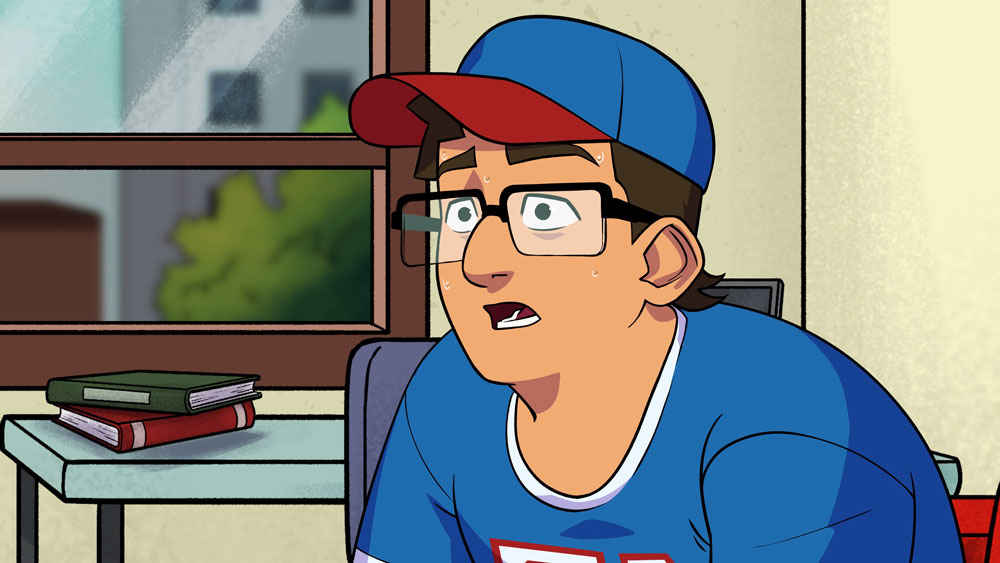
| What are the main types of animation styles? The main types of animation styles are traditional hand-drawn, 2D, motion graphics, 3D, stop motion, whiteboard, claymation, animation with live action, cutout, kinetic typography and anime. Other styles include vector, rotoscope, cel-shaded, pixilation, sand, pixel art and mixed media. Each has its own look, production method and best use case. |
The main types of animation styles are: traditional (cel/hand-drawn), 2D animation styles, motion graphics, 3D animation styles, stop motion, whiteboard, claymation, live-action hybrid, cutout, kinetic typography, anime, vector, rotoscope, cel-shaded, pixilation, sand, pixel art, and mixed media. Each style has its own look, production method, and ideal use case. See the quick comparison table.
Animation style changes how a story feels, how it flows, and what people actually remember afterwards. Some styles are drawn by hand. Some are built digitally. Others use clay, paper, or a mix of live footage and animation, reflecting a shift from traditional methods to modern workflows in the digital age. Each one gives the story a different kind of energy.
Once you understand the different types of animation, it becomes much easier to see what you can actually do with them when creating animation and choosing the right style. The main animation styles include traditional 2D, 3D CGI, stop motion, and motion graphics, and each comes with its own production workflow and trade-offs.
Every style has its own personality, strengths, and limitations. That’s important when you’re creating animated content for marketing, business communication, or entertainment, because the style you choose affects how the message comes across. These techniques are used across animation genres such as comedy, drama and fantasy, and across formats such as ads, training videos and brand films.
In this guide, I’ll walk you through the most common animation styles, how they work, and where they tend to work best. The goal is to give you a practical sense of what each style is good at, so you can choose one that fits your story.
I’ve produced many of these styles commercially and researched the others for this guide. I focused on the most popular animation styles, the ones you’re most likely to use on a personal or paid project. This is not a complete taxonomy; animation also includes many historical, regional and hybrid approaches beyond this list.
Different animation styles are suited to different types of stories, audiences, and communication goals. Some styles are better for explaining products and processes, while others are more effective for character-based storytelling, technical demonstrations, advertising, and others for educational video content.
| Animation Style | Best For | Main Strength |
|---|---|---|
| Traditional Animation | Character films, brand stories, artistic projects | Expressive, handcrafted storytelling |
| 2D Animation | Marketing videos, training, brand stories | Clear, relatable communication |
| Motion Graphics | SaaS, data, product features | Simplifies complex information |
| 3D Animation | Products, architecture, technical visuals | Realistic depth and detail |
| Stop Motion | Ads, social content, product campaigns | Distinctive handmade appearance |
| Whiteboard Animation | Training, onboarding, complex topics | Step-by-step explanation |
| Claymation | Children’s content, ads, character stories | Playful visual personality |
| Live Action with Animation | Brand videos, ads, demonstrations | Combines realism and explanation |
| Cutout Animation | Short videos, satire, smaller productions | Simple, distinctive visual style |
| Kinetic Typography | Promotions, social ads, conference openers | Highlights key messages |
| Anime Animation | Advertising, youth content, expressive stories | Strong emotional visual style |
| Vector Animation | Apps, web content, UI animation | Scalable, adaptable graphics |
| Rotoscope Animation | Music videos, stylized ads, film sequences | Lifelike motion traced from life |
| Cel-Shaded Animation | Games, stylized brand films, trailers | 2D cartoon look with 3D depth |
| Pixilation | Music videos, title sequences, social shorts | Surreal live-action stop motion |
| Sand Animation | Emotional brand films, cause campaigns, live shows | Warm, hand-crafted storytelling |
| Pixel Art Animation | Games, retro brands, social content | Nostalgic, crafted pixel look |
| Mixed Media Animation | Campaigns, brand films, short films | Combines multiple visual techniques |

Picking a style is easier than most people make it out to be. When a client asks me where to start, I walk them through the same four questions every time.
The first thing I ask is simple: what’s this video actually for? A product video, a brand story, and a quick social ad all want different things, and once you’re clear on the job, the style kind of picks itself. If you’re trying to make something complicated feel simple, I’d lean toward 2D or motion graphics. If you want people to actually feel something, that’s where traditional, stop motion, or 3D character work earns its keep.
Next, think about who’s actually watching, and whether the style fits your brand. Match the style to the brand, subject and viewing context rather than assuming a demographic prefers one technique. Use audience research, existing brand assets and reference work to guide the choice. Either way, I try to keep it in step with your brand’s colors and personality so the video feels like you, and not some random detour.
Where the video is going to live matters more than people expect. A looping clip on Instagram, a hero video on your homepage, something playing on a screen at a trade show, a full product video on YouTube: they’re really not the same ask. For short, scroll-past, sound-off stuff, kinetic typography and motion graphics do the heavy lifting. For longer videos people actually sit down to watch, that’s when richer 3D or story-driven 2D pays off.
And then there’s the less glamorous part: budget and time. Detailed stop motion, hand-drawn and 3D work can require more labour than a simple vector or whiteboard production, but the final cost depends on asset count, design detail, runtime, revisions and animation technique. I always tell people to be honest about scope early, because that’s usually what keeps a project from getting stuck halfway through.
In this animation list, I’ve pulled together the most popular styles of animation used across marketing, advertising, television, and film.
Traditional animation is where it all started. It’s created by drawing each frame by hand, one image at a time, which requires strong drawing skills, then playing those drawings back in sequence to create movement and early moving pictures. It takes a lot of time and precision, but when it’s done well, it has a warmth and expressiveness that’s hard to match.
This animation style began in the late 19th century, where Emil Reynaud demonstrated moving drawings in 1877. Traditional animators also relied on core principles such as timing, squash and stretch, and anticipation to make movement feel believable. Wes Anderson’s ‘Isle of Dogs’ used stop motion animation techniques.
Traditional animation, often called cel animation, is the hand-crafted approach behind many of the most famous animated films ever made. The style gained popularity through Walt Disney’s influential work, and classics like Snow White, Pinocchio, and Bambi were produced by drawing movement frame by frame, with painted cels photographed against detailed background art.
If you’re middle-aged or older, like me, and you mention cartoon animation styles, you know we’re talking Tom and Jerry, Bugs Bunny, Looney Tunes, and the like. (chuckle)
Part of what makes this style so memorable is the life in the drawings. It has an organic, human quality that gives characters more charm and emotional texture. Digital animation may be faster and more flexible, with modern workflows using digital rigging to replace some manual steps unlike traditional methods, but hand-drawn animation shaped the visual language that modern animation still builds on today.
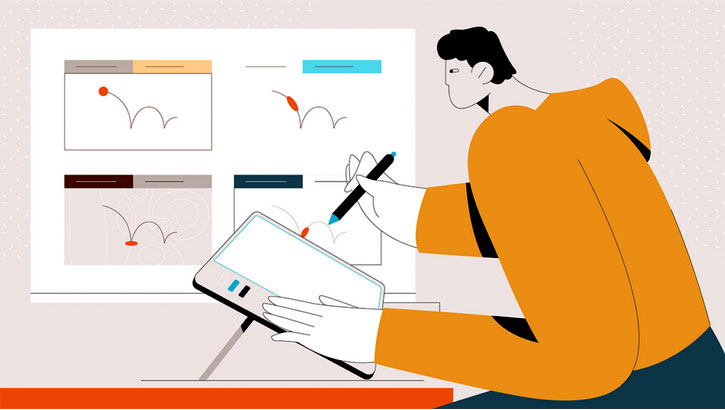
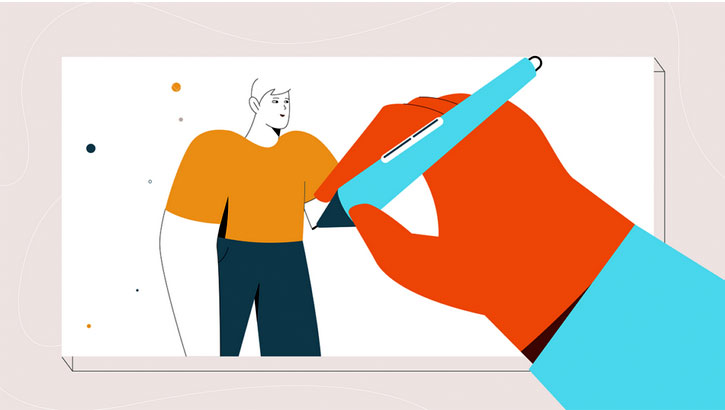
Traditional animation has gone digital and is now produced on tablets.
Traditional animation can help brands create an emotional connection and give their story a distinctive visual identity. Its hand-drawn movement and expressive characters make it well suited to memorable brand films, purpose-led campaigns, and stories where personality and emotion matter.
Storytelling Ad for TVFCU
Traditional animation is best for character-led films and story-driven projects that need warmth, personality, and emotional expression. It works particularly well when character performance is central to the story.
2D animation is the digital evolution of classic flat animation. Instead of working with paper drawings and photographing each frame, artists build and animate everything on screen in a two-dimensional space using animation software like Adobe Animate or Toon Boom Harmony. Modern 2D production can follow different pipelines: frame-by-frame digital animation still draws successive poses and in-betweens on a tablet, while cutout and rigged 2D uses reusable character parts, bones or controls and keyframes, where software can generate some in-between frames. Many commercial projects combine both approaches. There are several types of 2D animation styles, from frame-by-frame and rigged character animation styles to vector and cutout, but they all share the same flat, two-dimensional look.
This style shows up everywhere because it works. You’ll see it in marketing videos, training content, app videos, and social media campaigns where clarity matters. The visuals are clean, approachable, and flexible, which makes 2D animation a strong fit for brands that need to communicate ideas in a simple, engaging way.
What makes 2D animation so practical is that it keeps the charm of drawn artwork while making production far more efficient. Assets can be reused, edits are easier to make, and movement can be adjusted without rebuilding the whole scene.
For businesses weighing this style, professional 2D animation services typically cover everything from script and character design to final delivery.
That gives businesses a way to create polished animated videos without the cost and complexity of more intensive styles, and the same approach is widely used in mobile games.
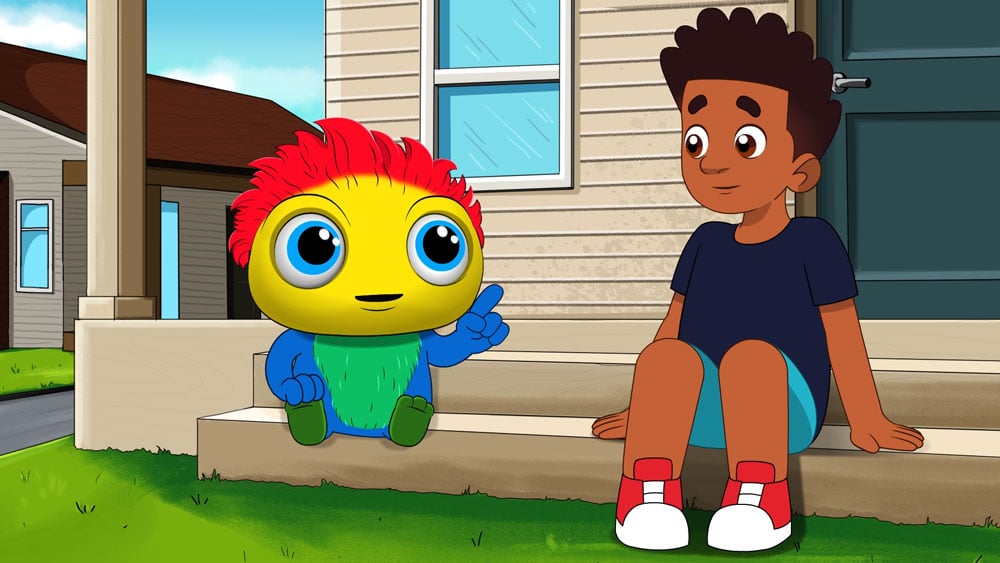
2D animation helps brands explain ideas clearly while keeping the visuals approachable and engaging. 2D animation is useful when characters, icons and simplified scenes can explain the message more clearly than filmed footage.
Just like animated movies, 2D animated stories can turn your brand into an engaging and memorable video.
Characters, icons, and custom scenes can make complex products easier to understand, strengthen brand recognition, and help viewers connect with the message.
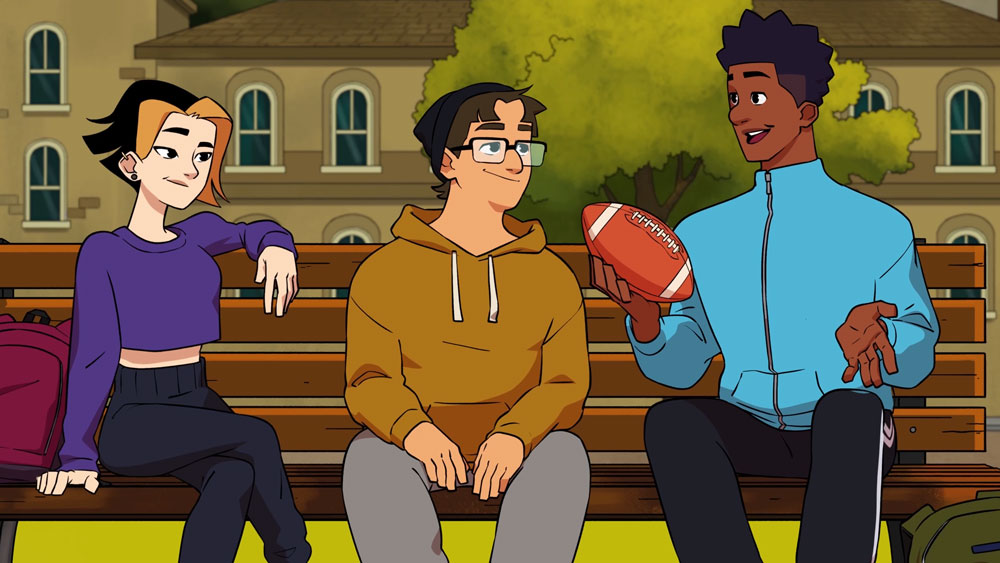
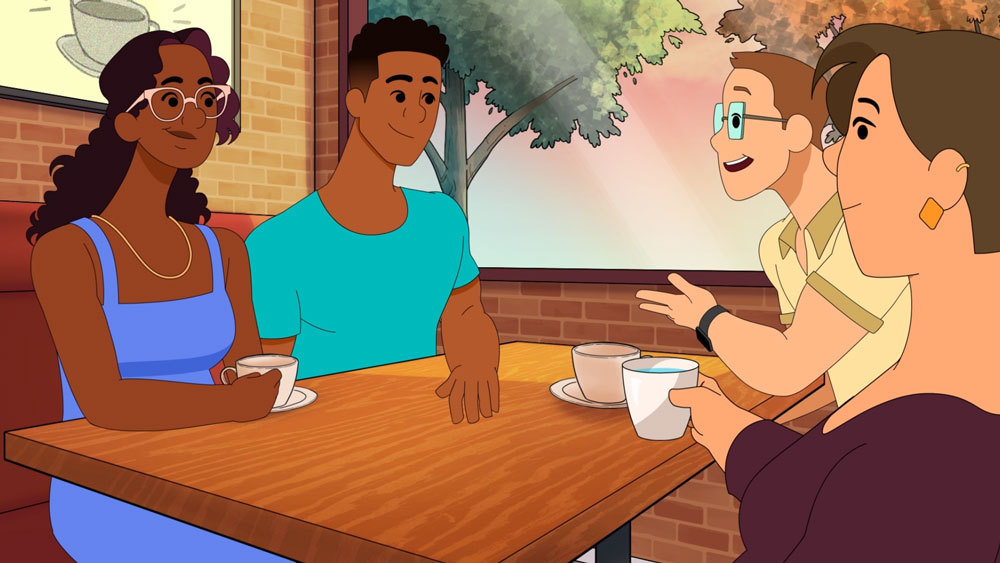
In the 2D animation video below, we help tell the story of a caregiver’s journey and how Caregiver.org helps people navigate their caregiving journey by providing the resources they need.
2D animation is best for marketing videos, product demonstrations, training content, video ads, brand stories, and internal communications. Its relatable characters and flexible visuals make complex messages easier to understand.
Here are a few of the 2D animation videos we’ve produced over the years.
YOUR IDEAS DESERVE TO COME TO LIFE
Motion graphics are a blend of animation and graphic design. They come in different styles, including text-led work like kinetic typography and branding assets such as animated logos.
Rather than using characters or detailed scenes to carry the message, they rely on text, icons, shapes, charts, and interface elements to explain complex concepts clearly. You’ll often see this style in film and TV title sequences, animated infographics, UI demos, commercials, and branded content.
Like other animation studios, we use motion graphics animation in a lot of our client projects because they’re one of the most effective ways to help captivate audiences while explaining a business clearly. They’re especially useful for showing data, breaking down processes, and highlighting product features in a way that feels polished and easy to follow. For brands that need to simplify a complex message, this style does that really well.
Another reason it works so well is its flexibility. Motion graphics can be adapted for social media, websites, presentations, and larger screen formats without losing their impact. If you need a clean, engaging way to tell a story without leaning on characters, this is often the strongest option. It’s a style we regularly use across SaaS videos, marketing videos, and corporate content.
Motion graphics are best for SaaS videos, product demos, animated presentations, social ads, campaign content, and corporate videos. They are particularly effective for explaining data, processes, product features, and abstract ideas.
Below is one of the motion graphics videos created by our sister studio, Creamy Animation, one of the top animation companies in the US, Canada, and around the world.
Copilot AI
In this motion graphics video, we wanted AI prospecting to feel useful and human. Picking one person from a crowd makes the idea easy to grasp. Motion graphics let us show that moment without relying on a software demo.
Accelerate ZEV
Canada’s zero-emission industry has a lot of moving parts, so we built the story around how they connect. As those pieces come together, Accelerate’s role becomes clear.
Dr. Bill by RBC Bank
We started with something doctors care about: more time with patients. In this video, each solution connects back to that benefit. The 97% claims-paid figure gives the promise a solid proof point.
Astronomer
Technical buyers want to know quickly whether a product will work with their setup. We used familiar cloud logos to answer that question at a glance. Using motion graphics can sometimes keep the explanation quick and easy to follow.
Small Business BC
We wanted accessibility to feel relevant to everyday life. Starting with familiar situations helps viewers recognize barriers for themselves. That makes the five types of barriers easier to understand and remember.

3D animation styles give you depth, volume, and a more realistic sense of space. Instead of drawing every frame, artists build digital models of characters, objects, and environments, then animate them inside a 3D scene.
Because those models can be lit, textured, and moved like real objects, the final result often feels more dimensional and true to life. There are several types of 3D animation styles, from photorealistic CGI to stylized and cel-shaded looks, but all of them build motion from digital models rather than drawings.
3D animation is used in all kinds of media, such as animated films, video games, architectural visualizations, and product visuals for marketing. It’s what makes it possible to show a character moving through a detailed world or to present a product from every angle with smooth, controlled motion, or to create stylized animated sequences.
It’s one of the most popular animation styles in children’s shows and feature films. With 3D animation, the same character model can be used again and again without being redrawn for every shot. When a project calls for realism, flexibility, and a polished visual finish, 3D animation is usually a strong option.
3D animation is also great for product visualization, architectural projects, technical demonstrations, films, video games, and children’s content. It is a strong choice when viewers need to see realistic depth, movement, or an object from different angles.
We produced this animated video in a 3D animation style. The video shines in its ability to deliver a visually captivating story with near-realistic scenarios that would be difficult or expensive to capture convincingly in live action.
Stop motion animation works in a completely different way from most other styles. Instead of creating movement with drawings or digital rigs, animators photograph physical objects one frame at a time, carefully positioning puppets, clay, paper, or other objects to create realistic movement before each shot. Played back in sequence, those still images create motion.
One of the interesting things about stop motion is how many materials it can use. Clay, paper, puppets, found objects, and even real people can all become part of the animation. These stop motion animation styles, including puppet animation, object animation, claymation, and pixilation, all fall under the same umbrella. Movies such as Coraline, Shaun the Sheep, and Fantastic Mr. Fox are great examples of stop motion animation.
What makes stop motion stand out is its physical, handmade feel. You can actually see the textures, surfaces, and little imperfections in each frame, and that gives the work a lot of character.
Brands often use it in short ads and social content when they want something that feels creative, crafted, and visually unlike standard digital animation.
Stop motion is best for short ads, social media videos, and creative product campaigns. Its physical materials and handmade appearance can help content look different from standard digital animation.
Whiteboard animation is an animation technique that reveals hand-drawn visuals on a white board over time. The illustrations appear as if they’re being drawn by hand, often synced with a voiceover.
Whiteboard animation reveals drawings and text progressively, which gives the explanation a built-in visual sequence. Use that reveal to pace the narration and focus attention on one idea at a time. The style became widely used for animated videos in the early 2010s.
Rather than relying on polished scenes or complex character animation, this approach builds the message through drawn visuals that unfold over time, usually alongside narration. For companies, it’s a practical way to explain a service, process, or strategy without overcomplicating the presentation. Whiteboard videos are still common in onboarding, sales, and internal training content.
It may be surprising that some of the most popular animated movies were made from claymation animation, even though the first attempts at stop motion animation were made over 150 years ago. What gives claymation its appeal is the fact that it’s real, physical, and shaped by hand.
I’ve never tried claymation myself, but I remember playing with playdough as a child and using it to create figures in a similar style (but not this good). I truly believe that artists who create claymation movies are crazy talented and seriously patient.
Characters, props, and sets are sculpted from clay or plasticine, with clay figures used as the models moved a little at a time and photographed frame by frame. It’s a branch of stop motion, but with a softer, more playful look that feels unmistakably handmade.
Chicken Run is a well-known clay animation film, while Wallace & Gromit is a classic example of clay animation.
These are my favorites because the fingerprints, slight distortions, and uneven movement add to the personality. That bit of imperfection is part of what makes the style unique and makes it feel more human.
It’s especially strong for character-driven animation because clay can stretch, squash, and shift so easily. That flexibility gives expressions and movement a lively, almost mischievous quality. While it’s often associated with kids’ content, claymation also works well in quirky advertising and unusual story-driven videos.
Here’s an interesting video on how claymation movies are made. It’s a laborious process because each change has to be made and photographed by hand.
Claymation is best for character-driven stories, children’s content, quirky advertising, and unusual promotional videos. Its playful movement and handmade imperfections give the content a distinctive personality.
Blending animation with live action gives you the best of both worlds. You get the realism of filmed footage, but with animated characters or graphic elements layered in to create something more stylized, imaginative, or unexpected. When it’s done well, everything feels like it belongs in the same world.
Films like Space Jam are classic examples of this approach, with animated characters interacting directly with actors and physical settings. More modern productions often use CGI in a similar way, placing believable digital creatures into live-action scenes without breaking the sense of realism, and some creators use animation software to streamline planning or post-production even when the frame-by-frame work stays hands-on.
Classic live-action animation examples include Who Framed Roger Rabbit and Space Jam, where animated characters move through real-world scenes with perfect timing. In animation advertising, this hybrid animation technique is used to add energy, humor, or visual flair.
Relatedly, rotoscoping involves tracing over live-action footage frame by frame, often using real actors as reference. It can create highly realistic movement, though the result may feel uncanny if overused.
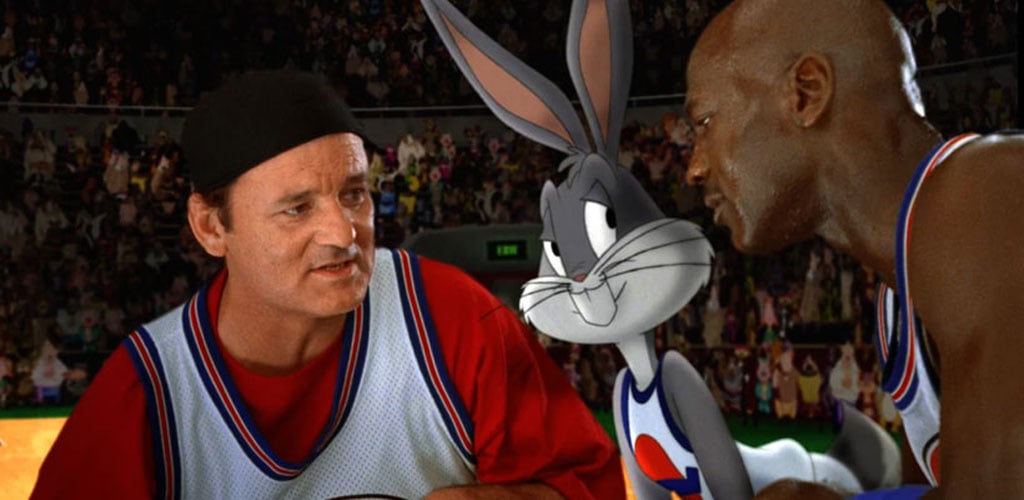
Live action with animation is best for advertisements, brand videos, and content that needs to combine real people or locations with animated characters, graphics, or effects. It adds explanation and visual energy while keeping the realism of filmed footage.
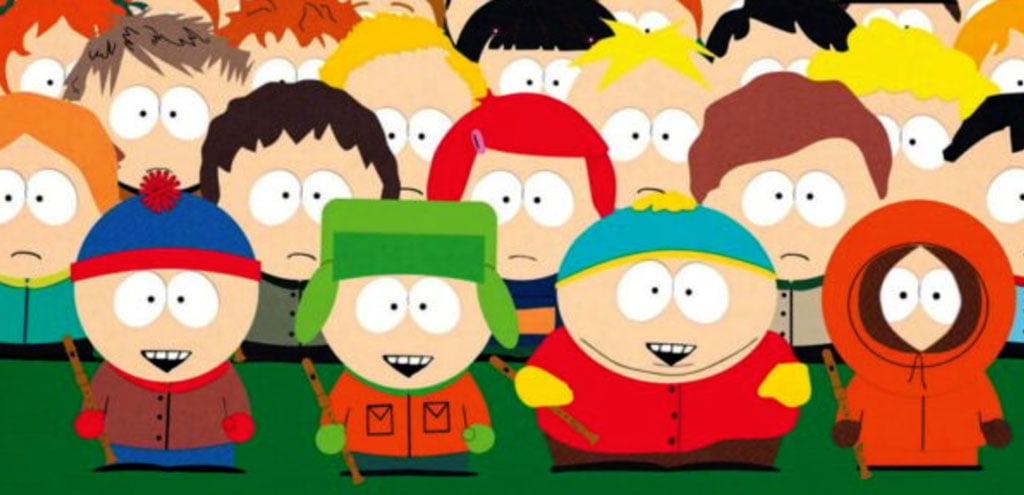
Image: South Park Studios
In older versions, those parts were physically cut out and repositioned by hand. The same look can also be created with software. Monty Python’s Flying Circus used cutout animation for its surreal humor, and the early look of South Park borrowed that same rough, handmade feel through digital tools. It’s not so much the actual animation, but the storytelling that makes South Park a popular TV show.
Because the process is relatively lean, cutout animation is a smart option for projects with smaller budgets or short turnarounds. It also has a stylized, slightly raw quality that suits playful, satirical, and intentionally offbeat content really well.
Cutout animation is best for playful stories, satire, short-turnaround videos, and projects with smaller production budgets. Its simple construction and slightly raw appearance suit content that is intentionally offbeat.
Kinetic typography, also known as text animation style, is all about making words do some of the storytelling. Instead of sitting still on screen, text can move, build, snap into place, or disappear in ways that support the message. You’ll see it in product promos, brand videos, conference openers, social ads, and app promos where the wording needs to carry real weight. Kinetic typography originated in 1899 with moving letters. Alfred Hitchcock helped popularize it in the 1960s.
It’s especially useful when people are watching without sound, because the message still needs to land quickly and clearly. Text animation can guide attention, set pace, and make key ideas easier to absorb. It has been part of visual storytelling for decades, and it still works because movement gives plain words more presence.
In marketing videos, kinetic typography helps highlight numbers, headlines, taglines, key words, and key takeaways without relying on characters or detailed scenes. When the timing is right, the text doesn’t just deliver information. It gives the piece energy, structure, and tone.
Kinetic typography is best for product promotions, brand videos, conference openers, social ads, and app promos. It is especially useful when key messages must remain clear for people watching without sound.
Anime has become a global visual language, not just a Japanese animation style. Its influence reaches far beyond film and television into advertising, branding, and merchandise, especially when companies want to connect with younger audiences through emotion, style, and strong visual identity.
Because it covers everything from fantasy and sci-fi to romance and psychological drama, anime can handle stories that feel intimate, imaginative, intense, or surreal. There are many types of anime styles, from retro cel-drawn series to modern digital productions, but they share the same expressive, character-driven approach.
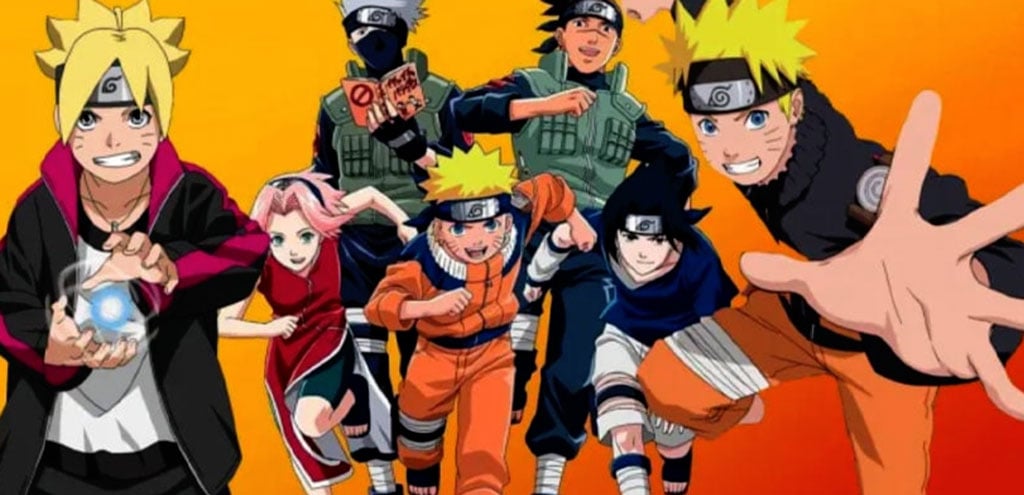
Image: Studio Pierrot
Anime refers to animation from Japan, and it’s known for expressive characters, strong linework, and richly designed worlds. There are famous animators like Hayao Miyazaki, who helped shape that approach and define what many people now recognize as anime’s storytelling strength.
Since then, the audience for anime has grown dramatically around the world, turning it into both a major entertainment category and a style brands increasingly borrow when they want visuals that feel iconic, expressive, and culturally current.
Films from Studio Ghibli, such as Spirited Away, helped establish its emotional depth and global appeal. Spirited Away even became Japan’s highest-grossing film for nearly two decades and won an Academy Award.
Anime’s global popularity has since surged, generating nearly $20 billion in worldwide revenue in 2023 alone.
Anime spans genres from fantasy and sci-fi to romance and psychological drama. That makes it a flexible storytelling tool. Among animation art styles, anime’s look blends realism with visual flair, and when creators want more lifelike movements of richly rendered worlds, the wider animation industry often points to CGI breakthroughs like Toy Story.
Beyond films and series, anime aesthetics are used in marketing. Brands take advantage of its emotional resonance and iconic visuals to connect with younger audiences in ads or merchandise campaigns.
Anime animation is best for entertainment, advertising, branding, merchandise campaigns, and stories aimed at younger audiences. Its expressive characters and strong visual identity work well for emotional, imaginative, or dramatic content.
Vector animation uses math, not pixels, to draw movement. Instead of redrawing every frame, it builds images from points and curves that can scale to any size without losing quality. The result: smooth, crisp visuals that stay sharp on any screen.
This form of 2D animation became popular through Flash, and now HTML5. It’s commonly used in banner ads, mobile apps, interactive infographics, and marketing videos. It fits anywhere you need fast, flexible visuals with clean movement.
In this style, facial expressions are often kept simple or minimally animated so the designs stay iconic and easy to read.
Since the artwork isn’t tied to resolution, vector animation works perfectly across web, mobile, and desktop without bulky files or blurry edges.
It’s also efficient. Movements can be built on timelines or controlled by scripts, making it ideal for digital animation projects that need quick updates or modular design. That’s why scalable animation is a go-to for corporate tutorials, UI animations, and web-based learning tools.
Vector animation is best for banner ads, mobile apps, interactive infographics, marketing videos, corporate tutorials, and UI animation. Its scalable artwork stays sharp across websites, mobile devices, and desktop screens.
Rotoscoping is an animation technique where artists trace over real filmed footage, frame by frame, to produce lifelike movement. The method dates back to 1915, when Max Fleischer patented it to animate his early cartoons. Because the motion is captured from live action, rotoscope animation has a fluid, almost uncanny realism that is hard to achieve by hand.
You’ll recognize it in films like A Scanner Darkly and Waking Life, in classic Disney sequences, and in music videos and ads that want a stylized-yet-natural feel.
Rotoscope animation is best for music videos, stylized ads, film sequences, and any project that needs realistic motion with an artistic, hand-touched look.
Cel-shaded animation (also called cel shading or toon shading) is a 3D technique rendered to look like flat, hand-drawn 2D. Instead of smooth, realistic lighting, it uses hard-edged shadows and bold outlines so 3D models read like a moving comic book or cartoon.
It became popular through video games and has since crossed into film and advertising. Games like Borderlands and Jet Set Radio are well-known examples. Spider-Man: Into the Spider-Verse is better described as a stylized hybrid CG production influenced by comic-book printing, stepped animation and illustrative rendering rather than a simple example of cel shading alone. For brands, cel shading offers the depth and efficiency of 3D with the stylized, approachable charm of 2D. It is one of the most recognizable forms of stylized animation.
Cel-shaded animation is best for video games, stylized brand films, product trailers, and content that wants a 2D cartoon look with the flexibility of 3D.
Pixilation is a stop-motion technique that uses real people and everyday objects as the frames. Instead of puppets or clay, live actors hold a series of poses that are photographed one shot at a time, creating jerky, surreal movement that feels part human and part cartoon.
The technique goes back to the early 1900s and was famously used in the Oscar-nominated short Neighbours (1952). It’s a favorite for quirky music videos, title sequences, and social campaigns that want something playful on a modest budget.
Pixilation is best for music videos, title sequences, experimental shorts, and social campaigns that want a playful, handmade, attention-grabbing effect.
Sand animation is a hand-crafted style where artists shape loose sand on a backlit glass surface, filming the images as they are drawn, wiped, and reshaped. This is one of the most unique animation styles I’ve seen. Each scene flows into the next in one continuous, tactile motion, which gives the style a warm, emotional, almost hypnotic quality.
It’s often performed live on stage as well as on screen. Because it’s so expressive and unusual, sand animation works well for storytelling pieces, brand films, and cause-driven campaigns that aim to move an audience.
Sand animation is best for emotional brand films, nonprofit and cause campaigns, live performances, and story-driven pieces that need a distinctive, artistic touch.
Pixel art animation builds movement from tiny, individually placed squares, the same look that defined early video games. Despite its retro roots, it’s very much alive in modern indie games, branding, and social content, where its clean, nostalgic charm stands out.
Games like Celeste and Stardew Valley show how expressive the style can be. For marketers, pixel art animation is a strong fit when a brand wants a playful, gaming-adjacent, or nostalgic personality that feels crafted rather than generic.
Below is a good example of pixel animation with a retro look, combined with great storytelling and captivating visuals.
Pixel art animation is best for video games, retro or gaming-focused brands, social media content, and loops or stickers that need a nostalgic, characterful look.
Some of today’s most memorable visuals come from blending styles: mixing 2D, 3D, live action, and graphic elements into a single scene that surprises and delights, and mixed-media work can also include experimental animation approaches. This hybrid animation style lets studios combine the strengths of several techniques in one piece.
Spider-Man: Into Spider-Verse exemplifies hybrid animation techniques, and Spider-Man Across the Spider-Verse pushed that approach further by pairing 3D CGI with hand-drawn lines, Ben-Day dots, and comic-inspired effects. It’s what gives the movie that living comic-book feel, blending motion and echoing print techniques in perfect harmony.
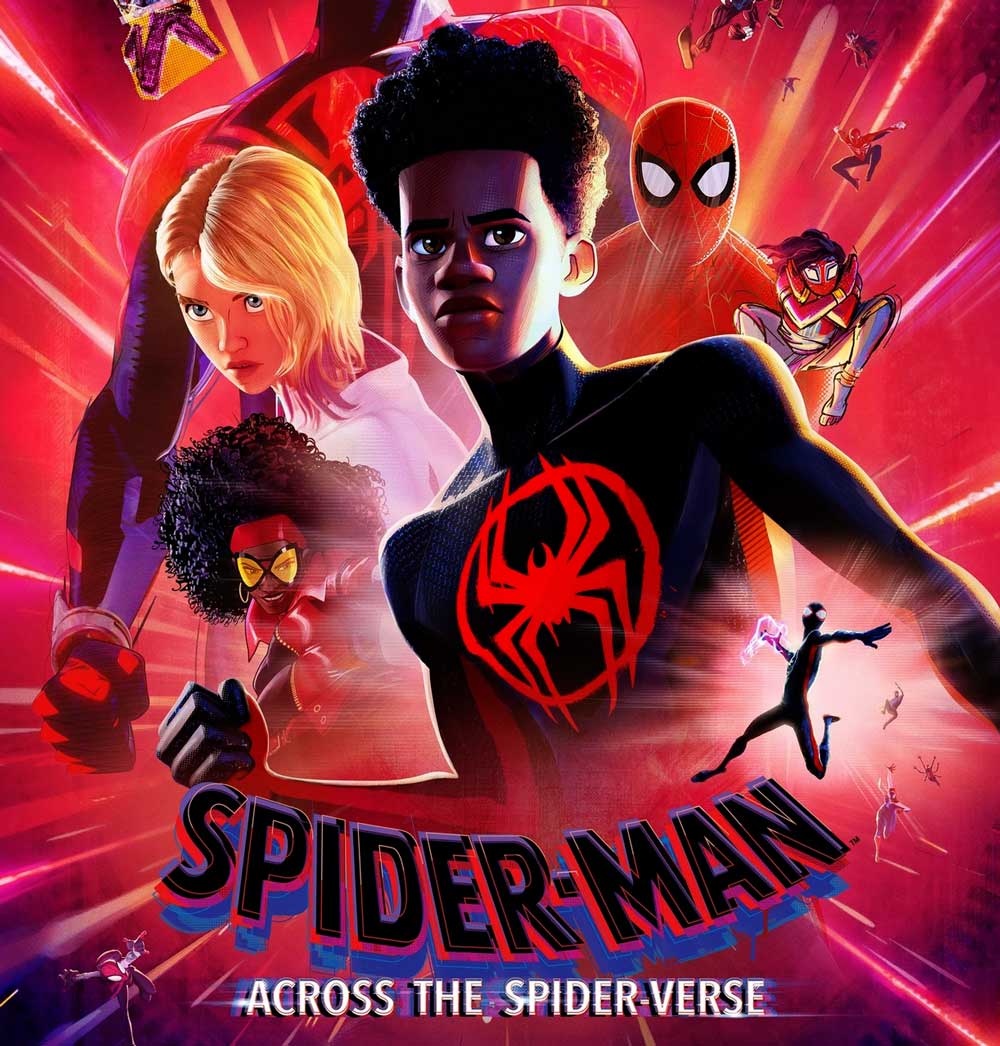
Image: Marvel
Hybrid animation isn’t just for features. Ad campaigns and short films use it to stand out by blending various styles. Clips can layer digital illustrations over real footage or splice animated elements into physical environments. The contrast makes each visual detail pop.
What makes mixed-media work is pairing each style with what it does best. Rendered depth from CGI meets emotional warmth from hand-drawn touches. Color, texture, and motion open up endless possibilities for visual storytelling, giving any brand message a more imaginative edge.
Mixed media animation is best for advertising campaigns, brand content, short films, and projects that need a more unexpected visual style. Combining live action, 2D, 3D, illustration, and graphic design allows each part of the message to use the most suitable technique.
People often use the terms “cartoon styles” and “animation styles” interchangeably, but cartoon animation is really a subset of the styles above. Most classic cartoon styles are created with 2D, cel or traditional, cutout, or vector animation. Think Tom and Jerry, The Simpsons, or South Park. Anime is Japan’s distinct cartoon style, while 3D cartoon styles power modern favorites like the films from Pixar.
When people search for the different types of cartoon styles, they are usually describing these same animation techniques by more familiar animation names. The most popular cartoon styles fall into a few clear cartoon types: hand-drawn and cel cartoons, flat 2D and vector cartoons, cutout cartoons, anime, and 3D CGI cartoons. If you are choosing a cartoon animation style for a brand or marketing video, 2D and vector animation give you that recognizable cartoon look with the most flexible budget.
A few specific cartoon styles come up often when clients bring reference clips. Rubber hose animation is the bouncy, noodle-limbed look of early Disney and Fleischer cartoons from the 1920s and 1930s. Golden age Western cartoons like Looney Tunes and early Disney shorts built on that style with bolder colors and faster comic timing. Chibi is a playful anime sub-style with oversized heads and small bodies, often used for mascots and merchandise. Flat vector cartoon branding shows up constantly in modern animated marketing videos and app mascots. It uses simple shapes and bold color blocks so a character reads clearly at a small size. Stylized 3D cartoon, the look Pixar and DreamWorks use, keeps exaggerated cartoon proportions while adding depth and lighting.
Most cartoon-style marketing videos land on 2D or vector animation. It gives you a recognizable cartoon look without the cost of full 3D character rigging.
The most widely recognized categories include traditional (hand-drawn), 2D (vector/digital), 3D (CGI), and stop-motion animation. Each has its own visual character and production method.
Both 2D and 3D animation consistently rank as the most popular styles. They appeal broadly, from younger to adult audiences, and offer a balance of storytelling and visual appeal.
Your choice depends on the message and tone you want to deliver:
Absolutely. Combining styles, like blending 2D with 3D or mixing stop motion with live action, can create unique visuals and grab attention. Many modern projects intentionally mix techniques for artistic flair or brand differentiation.
Stop-motion animation, especially using simple materials like clay or paper, offers an accessible entry point. It lets beginners explore animation through hands-on experimentation without needing advanced software.
Beyond the four basic categories, there are many different types of animation used in production today. This guide covers 18 kinds of animation in total, including traditional (hand-drawn), 2D, 3D, motion graphics, stop motion, whiteboard, claymation, cutout, kinetic typography, anime, vector, rotoscope, cel-shaded, pixilation, sand animation, pixel art, and mixed media, plus animation blended with live action. Each type suits a different budget, timeline, and audience, so the right one comes down to the project rather than a single best style.
Choose the style by production need, not novelty. There’s no single best animation style for marketing videos; each one excels in different contexts.
Ask how much realism the message requires, whether characters or UI need to be shown, what assets can be reused, how many versions are needed, what the schedule allows and what budget is available. Those constraints usually narrow the practical choices quickly. If you need an animation studio to help you on your next project, send us a message, and we’ll be happy to discuss your project.


Larry is the Founder and Producer at Mammothic Films, with more than 15 years of production experience. He leads a team that creates story-driven videos for businesses and brands. A marketer, designer, and animator, Larry has overseen the production of more than 1,500 videos for Fujitsu, Logitech, Warner Brothers, NFL, Blockdaemon, Astronomer, Canonical, and 370+ other companies in Canada, the United States, and around the world.
Larry is a devout Christian who believes in placing God first, and that everything else is a blessing that comes from serving Him. When he’s not working, he’s hanging out with his wife and three kids, playing the piano, or sightseeing.
We use cookies to improve your experience on our site.
Manage your cookie preferences below:
Essential cookies enable basic functions and are necessary for the proper function of the website.
