Get an estimate for your video project in less than a minute.

Get an estimate for your video project in less than a minute.
Video marketing for lawyers helps a law firm explain its services and introduce the people a prospective client may contact. The content needs a clear purpose and a careful review process before publication. This guide covers useful video types, publishing choices and planning a shoot. It also identifies the advertising and confidentiality questions your firm should check against its own professional rules.
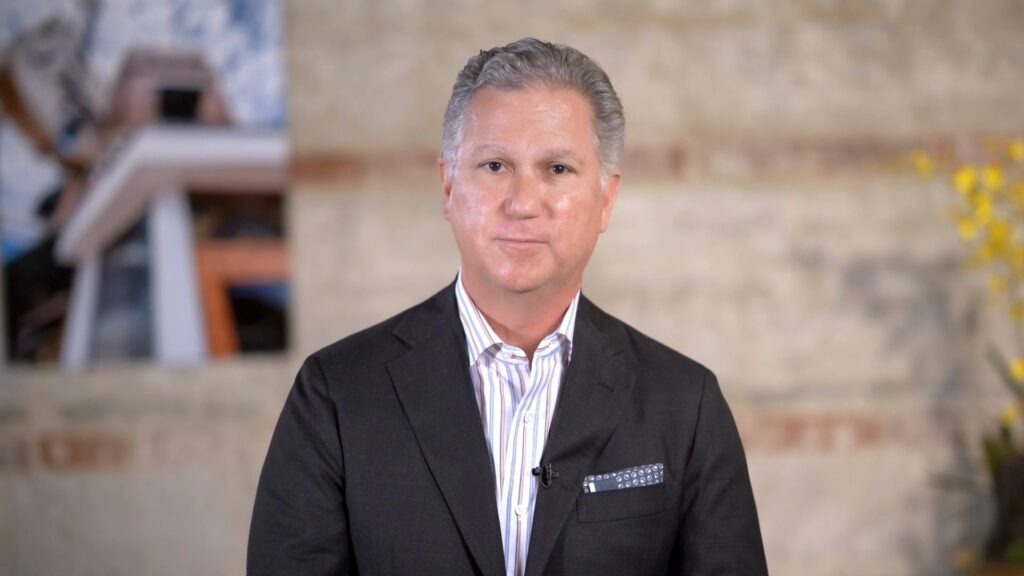

| How does video marketing for lawyers work? Video marketing for lawyers uses introductions, explanations and other approved videos to help prospective clients understand a firm. Start with a question people ask before contacting you. Choose a format that answers it clearly. Review the script and final edit against your applicable professional rules before publishing or distributing the video. |
Law firm video marketing uses video to explain a firm’s services and help people decide whether to make contact. A prospective client may want to understand who handles a matter and what an initial conversation involves.
The video should reduce uncertainty without promising a result. Introduce the relevant service in plain language. Explain what the viewer can do next and avoid turning a general video into advice about an individual’s situation.
Start with questions your intake team hears repeatedly. Identify the information that can be explained safely and accurately to a broad audience. Give each video one main job. A short introduction should not also attempt to cover every possible issue within a practice area. For example, separate the explanation of how to contact the firm from a detailed account of its intake process. This makes future updates easier to review. Plan the review responsibilities before filming so important wording is not left to the final edit.
The interview questions deserve attention before the shoot. They should help the lawyer explain the client's situation, how the firm can help and what happens after someone makes contact. Give them room to answer in their own words, with follow-up questions when an answer needs more detail. The edit can then bring the clearest responses together. A tightly scripted delivery can make someone sound less comfortable on camera and give viewers less sense of who they'll be speaking with.
Attorney video marketing works best when the format matches the question a viewer needs answered. Choose the content before deciding whether it needs a filmed speaker or animation.
An attorney bio introduces the person a client may work with. Explain the lawyer’s role and approach in clear terms. Verify credentials and any professional designations before including them. Use natural speech instead of reading a long written biography. The viewer should understand how the person fits the firm’s services and what a first conversation is intended to establish.
A practice-area video explains the kind of matters the firm handles. Define the subject and describe the firm’s service without trying to cover every variation. Keep the language understandable to someone unfamiliar with legal terminology. Identify the next useful action. Avoid implying that a general description settles whether the firm can help with an individual viewer’s situation.
An FAQ video answers one recurring intake question. Give the general answer first and explain the relevant limits. Keep the scope narrow enough for a clear response. Compare FAQ video examples when planning the format. Assign a lawyer to approve the wording and a review date so the content can be checked when the firm’s process changes.
A client story describes an approved experience without exposing confidential information or creating a misleading expectation. Confirm whether this format is permitted under the firm’s applicable rules. Obtain the required permissions before recording and review the edit carefully. Our guide to a video testimonial can help organize the interview once the firm has approved the approach.
An ad presents a focused service message and a clear next step. Keep the claim and the offer understandable in the available time. Check any required disclosures against the platform and jurisdiction. The final edit needs the same review as the script. A visual or an omitted qualification can change how a statement is understood even when the spoken words remain unchanged.
Publish legal video marketing where the intended viewer is looking for information about the firm or its services. Give every placement enough context to explain why the video belongs there.
On the website, put an attorney introduction near the relevant biography or service page. A question-focused video should sit beside the corresponding explanation.
Google Business Profile supports videos and policies. For YouTube and social channels, confirm current publishing specifications and the firm’s approval process.
Review legal video examples to assess how a complete piece communicates its subject. Do not assume that an approved website video is automatically suitable for every advertising placement. Context and accompanying text should be reviewed too.
Check the professional advertising rules that apply to your firm and the places where the video will be used. Law society and bar requirements differ by jurisdiction and can change.
Identify the rules covering service claims, professional descriptions and testimonials. The governing rules may restrict statements that create a misleading impression. Check whether the video needs a disclaimer and how it must appear. Do not assume a disclaimer repairs an otherwise misleading message.
Have the firm’s designated reviewer check the script and final edit. Confirm confidentiality and permission for every client reference. Keep the approved version and the review record together.
This section is a production planning guide rather than legal advice. Ask the person responsible for professional compliance to confirm the current requirements before publication. Recheck the content when it is reused in a different context.
Plan a lawyer video shoot around an approved message and a setting that supports clear speech. Resolve sensitive content before the crew arrives.
Planning video production for attorneys starts with an approved message and the audience it needs to help.
Plan the advertising placement before writing. A short version still needs enough context for the message to be understood.
The answer depends on the professional rules that apply to the firm and the intended use. Have the firm’s responsible reviewer check testimonial restrictions and required permissions before recording. Consider confidentiality as well as advertising requirements. The final edit should preserve the meaning of the client’s account and avoid implying a guaranteed result. Do not publish a testimonial merely because the client agrees to appear.
Start with the question that creates the most uncertainty before a suitable prospective client contacts the firm. An attorney introduction or a plain explanation of the first consultation may be a useful starting point. Ask the intake team which answer it repeats most often. Choose one subject and obtain approval for the script before planning several related videos. The first asset should solve a defined communication need. Assign one person to keep the script, approvals and final version together so the firm can check the same material when it is reused.
A lawyer video should be long enough to answer its defined question clearly and no longer than the subject requires. A short introduction and a detailed process explanation need different treatment. Read the script aloud and remove information that belongs in another resource. Preserve qualifications that matter to accuracy. If the answer becomes difficult to follow, narrow the subject instead of rushing the delivery.
Lawyers do not need to appear on camera in every video. Animation or supporting footage may suit an approved explanation. An attorney introduction benefits from showing the person the viewer may meet. Choose according to the communication task and the speaker’s comfort. A filmed appearance still needs preparation and review. A format without an on-camera lawyer still needs someone to approve the content.
A firm needs enough videos to cover its priority communication gaps. There is no useful fixed number for every practice. Begin with one important question and review whether the finished asset helps. Add subjects when they serve a clear audience need and the team can maintain them. Assign an owner and a review date. An outdated library can create more uncertainty than a smaller set of current videos.
Plan law firm videos around a clear audience question and an approved message. Choose the format that explains the subject without overloading the viewer. Make confidentiality and professional-rule review part of the production process from the beginning. Check the final placement as well as the edit. A useful video should help people understand the firm and its services while giving them a clear, appropriate next step.
Related Articles

Larry is the Founder and Producer at Mammothic Films, with more than 15 years of production experience. He leads a team that creates story-driven videos for businesses and brands. A marketer, designer, and animator, Larry has overseen the production of more than 1,500 videos for Fujitsu, Logitech, Warner Brothers, NFL, Blockdaemon, Astronomer, Canonical, and 370+ other companies in Canada, the United States, and around the world.
We use cookies to improve your experience on our site.
Manage your cookie preferences below:
Essential cookies enable basic functions and are necessary for the proper function of the website.
