Get an estimate for your video project in less than a minute.

Get an estimate for your video project in less than a minute.
I wrote this article to provide tips on how to plan, record, and deliver a video testimonial that connects with your customers, boosts social proof, and builds trust in your brand.
| How do you make a video testimonial? To make a video testimonial, define the goal and where it will run, then choose a customer with a specific story. Prepare simple questions. Film with strong audio, good lighting and B-roll, then edit for clarity. The best testimonials show the customer's problem, why they chose you and the results they achieved. |
A video testimonial is a short customer interview that shows the problem they faced, why they chose your solution, and the results they achieved. The best ones feel like a real conversation, include specific outcomes, and use supporting footage to make the story believable.
We’ve had our fare share of creating video testimonials that use on-location recording and others that use a hybrid approach. Online reviews also influence buying decisions, but live video recordings can be persuasive when the story and audio are strong.
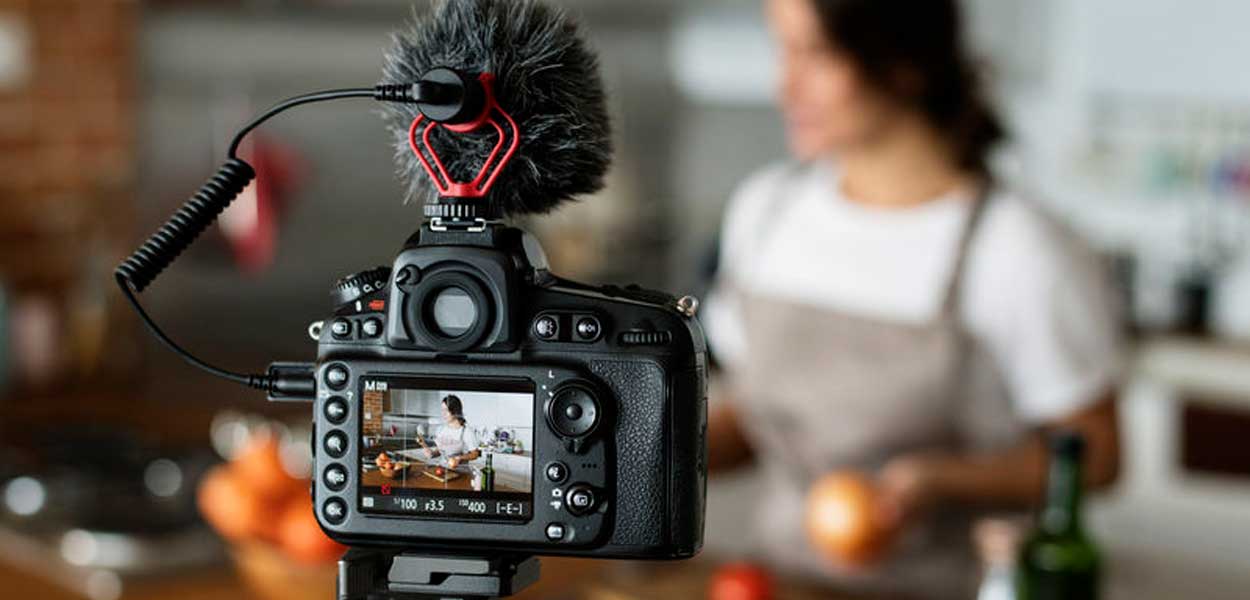
A video testimonial is believable and credible when it feels that way. People can tell when a testimonial doesn’t feel right. Sometimes it’s not your fault because the customer is not comfortable on camera.
Here are a few important factors to consider:
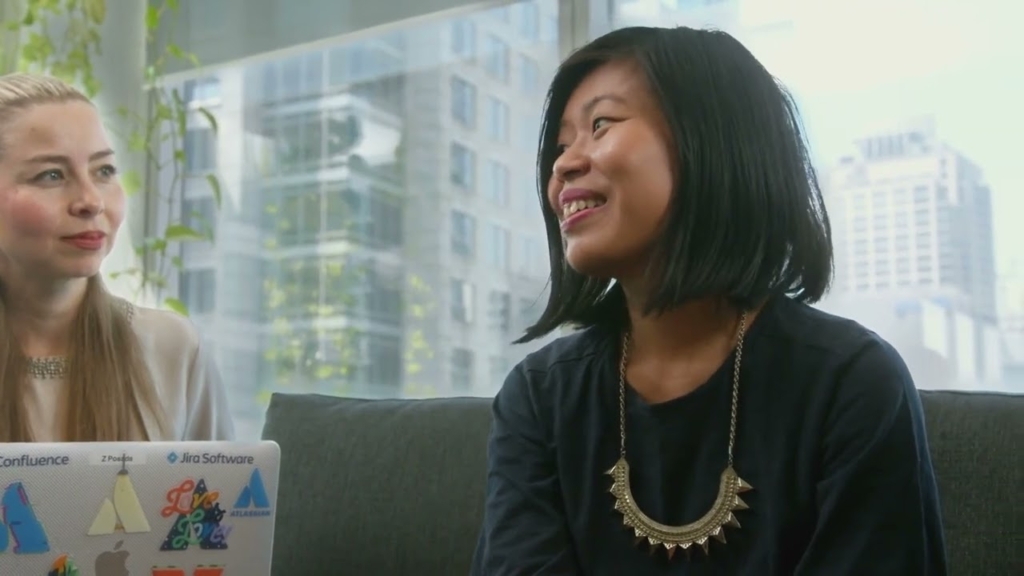
This video testimonial demonstrates practical workflow-focused testimonial that shows how the tool fits day-to-day operations. It uses great reference for “real work” B-roll and distributed-team messaging.
What makes it work?
In my opinion, this is a strong example of the format. The video uses real life stories and authentic voices that don’t sound scripted or look like acting. That authenticity is what makes the video testimonial believable and builds trust in your solution.
A clear and concise testimonial that defines problem, solution, outcome. It shows how we helped create a brand video with clear messaging and content that appeals to their audience with little effort on the client’s part.
What makes this virtual video testimonial work?
The customer starts by talking about their pain points, how they came to decide who to work with, and why they’re happy with the final result.
Since we couldn’t do an on-location recording, so did a virtual interview. The B-roll is made up of the video we produced to help connect what the customer is saying to the final product we produced.
Strong example of a testimonial that addresses scale and support/sales outcomes without becoming feature-heavy; useful reference for “why we chose them” segments.
A strong enterprise-style customer story with clear operational context and outcome framing, useful as an example of “brand trust + scale + measurable impact.”
Start by deciding where the customer testimonial video will be used: your website service page, a landing page, YouTube, LinkedIn, or as sales enablement video content in follow-up emails.
Write a one-sentence outcome you want (reduce objections, increase conversions, boost donor confidence, support recruiting).
Choose one primary audience segment (buyers, stakeholders, donors, HR candidates) and one primary message so the final video testimonial stays focused and easy to act on.
Pick a customer who matches the prospects you want more of and who can explain the “before” in a relatable way; the best client testimonial videos come from people who can share context, not just compliments.
Confirm permissions (name, title, company logo, usage) and select one angle such as onboarding speed, implementation simplicity, reliability, customer support, measurable performance, or mission impact for nonprofits.
Aim for a story that can be expressed in one sentence, because that’s what makes a customer success video edit cleanly.
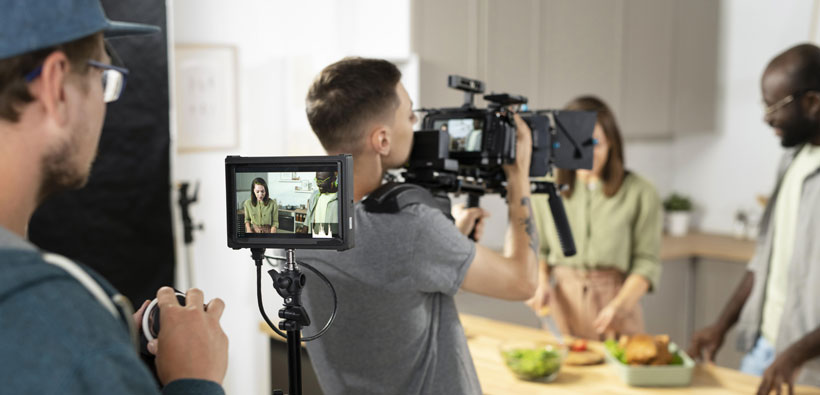
Send 8–12 questions in advance and plan the interview around Before → Decision → After so you capture a complete narrative for a case study video without rambling.
Use prompts instead of a memorized script, and prioritize questions that pull specifics: what changed, how it changed day-to-day, and what results appeared first.
If the customer can’t share exact numbers, ask for concrete substitutes such as time saved, fewer errors, reduced support tickets, higher attendance, or faster approvals to keep the testimonial video script grounded.
Record in a quiet space to reduce echo, use a lavalier mic or shotgun mic for clean dialogue, and frame the subject as an on-camera interview with a slightly off-lens eye-line for natural delivery.
Keep the background simple and relevant, add basic three-point lighting (or a single key light plus window fill), and capture supporting footage (B-roll) that proves the story: workflows, environments, product/service in use, screenshots or dashboards where permitted.
This is what separates a generic talking head from making a corporate video that focuses on the customer’s story.
Open with a specific problem, outcome or statement that gives the viewer context quickly. For short social cutdowns, move the strongest line earlier in the edit.
Add captions/subtitles for accessibility and for placements where viewers may watch without sound, include lower-thirds with name and title, and use light on-screen graphics to highlight outcomes without overproducing.
Export one primary version (typically 60–90 seconds for a website) plus short cutdowns (15–30 seconds) for paid social, LinkedIn, and email follow-ups, so your testimonial video marketing becomes a reusable asset rather than a one-off clip.
A straightforward operations and efficiency story; useful for demonstrating how to communicate workflow changes and adoption benefits clearly.
Try and work with a length that fits where the video will be placed. Shorter is usually better unless the viewer already has strong intent.
These are not hard and fast rules but guidelines to help you decide what works. It’s also important to make note of attention spans and not make the videos too long.
| Where you’ll use the testimonial video | Recommended length | What to focus on |
|---|---|---|
| Website service page / landing page | 45–90 seconds | One clear problem, why they chose you, and one specific outcome. |
| Homepage / trust section | 30–60 seconds | A strong credibility line, quick context, and a simple result that supports your CTA. |
| Sales follow-up (email or proposal) | 30–60 seconds | Address one common objection (risk, timeline, complexity) and reinforce confidence with specifics. |
| Case study page / YouTube | 90–150 seconds | Before → decision → after, with proof details and supporting B-roll. |
| LinkedIn (organic) | 20–45 seconds | Start with the “before” pain or outcome, keep it tight, and add captions for silent viewing. |
| Paid social ads (Meta / TikTok / YouTube Shorts) | 15–30 seconds | One punchy line plus a result; use quick visuals, captions, and a clear next step. |
| Recruiting / internal communications | 45–90 seconds | Credibility, clarity, and human tone: why it works and what it’s like day-to-day. |
| Nonprofit fundraising / donor appeals | 60–120 seconds | Mission impact, a real story moment, and a clear call to donate or get involved. |
If you only publish one version, pick 60–90 seconds and create shorter cutdowns afterward.
Here are our recommended questions to ask. You can pick the ones that you feel are most relevant to your business and the type of customer giving the testimonial.
| # | Core video testimonial question | What this question is designed to capture |
|---|---|---|
| 1 | What was happening before you found us? | Context and the “before” state that makes the story relatable. |
| 2 | What problem were you trying to solve? | The primary pain point the viewer is likely to recognize. |
| 3 | What made you decide it was time to change? | The trigger moment and urgency behind taking action. |
| 4 | Why did you choose us over other options? | Differentiators, selection criteria, and purchase decision factors. |
| 5 | What was your main concern going in (risk, time, cost, uncertainty)? | Objections you can address for future prospects. |
| 6 | What was the experience like working with the team? | Service quality, process, communication, and trust signals. |
| 7 | What results have you seen so far? | Outcomes, metrics, and proof points (time saved, revenue, impact). |
| 8 | What would you tell someone considering the same decision? | A concise recommendation line that often becomes the “hook.” |
One of the best places to post video testimonials is on your service pages. Place a relevant testimonial near the service, pricing, process or CTA it supports so the customer’s evidence appears beside the claim it relates to.
Add them to landing pages that support paid campaigns. Include a short testimonial cutdown in proposals and pitch decks to replace claims with proof and reinforce why you’re the safer choice.
Send a 30–45 second version in sales follow-up emails after a discovery call to address objections and keep momentum moving toward the next step. Place industry-relevant testimonials inside sales decks and enablement libraries so your team can match the right proof to the right prospect.
Use testimonials in recruiting and internal communications to show culture, clarity, and real outcomes without relying on corporate language. For nonprofits, add testimonials to fundraising and donor pages to make impact tangible, build trust quickly, and support a clear call to donate or get involved.
DIY works if you can control noise, capture clean audio, and keep the interview focused. We recommend hiring a live action video production company in the following situations:
Mammothic Films is one of the well-reputed companies that know the art of making videos that can bring your services to life. The company comprises a small team of creative people who are curious about the best features of products and services and can turn those features into benefits into a video testimonial.
The company is producing video testimonials for ten years and has worked for several local and international brands. The team loves putting your happy, successful and unique clients on-screen using creative and real-life narrative.
Quicksilver Studio is a leader in executing sales via pursuit based advertising and marketing. The creative team from Quicksilver uses customer’s compelling narrative, intelligence, and spontaneous opinions to make an effective video testimonial.
The company knows that the most valuable part of a testimonial video is to make clients vocalize their problems and tell them how your product or service can provide a solution. They add lifestyle shots with interview footage and show customers using your service or product in different situations.
All in all, a persuasive testimonial video helps guide prospects via the sales funnel. However, it is essential that you invest time and effort in planning testimonial videos to get the desired results.
A professional, high-quality video is an excellent way to project your business’s image and encourage prospects to buy your product or service. Thus, the article includes everything you need to know to create an effective testimonial video.

Larry is the Founder and Producer at Mammothic Films, with more than 15 years of production experience. He leads a team that creates story-driven videos for businesses and brands. A marketer, designer, and animator, Larry has overseen the production of more than 1,500 videos for Fujitsu, Logitech, Warner Brothers, NFL, Blockdaemon, Astronomer, Canonical, and 370+ other companies in Canada, the United States, and around the world.
Larry is a devout Christian who believes in placing God first, and that everything else is a blessing that comes from serving Him. When he’s not working, he’s hanging out with his wife and three kids, playing the piano, or sightseeing.
We use cookies to improve your experience on our site.
Manage your cookie preferences below:
Essential cookies enable basic functions and are necessary for the proper function of the website.
