Get an estimate for your project in 60 seconds. No email required.

Get an estimate for your project in 60 seconds. No email required.
| How much does video production cost? Most professional business videos cost between $4,000 and $33,000. Production companies and freelance videographers typically charge $65 to $190 per hour. A filming day runs $800 to $3,500 depending on crew size. The biggest cost drivers are crew size, shoot days and editing. Your quote should connect those costs to the finished videos you need. |
Most professional business videos cost between $4,000 and $33,000 per project. That range averages published industry price guides and our own rates.
Those figures give you a reference point. They do not establish a single cost for your project. An average tells you where most budgets land. It does not tell you how much work a particular job needs or what other charges appear in the quote.
A one-person interview shoot might involve a single speaker in an available room. The work centres on recording a clear conversation and editing the strongest answers. A commercial filmed over several days can require different locations and performers. Each scene needs preparation before the camera rolls. The final video can be short even when the production work is extensive.
That difference makes a broad average a poor substitute for a defined scope. A scope is the written description of what the production team will make. It connects the proposed price to the actual job.
Use the range to frame your budget conversation. Ask what the proposed amount includes before comparing it with another project.
Over more than 15 years as a video producer, I have overseen 1,500+ videos for companies across Canada, the United States and around the world. One of the first questions clients ask is, “What will it cost?” Clear communication about budget from the outset helps us shape the script, shoot and edit around your priorities while avoiding surprises later.
Many decisions that affect cost are made before the camera rolls. We develop the script and a scene-by-scene storyboard so you can visualize the video, provide feedback and request changes early. Refining these details during pre-production saves time and helps prevent costly revisions after filming.
The type of video sets the work required and gives you a useful starting point for comparing prices. The ranges below average published 2026 industry price guides and our own rates. Each range prices one finished video unless the row says otherwise. Figures are rounded to the nearest $1,000.
| Type of video | What drives the cost | Typical range |
|---|---|---|
| Corporate video | Interviews, workplace footage and editing | $5,000 to $23,000 |
| Commercial or ad | Concept, performers, locations and intended use | $9,000 to $54,000 |
| Testimonial | Interview setup, speakers and supporting footage | $2,000 to $13,000 |
| Training video | Script detail, demonstrations and versions | $3,000 to $12,000 |
| Event video | Coverage hours, rooms and recording requirements | $2,000 to $10,000 for a highlight video. $3,000 to $16,000 for full event coverage with edited recordings. |
| Social media video | Filming needs, formats and number of edits | $1,000 to $6,000 per video |
The creative concept determines the filming and editing an ad requires. A product demonstration needs different coverage from a scripted scene with actors. Your commercial video production brief should identify the campaign message and intended placements. Paid social may need shorter edits with different openings. Include those edits in the brief before casting and locations are priced. The production quote covers making the ad. Paying to place it on TV, streaming or social media is a separate media budget.
A video testimonial centres on someone describing their experience in their own words. The production still needs clear sound and enough time for useful answers. More speakers mean more interview material to review. Supporting footage can show the work or product being discussed. The quote should distinguish interview recording from that extra filming and the final edit.
The cost of training video production follows the learning objective and the demonstrations needed to teach it. Employee onboarding may need separate training modules. Each module is a lesson with its own instructions and review requirements. Filming a practical task can involve several camera positions. Those demonstrations and separate lesson edits should be identified in the quote.
Your event videography scope should separate a highlight edit from full recordings of presentations. These outputs require different coverage. Simultaneous sessions can need separate crews. Audience reactions and activity between talks also take time to capture. A useful quote identifies the spaces covered and the recordings you will receive after the event is over.
The number of campaign edits affects social media video production costs. Paid social may need alternate openings to test different messages. Organic posts may use shorter extracts from the main video. Vertical and horizontal versions also need suitable framing and graphics. Specify which edits and captions belong in the quoted package before production begins.
Animation budgets account for the illustration, scene design and movement needed to communicate your message. That applies to a complete animated video or to graphics added to recorded footage. A product diagram with moving labels needs different preparation from a character-led scene with custom backgrounds.
Corporate videos typically cost $5,000 to $23,000. That average spans everything from a single interview to a multi-day shoot. Our own published range of $10,000 to $25,000+ covers full-service production from script to delivery.
Corporate video production costs reflect the interview subjects, filming locations and supporting footage needed for your communications objective. Executive interviews can explain a leadership message. B-roll is supporting footage of your people, workplace or activities. It gives viewers context for what the speaker describes. A typical scope might include one or two shoot days followed by editing.
The work grows when speakers are available at different times or the story needs footage from several sites. Filming an interview in a quiet office is different from recording speech beside working equipment. The crew needs a setup suited to the space and the activity.
Different types of corporate videos serve different communications needs. A company overview for sales presentations might draw on several departments. A recruitment video might follow employees through their working day. Those choices determine who needs to appear and which activities the crew must record.
For corporate video production, tell us the audience and the message they need to understand. Identify the speakers and available locations. Include any shorter recruitment edits or presentation versions you need. We can then quote the interviews, supporting footage and editing that serve that purpose.
Production companies and freelance videographers typically charge $65 to $190 per hour. A filming day averages $800 to $3,500. The low end usually books one camera operator. The high end books a small crew with lighting and sound equipment.
An hourly rate usually covers one person’s time. A day rate books the crew and their equipment for the shoot. Neither is a complete project price. An hourly figure without estimated hours leaves the total open. You also need to know which work the rate covers and which expenses sit outside it.
Many studios quote filming by the day because a crew and its equipment are booked for a block of time. Setting up cameras and lighting takes time before recording begins. Packing equipment and moving between locations also use the booked day. The minutes captured on camera do not represent all that work.
A project quote combines the agreed production work into a price for defined outputs. This makes video production pricing easier to assess against your brief. It can also show which requests would change the scope after approval.
Ask what a shoot day includes and how additional time is handled. Confirm whether preparation and editing appear separately. A day rate should describe the crew and equipment attached to that booking.
A useful production budget separates planning, filming and finishing so you can see what each stage covers.
| Stage | What it covers | What changes the cost |
|---|---|---|
| Pre-production | This is the planning stage. The brief defines the purpose and audience. The approved script sets out the message, words and action for filming. A storyboard is a sequence of images showing the planned shots. Location planning establishes where filming happens. Talent planning identifies the people appearing on camera. | An agreed message gives the team a clear starting point. Unresolved content needs more development. Several locations require more coordination. Casting performers adds selection and scheduling work. Your preparation can start with how to write a video script before the production team develops the filming plan. |
| Production | This is the filming stage. The crew records the planned footage with camera, lighting and sound equipment. Shoot days cover setup and recording. Drone videography adds aerial footage when it belongs in the agreed plan. | Crew requirements change with the activity being filmed. Several camera positions need different coverage from a single interview setup. Moving equipment between locations uses filming time. Difficult sound conditions need attention during recording. Extra shoot days add bookings for the people and equipment required on those days. |
| Post-production | This is the finishing stage. Our video editing services cover assembling footage into a finished video. Colour work adjusts the appearance of shots. A sound mix balances speech, music and other audio. The scope can also include a music licence, graphics, captions and revisions to the review edit. | More footage takes longer to review. Separate edits need their own assembly and checks. Graphics require design and timing. Captions need accurate text. A music licence defines permitted use. Revision work changes with the feedback requested and whether it alters an approved direction. |
Ask the proposal to identify script approval before filming and review of the edit before final delivery. The approved master is the main finished video. Shorter edits and captioned versions should be listed separately when included in the agreed scope.
A two-minute or three-minute live-action video needs a quote for the production work rather than a price calculated from its running time.
The same booked shoot day can supply a 60-second edit or a three-minute edit. The crew still travels to the location and sets up the recording equipment. Cutting the finished video shorter does not remove that work from the day.
A longer edit can need more footage or a more involved story. It can also come from the same interviews and supporting shots already planned. Running time alone does not tell you which situation applies. That is why multiplying a rate by the finished minutes can give you the wrong budget.
Ask for a project quote that names the shoot days and the final versions. State the intended length of each version and what must appear in it. Confirm the editing and review work included. This gives you an answer tied to your two-minute or three-minute video instead of an unsupported price based on duration.
The price changes with the people, time, permissions and finishing work your video requires.
Mammothic Films’ published pricing lists corporate videos at $10,000 to $25,000+ and training videos at $5,000 to $10,000.
Our published pricing lists interview or testimonial videos at $3,000 to $8,000. These categories give you a starting point for a discussion about the video you need. They do not replace a quote for your specific brief.
Mammothic Films’ published pricing also lists short-form motion graphics at $2,500 to $5,000 for 10 to 30 seconds. That published offer has a 1 to 3 week turnaround. It describes a particular short-form service rather than a general rate for every short video.
We are based in Vancouver, BC and work across Canada. Every project gets a custom quote. Your brief helps us connect the audience and message to the filming and editing included in the price.
You can use our pricing as a reference before sharing your project details. The next step is a quote that matches the actual scope.
Send a clear brief that describes the purpose, filming requirements and finished videos you need.
Compare quotes on the same deliverables. These are the finished files and versions each studio agrees to supply.
Reduce avoidable filming and rework by making the production decisions before the crew arrives.
Most professional business videos cost between $4,000 and $33,000. That range averages published industry price guides and our own rates. A single average hides very different projects. A one-day interview and a multi-day commercial sit at opposite ends. A relevant quote still needs to describe the filming and editing required for your video.
A two-minute video is priced on what must be filmed to support it. A single interview in one room needs one setup and a short shoot. A scripted piece with several locations, actors or product demonstrations needs more shoot time and a larger crew. Tell the studio what must appear on screen so the quote reflects the filming and not just the running time.
A three-minute video usually adds editing work as well as running time. More interviews mean more footage to review and select. Extra scenes need to be cut together so the story holds attention for longer. Ask how much footage the edit will draw on and how many review rounds are included before you compare quotes.
Production companies and freelance videographers typically charge $65 to $190 per hour. An hourly rate alone does not establish the final bill. Ask how many hours are expected and which tasks the rate covers. Confirm whether crew bookings and other production expenses are included or listed separately in the quote.
Corporate videos typically cost $5,000 to $23,000. Executive interviews and a recruitment film can have different filming requirements. Interviews and workplace footage need a filming plan that accounts for speaker availability and locations. The quote should identify the main video and any shorter communications edits included. Use the range as a starting point for that discussion.
A freelancer may cost less for a narrow assignment they can complete themselves. The comparison changes when the job also needs planning, additional crew and substantial editing. Ask each provider to quote the same work. Include any tasks your own team would otherwise handle. The useful comparison is the complete assignment rather than the first number on each proposal.
Quotes vary because providers can make different assumptions about the work behind the same brief. One proposal might include extra filming and several finished versions. Another might cover only the main edit. Check the crew, shoot days, finishing work and revision allowance. Resolve those differences before deciding which price gives you the work you actually need.
Adding animation requires a quote for the specific graphics and movement you need. A title sequence has a different scope from a custom scene built around characters. Ask the studio to separate that work from the live footage and identify the review allowance. Our animation cost guide explains the style choices that shape an animation quote.
The right production budget is a price attached to a clear filming and editing plan. Start with the video you need and the versions you will use. Ask each studio to quote that same scope. We make live-action and animated videos for businesses across Canada. Send us your brief so we can define the work and prepare a custom quote for your project.
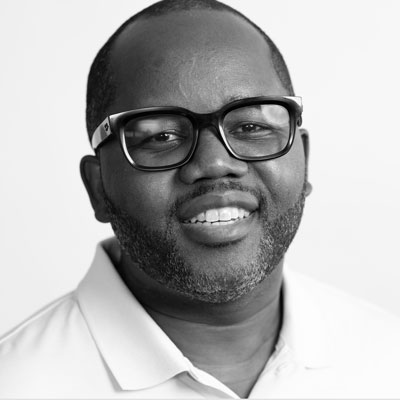
Larry is the Founder and Producer at Mammothic Films, with more than 15 years of production experience. He leads a team that creates story-driven videos for businesses and brands. A marketer, designer, and animator, Larry has overseen the production of more than 1,500 videos for Fujitsu, Logitech, Warner Brothers, NFL, Blockdaemon, Astronomer, Canonical, and 370+ other companies in Canada, the United States, and around the world.
Larry is a devout Christian who believes in placing God first, and that everything else is a blessing that comes from serving Him. When he’s not working, he’s hanging out with his wife and three kids, playing the piano, or sightseeing.
We use cookies to improve your experience on our site.
Manage your cookie preferences below:
Essential cookies enable basic functions and are necessary for the proper function of the website.