Get an estimate for your project in 60 seconds. No email required.

Get an estimate for your project in 60 seconds. No email required.
 By
Larry Mutenda
By
Larry Mutenda | What are good PSA video ideas? Good PSA video ideas pair one public issue with one simple video concept and one action. Strong examples include an animated vaccine video, a 15-second vaping fact video, a stroke signs video told from a witness’s view and a 30-second storm prep checklist. The best ideas for PSA videos show the viewer exactly what to do next. |
A PSA video idea is more than a topic. It is the subject plus the video concept: what is on screen or animated, the story, the format, the runtime and the one action the viewer should take.
This list groups 20 PSA video ideas into six categories: health, safety, social issues, the environment, community and digital life. For each idea we describe the video concept, then show one real PSA video that uses it and explain why that video works. For more campaigns and their measured results, see our roundup of 26 PSA campaigns.
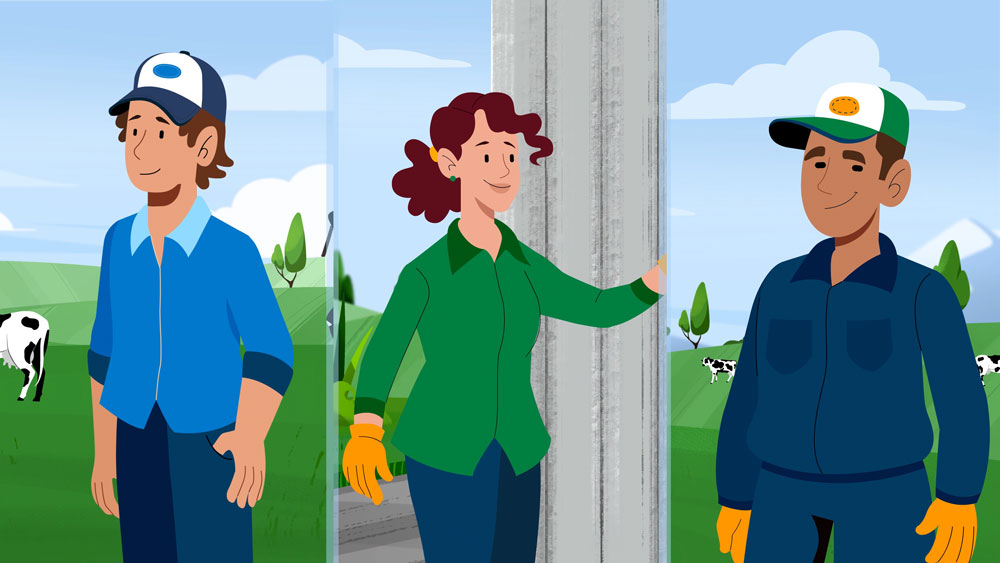
We picked subjects that public agencies and nonprofits return to year after year. Then we matched each one to a video concept with a clear format and a single action. Every example is either an official upload from the sponsor or a PSA video we produced.
We have made PSA videos and awareness videos for more than 15 years. Eight of the examples are animated videos from our own work. For those, we describe the communication challenge and the creative approach from the script itself.
A quick side-by-side before the full breakdown.
| # | Video idea | Format | Example runtime | Example video | Sponsor or client |
|---|---|---|---|---|---|
| 1 | Vaccine video | Animation | 1:44 | MMR vaccine | HSC Public Health Agency |
| 2 | Vaping fact video | Live action | 0:15 | The Real Cost | FDA |
| 3 | Policy video | Animation | 1:04 | Prescription assistance | Disability Rights Oregon |
| 4 | Mental health short film | Live action | 3:00 | Every Mind Matters | Public Health England |
| 5 | Stroke signs video | Live action | 1:46 | Witness | Heart & Stroke |
| 6 | Scam text animation | Animation | 1:32 | IRS scam warning | Accounting Aid Society |
| 7 | Phone habits spot | Live action | 0:30 | Phone Personalities | NHTSA |
| 8 | Wildfire mascot video | Mascot-led | 2:21 | Smokey Bear: Decades | USDA Forest Service / Ad Council |
| 9 | Storm prep checklist | Motion graphics | 0:32 | Be Prepared | FEMA |
| 10 | Survivor support walkthrough | Animation | 1:36 | Stand Informed | CLAS BC |
| 11 | 911 call video | Live action | 1:01 | Listen | NO MORE |
| 12 | Accessibility video | Animation | 3:18 | Workplace accessibility | Small Business BC |
| 13 | Real-stories video | Live action | 1:00 | What Makes Us Human | Ad Council |
| 14 | Timeline video | Animation | 2:13 | Stop Funding Overfishing | IISD |
| 15 | Anti-litter pride spot | Live action | 0:30 | Don’t mess with Texas | TxDOT |
| 16 | Food saving tips video | Live action | 0:59 | Rediscover the Value of Food | Love Food Hate Waste Canada |
| 17 | Database search video | Motion graphics | 1:11 | Money you might be owed | BC Unclaimed |
| 18 | Donor-focused film | Live action | 1:49 | The Embrace | Canadian Blood Services |
| 19 | Online safety animation | Animation | 1:31 | BlockHate | YWCA Canada |
| 20 | Sextortion warning | Direct address | 0:32 | Financial Sextortion is a Crime | FBI |
An animated vaccine video works when it answers the one question parents actually ask. It also gives them the ages, the place and the cost, so nothing is left to look up.
The video concept: 2D animation, 90 seconds to two minutes. Open on the parent’s question. Explain the disease in plain terms. Answer the safety question with one number. End on one action: book the dose.
Client: HSC Public Health Agency, Northern Ireland.
Project type: 2D animated public health video, 1:44.
Communication challenge: Explain why the MMR vaccine matters during measles outbreaks, and answer the safety question parents ask.
Creative approach: The script opens on the question parents ask: why is the MMR vaccine important for you and your family? Then it describes measles in plain terms.
It told families the free doses were offered at 12 months and at three years and four months. It answers the safety question with a number. More than 500 million doses have been given in over 100 countries in the last 40 years.
Update: Northern Ireland changed its childhood schedule in January 2026. It now uses the MMRV vaccine and has added an 18-month appointment. The timing depends on the child’s date of birth. See the Public Health Agency’s schedule change notice.
A 15-second vaping video for teens should carry one concrete fact about what is in the product. Teens tune out warnings about disease decades away. One specific, unpleasant comparison is harder to ignore.
The video concept: Live action, 15 seconds, made for social feeds. Show one ordinary object that shares a chemical with a vape. State the fact once. End on one action: don’t start, or get free help to quit.
The Real Cost is the youth tobacco prevention campaign from the US Food and Drug Administration. This 15-second video says vaping can expose teens to formaldehyde. Then it shows that the same chemical keeps taxidermied animals looking the way they do.
It swaps a health lecture for a single comparison. Fifteen seconds is enough for one fact, and one fact is all it tries to say.
By the numbers: The FDA reports that The Real Cost prevented an estimated 444,252 youth aged 11 to 17 from starting e-cigarette use between 2023 and 2024. The study was published in the American Journal of Preventive Medicine.
An animated policy video makes a hidden system visible, then asks for one specific change. Most people never see the rule until it costs them money.
The video concept: 2D animation, about one minute. Animate the patient’s bill so the viewer sees the problem. Add one line of moral framing. End on one action: support the policy and visit one page to learn more.
Client: Disability Rights Oregon.
Project type: 2D animated advocacy video, 1:04.
Communication challenge: Explain an insurance change most patients don’t know about, then make one policy ask.
Creative approach: Plain explanation first. Some insurers stopped counting drug-maker financial assistance toward out-of-pocket costs. Patients often find out mid-year, when they are on the hook for thousands of dollars in refills.
One line of moral framing follows: nobody should have to choose between life-saving medication and putting food on the table. Then comes the ask. Oregon should stop insurers from pocketing assistance meant for patients.
A short mental health film works when it treats mental health as something everyone has. It then offers small steps people can take today.
The video concept: Live action, two to three minutes, for web and social. Show ordinary people in everyday moments that affect how they feel. Move to simple, practical steps. End on one action: check in on yourself or a friend, with a free resource or helpline on the end card.
Every Mind Matters is a mental health campaign that Public Health England launched in October 2019. This three-minute short film introduces it. The campaign helps people take simple steps to look after their mental health and support others.
The film frames mental health as universal. That framing lowers the stigma. It also moves the viewer toward practical steps rather than a diagnosis.
By the numbers: A study in the European Journal of Public Health found that 43.2% of people surveyed were aware of the campaign in late 2019. Awareness fell to 18.1% by September 2020.
A stroke signs video told from the witness’s point of view casts the viewer as the person who has to notice. The message has to be easy to recall under stress.
The video concept: Live action, under two minutes. A bystander sees the signs in someone nearby. On-screen text builds a short acronym one letter at a time. End on one action: call 9-1-1 right away.
Witness is a 1:46 Heart & Stroke video that teaches the FAST signs of stroke. FAST stands for Face drooping, Arms that can’t both be raised, Speech that is slurred or jumbled and Time to call 9-1-1.
An acronym turns a medical checklist into four letters anyone can recall. The title casts the viewer as the witness, the person who has to notice.
By the numbers: Heart & Stroke reports that awareness of the FAST signs has doubled in Canada in almost a decade.
A character animation about a fake tax text teaches people how a real agency contacts them. Once viewers know the rule, a fake message stands out.
The video concept: 2D character animation, about 90 seconds. One character gets the fake message. A relative explains the rule. End on one action: don’t reply, check through an official channel and get free help if needed.
Client: Accounting Aid Society, a nonprofit tax clinic.
Project type: 2D character animation, 1:32.
Communication challenge: Warn people about fake IRS messages and tell them what the IRS really does.
Creative approach: Todd gets a text claiming to be from the IRS. His cousin Ruby got one last year. The warning arrives as a family conversation.
The script gives one clear rule. It says the IRS will never contact you by text, email, social media or phone, only by mail. If a letter comes, read it carefully and respond. The video ends with where to get free help.
Correction: The rule in this video is out of date. The IRS says it usually contacts people first by mail. It may also call. It only emails or texts people who have opted in. A social media message is never from the IRS. See how to know it’s really the IRS.
A 30-second distracted driving spot should show drivers their own phone habits, not a stranger’s crash. Most drivers already know phone use is risky. The video has to make them recognize themselves.
The video concept: Live action, 30 seconds, for TV and pre-roll. Cut quickly between everyday ways people use a phone at the wheel. Show where each one leads. End on one action: put the phone away before you start driving.
Phone Personalities is a 30-second spot from the National Highway Traffic Safety Administration’s Put the Phone Away or Pay campaign. It runs through the many ways people use a phone while driving. Then it shows where each one leads: a crash, a ticket or someone else killed.
Viewers see themselves in at least one of the habits. The campaign also pairs its ads with police enforcement, so the warning has a real cost behind it.
By the numbers: NHTSA reports that 3,208 people were killed in crashes involving distracted drivers in 2024.
A wildfire prevention video led by a familiar mascot makes a long-running message easy to recognize. Most wildfires start with people, so the video speaks to behaviour.
The video concept: Animation or a costumed character in live action, 30 seconds to two minutes. The character models one fire safety habit, such as putting out a campfire. End on one action: put campfires out completely and follow local fire bans.
Decades is a 2:21 Smokey Bear video from the USDA Forest Service, the National Association of State Foresters and the Ad Council. Smokey has carried the wildfire prevention message for more than 80 years.
One familiar character makes a long campaign easy to recognize. The line “Only you can prevent wildfires” puts the responsibility on the viewer.
By the numbers: Smokey Bear began in 1944 and is the longest-running public service advertising campaign in US history. The Ad Council says nearly nine out of ten wildfires in the US are caused by humans.
A 30-second storm prep video turns an uncertain threat into a short checklist. Nobody feels a disaster until it is here, so the video gives people tasks they can finish today.
The video concept: Motion graphics or live action, about 30 seconds. Admit what is uncertain. Put three tasks on screen. End on one action: make a plan and sign up for emergency alerts.
Be Prepared is a 32-second FEMA PSA about getting ready for a storm. It admits that the storm’s exact path is uncertain. Then it lists what is certain: the steps you can take.
It turns an uncertain threat into three concrete tasks. Make a plan. Download emergency alerts to your phone. Talk with family, friends and neighbours. It then sends viewers to Ready.gov for more.
By the numbers: FEMA’s Ready campaign launched in 2003. The Ad Council reports that Ready.gov has drawn more than 100 million unique visitors since then.
A calm animated walkthrough shows survivors exactly what happens when they reach out for help. Tone matters most here. The video has to feel safe before it asks for anything.
The video concept: Animation with no identifiable people, 90 seconds to two minutes. State what is not required first. Walk through the process step by step. End on one action: call or email for free, confidential help.
Client: CLAS BC, for its Stand Informed service.
Project type: Animated awareness video, 1:36.
Communication challenge: Tell people who have experienced sexual assault in BC that free legal advice exists, and remove the reasons they might not call.
Creative approach: The script leads with what is not required: no gender, age, race or immigration status requirements, and no police report.
“What happened is not your fault” sits near the top. Then the script walks through the process step by step, from the intake call to up to three hours of legal advice. With a subject this hard, predictability is what a script can offer.
An audio-led video built on a 911 call lets the audience hear abuse without seeing it. It speaks to bystanders, because the person being harmed may not be able to speak freely.
The video concept: Live action with no actors on screen, 30 to 60 seconds. The camera moves through a home while the audio carries the story. End on one action: learn the signs, listen and know who to call.
Listen is a NO MORE PSA that aired during Super Bowl XLIX in 2015. It replays a 911 call in which a woman pretends to order a pizza because her attacker is still in the house. The call is a reenactment inspired by real stories.
There are no actors on screen. You see a damaged home and hear the call. The closing line says it plainly: when it’s hard to talk, it’s up to us to listen.
By the numbers: NO MORE describes it as the first Super Bowl ad to address domestic violence and sexual assault. NBC Bay Area reported more than 482,000 YouTube views within days of its release.
An animated accessibility video shows employers what barriers look like in everyday places. Many business owners have never thought about them.
The video concept: 2D animation, two to three minutes, for websites and training sessions. Open with a question. Show everyday barriers. Name the types. End on one action: spot one barrier in your workplace and remove it.
Client: Small Business BC.
Project type: Animated awareness video, 3:18.
Communication challenge: Define workplace accessibility for employers who may not have thought about barriers.
Creative approach: It opens with a question: what do you think accessibility means? Then it defines barriers with everyday examples, like a cafe you can’t get into or a document with type too small to read.
Over 20% of British Columbians identify as having a disability. The script puts that number early, so the viewer sees the scale first. Then it names five kinds of barriers: communication, technology, attitudinal, systemic and environmental.
A real-stories video about shared humanity challenges bias without scolding the viewer. It works on bias based on race, religion, disability, age or who people love.
The video concept: Live action in a documentary style, 60 seconds. Real people tell short true stories of connection across differences. End on one action: notice your own assumptions and treat people with respect in everyday moments.
What Makes Us Human is a 60-second PSA from the Ad Council’s Love Has No Labels campaign. It uses real stories to show that human connection is innate, not rare.
The idea is that differences can never change what makes us human. It speaks to people who feel isolated as well as to people who hold biases.
By the numbers: The campaign’s first video passed 100 million views within about two months of its 2015 launch, according to the Ad Council.
An animated timeline video makes a slow policy process feel urgent. Ocean and fisheries topics are technical. A timeline shows how long the problem has been waiting.
The video concept: Animated infographics, about two minutes. Open with the stakes as one number. Walk through the history in order. End on one action: support an agreement to end harmful fishing subsidies.
Client: International Institute for Sustainable Development (IISD).
Project type: Animated awareness video, 2:13.
Communication challenge: Explain how government subsidies drive overfishing, and why a World Trade Organization agreement matters.
Creative approach: The script opens with the stakes. Over one third of the world’s marine fish populations are overfished.
It then walks through the history in order. The WTO had been negotiating for twenty years when the video was made. The UN set a 2020 target in Sustainable Development Goal 14. That deadline was missed. The script closes on why action cannot wait.
Update: This video was made before the agreement was finished. The WTO Agreement on Fisheries Subsidies entered into force on September 15, 2025.
A 30-second pride spot ties a clean place to local identity. Littering then feels like an insult to the place, not a small habit.
The video concept: Live action, 30 seconds. A well-known local figure delivers a short slogan. End on one action: hold on to your trash until you find a bin.
Don’t mess with Texas is the Texas Department of Transportation’s anti-litter campaign, launched in 1986. The Austin agency GSD&M created the slogan. This 30-second spot marks the campaign’s 40th anniversary and features Post Malone.
The slogan never uses the word litter. It turns a clean highway into a matter of pride, so littering feels like an insult to the state.
By the numbers: Smithsonian magazine reports that roadside litter in Texas fell 72% from 1986 to 1990.
A one-minute food saving tips video invites viewers to add their own tips. Tips work better than guilt on this subject.
The video concept: Live action, about one minute. Show ordinary people saving food at home. Invite the viewer to share a tip. End on one main action: share a food saving tip. Planning meals, storing food well and using up leftovers are the supporting steps.
Rediscover the Value of Food is a one-minute Love Food Hate Waste Canada video, shared by Metro Vancouver. It invites people to share their own food saving tips and recipes.
It makes the viewer part of the solution. A tip from a neighbour feels easier to try than a statistic.
By the numbers: The National Zero Waste Council launched Love Food Hate Waste Canada in 2018. The campaign says it has reached over 20 million Canadians.
A motion graphics video that shows one database search is the simplest benefit PSA you can make. Not every PSA is about risk. Some tell people about money or property they are owed.
The video concept: Motion graphics, about one minute. No characters. Show the search box and the result on screen. End on one action: search the database for your name.
Client: BC Unclaimed.
Project type: Motion graphics video, 1:11.
Communication challenge: Explain what unclaimed money and property are, and get people to search for money they may be owed.
Creative approach: There are no characters and no story. The one action the viewer needs to take is a database search, so that is what the video shows.
A benefit PSA has a different job from a warning. The viewer has nothing to fear and something to gain. The video only has to make the next step obvious.
A donor-focused film gives first-time blood donors a personal reason to book. Most donation videos focus on the patient instead.
The video concept: Live action short film, under two minutes. Follow a donor, not a patient. Show what giving means to them. End on one action: book a donation appointment.
The Embrace is a 1:49 Canadian Blood Services film from its “Who’s Saving Who?” platform, launched in May 2026. It tells the story of what donors get when they give.
Turning to the donor’s own experience is the whole idea. That gives a first-time donor a reason that is about them.
By the numbers: Canadian Blood Services says only 2% of eligible Canadians donate. It aims to recruit one million new donors by 2030.
An animated online safety video for young people names the harms plainly without scaring them off. The audience is the group most at risk.
The video concept: 2D animation, about 90 seconds, sized for social feeds. Admit that digital life is exciting and nerve-wracking. Name the harms. Reassure before you share the research. End on one action: learn the risks and know how to respond.
Client: YWCA Canada.
Project type: 2D animated awareness video, 1:31.
Communication challenge: Explain online hate to young people without scaring off the audience the project is trying to protect.
Creative approach: The script admits digital life is exciting and nerve-wracking at the same time. Then it names the harms plainly: sharing intimate or fake images without consent, stealing personal information and harassment.
“Everyone is vulnerable, and you are not alone” comes before the research on who gets targeted most. The goal it sets is simple. Be aware of possible dangers and be prepared to respond.
A 30-second direct-address video speaks to the sextortion target and gives two clear actions. Shame keeps many targets quiet. The video has to say plainly that help exists.
The video concept: Direct address to camera or on-screen text, about 30 seconds, with no graphic detail. Name the scheme. Say that help exists. End on one action: stop contact, don’t pay and report it.
Financial Sextortion is a Crime is a 32-second FBI PSA. It urges targets to cut off contact and report what happened at tips.fbi.gov.
It speaks to the target directly and gives two actions. It avoids graphic detail, so the focus stays on what to do next.
By the numbers: The FBI says victims are typically boys aged 14 to 17, but any child can become a victim.
The strongest PSA video ideas share five traits. They matter more than the subject itself.

Each video asks for one behaviour inside a large issue. “Book the MMR dose” works better than “support public health.” A viewer can do one thing. A viewer can’t fix an issue.
The concept has to reach the people who can do something. The stroke video speaks to witnesses. The phone habits spot speaks to drivers. The sextortion video speaks to the target.
Every video above ends with somewhere to go: a website, a phone number, an appointment or a plan. Without a next step, the message fades.
A health agency, a familiar character or a peer can carry a message a stranger can’t. Smokey Bear has carried one message for more than 80 years.
Scams and vaping can take a sharp or funny tone in live action. For sexual assault and online hate, calm animation is often a good fit. It can protect identities and show hard situations with no one on camera. Carefully planned live action can work too. The subject sets the format, and the format decides whether people keep watching.
Good PSA video ideas for students cover issues they see every day. A 15-second vaping fact video, an animated online safety video, a phone habits spot and a food saving tips video all work well. Pick one behaviour and one action a classmate could take this week.
Start with the behaviour you want to change and the people who can change it. Then pick a format and runtime, and write one action for the end card. Our guides on writing a PSA video script and making a PSA video walk through each step.
Long enough to state the problem and the action, and no longer. The videos on this page run from 15 seconds to just over three minutes. Short spots suit TV and social media. Longer videos suit websites and training sessions.
Animation suits abstract or sensitive subjects like insurance rules, legal help or online hate, because no one has to appear on camera. Live action suits subjects where real people and places carry the message. Our overview of types of PSA videos compares the formats.
Governments, public health agencies and nonprofits make most PSA videos. Some come from coalitions or from public bodies like blood services. We have produced over 100 nonprofit videos, and our nonprofit video production page shows how we work.
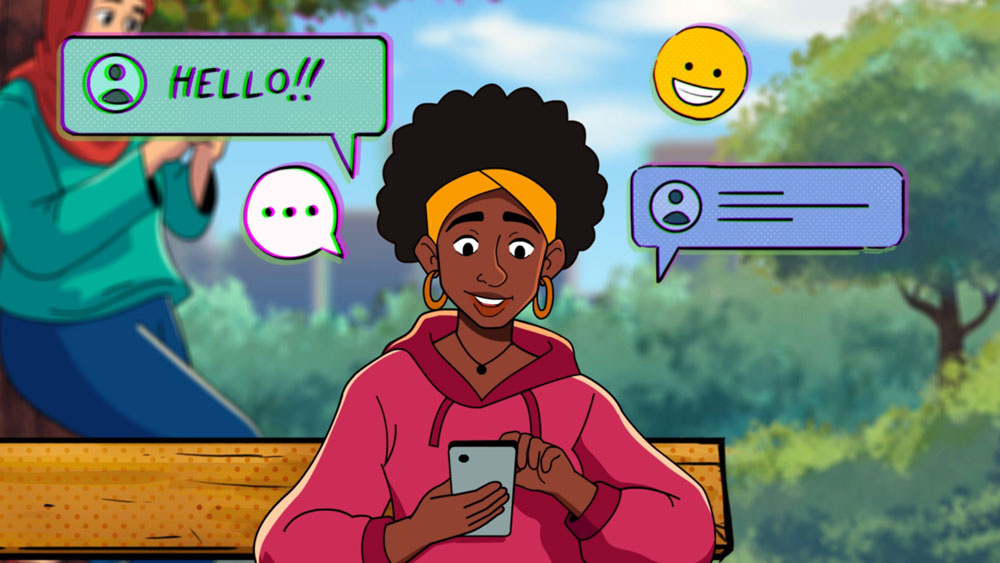
The best PSA video ideas are not always about the biggest issues. They pair a clear subject with a video concept that shows people one thing to do. An animated explainer, a 15-second fact spot and a 30-second checklist can all do that.
Choose the subject, then the one action. Then decide the format, the runtime and who the audience trusts on screen. The video follows from those choices.

Larry is the Founder and Producer at Mammothic Films, with more than 15 years of production experience. He leads a team that creates story-driven videos for businesses and brands. A marketer, designer, and animator, Larry has overseen the production of more than 1,500 videos for Fujitsu, Logitech, Warner Brothers, NFL, Blockdaemon, Astronomer, Canonical, and 370+ other companies in Canada, the United States, and around the world.
Larry is a devout Christian who believes in placing God first, and that everything else is a blessing that comes from serving Him. When he’s not working, he’s hanging out with his wife and three kids, playing the piano, or sightseeing.
We use cookies to improve your experience on our site.
Manage your cookie preferences below:
Essential cookies enable basic functions and are necessary for the proper function of the website.