Get an estimate for your video project in less than a minute.

Get an estimate for your video project in less than a minute.
Videography is the work of planning, filming, and editing video. This guide explains what professional videography actually involves, the main types and what each one is for, and how to hire the right videographer or production company in Canada or the US.
| What is videography? Videography is the work of planning, filming, recording sound and editing video into a finished piece. The main types are corporate and brand, commercial, event, training, wedding, product, real estate and drone video. Cinematography is the narrower camera and lighting craft within it. Mammothic Films is based in Vancouver and works with clients across Canada and the US. |
It’s written for people trying to understand the subject and decide what they need, not for people learning to shoot.
By the end you’ll know the difference between a videographer, a cinematographer, and a production company, what happens across a shoot, what you should receive at the end, and the questions worth asking before you commission anything.
Videography is the process of capturing video and turning it into a finished piece. That covers planning the shoot, running the camera, recording sound, setting the lighting, and then editing the footage into something with a clear point.
The word covers a lot of ground. The same core skills sit behind a short commercial, a company brand film, an event recording, and a training video, but each one needs its own planning, crew, and treatment. What separates professional work from casually recording on a phone is not one thing. It’s the combination of a clear goal, proper planning, a capable crew, controlled lighting, clean sound, someone directing the content, solid technical execution, and a considered edit. Each of those adds something, and together they are why professional video looks and sounds the way it does.
A videographer does far more than hold a camera. The camera work is the visible part, but most of the job happens around it.
On a typical project a videographer interprets the brief and works out how to cover the story, plans the shots, and sets up and operates the camera. They also handle or oversee sound and lighting, since both matter as much as the picture. During the shoot they direct or work with the people on camera, keep an eye on continuity, and capture B-roll, which is the supporting footage that gives an edit texture and options. Afterwards they manage the footage and data, and on many projects they edit the final video as well. On larger shoots these tasks split across a crew, which is where a production company comes in.
These terms get used loosely, and it helps to know what each one really means before you compare quotes.
Videography is the broad term for capturing and producing video of almost any kind. Cinematography is a narrower craft within that: the art of camera and lighting used to shape how something looks on screen, usually led by a cinematographer or director of photography. The distinction is about the work, not about crew size or budget. A one-person videographer can shoot with real cinematographic skill, and a large crew can produce plain, functional footage. When a studio describes its work as cinematic, it’s talking about that visual craft, not a separate profession.
Videography captures motion and sound. Photography captures a single still moment. Video carries pacing, voice, and music, which makes it good for telling a story or showing how something works. Photography is quicker to produce and easier to use in print or on a website. Plenty of projects want both, like a wedding, a property listing, or a product launch, but they’re different jobs that often call for different people and different gear.
The practical question most buyers face is whether to hire an individual videographer or a video production company. A videographer is usually a solo operator or a small crew who films and often edits. A production company assembles the right specialists around a brief, which can include a producer, a director, a director of photography, camera operators, lighting and sound, and an editor.
An individual is a good fit for smaller shoots, interviews, straightforward events, and quick-turnaround web or social video. A production company suits larger commercial, corporate, and campaign work, anything with a scripted concept or casting, and projects that need several deliverables from one shoot. The table below sums up the difference.
| Provider | What it is | Best suited to |
|---|---|---|
| Videographer | An individual or small crew who films and often edits | Interviews, smaller events, testimonials, quick-turnaround web and social video |
| Cinematographer / DP | A specialist who leads the camera and lighting to shape the look | Projects where the visual look is central, often as part of a larger crew |
| Video production company | A team that builds the right roles around a brief | Commercials, brand films, corporate campaigns, and multi-deliverable projects |
Videography splits into a few distinct types, each built around a different audience and goal. Working out which one you need is the fastest way to a useful quote and the right crew.
Corporate and brand video helps a company communicate with customers, staff, or investors. It covers brand storytelling, executive and internal communication, recruitment films, customer and case-study stories, and videos that explain a product or company. Most of this work is built from interviews and B-roll, shaped in the edit into a clear narrative. Learn more about corporate video production.
Commercial video supports a marketing goal, whether that’s driving a sale, building awareness, or shaping how a brand is seen. The work usually involves a concept, casting, art direction, and a director, then careful camera and lighting, a strong edit, and several versions cut for different placements.
Event videography captures something as it happens, like a conference, an AGM, a product launch, or a gala. It often means several cameras, live sound taken from the venue’s feed and dedicated mics, and a crew that can move around a busy room without getting in the way. You might end up with a full recording, a short highlight video, or individual speaker sessions to use later.
Training video turns processes, policies, and onboarding into something staff will actually watch, with clarity mattering more than spectacle. It may involve filming in an active workplace, but it can also use staged demonstrations, scripted scenarios, a presenter, or a controlled setup, depending on what the content needs. A good training video saves a lot of repeated in-person instruction.
Wedding and life-event videography captures personal milestones, like the ceremony and the moments people want to hold onto. It mixes documentary instinct with cinematic craft, because there’s no second take and the day only happens once.
Product video shows an item in use and explains why it’s worth buying. Depending on the product, that can mean studio tabletop setups, lifestyle footage with talent, straight demonstrations, or macro shots that pick out detail, usually with controlled lighting and sometimes specialized rigs for movement. It does a lot of work for online stores and launches.
Drone videography adds height and movement, with establishing shots and sweeping reveals a ground camera can’t get. It’s rarely a whole project on its own. More often it’s the layer that lifts a real estate, event, commercial, or wedding video. It’s regulated on both sides of the border: in Canada by Transport Canada, and in the US by the FAA. In practice that means a licensed pilot (a Transport Canada pilot certificate or an FAA Part 107 certificate), a registered drone, authorization to fly in controlled airspace or near people, and liability insurance. A professional operator handles all of it as part of the job.
Real estate video sits alongside these, selling a space by showing what it feels like to move through it, using walkthroughs, aerial shots, and a bit of neighbourhood context.
Every professional video moves through three stages. Knowing them helps you see where the quality comes from and what you’re paying for.
| Stage | What happens | What comes out of it |
|---|---|---|
| Pre-production | Brief, creative direction, script or shot list, scheduling, casting, locations, and a recce | A plan, shot list, schedule, and call sheet |
| Production | The shoot itself: crew, cameras, lighting, and sound, on location or in a studio | Recorded footage and audio |
| Post-production | Editing, colour, sound, graphics, captions, revisions, and exports | Finished videos in the versions and formats you need |
Pre-production is the planning. It covers the brief, the creative direction, scripting or a shot list, scheduling, any talent, locations, and a recce, which is a scouting visit to the location before the shoot. As a rule, the more complex, expensive, or logistically demanding a shoot is, the more this stage pays off. It’s what keeps an expensive shoot day running smoothly.
Production is the shoot itself, with the crew, cameras, lighting, and sound on location or in a studio across one or more days. A well-run shoot day is calm and organized, because the thinking already happened in pre-production. Crew size doesn’t decide whether the video looks good, but it does decide how much can happen at once: more specialized roles, faster setups, more camera coverage, and more that can be handled in parallel without slowing the day down.
Post-production is the edit, and it’s usually more involved than clients expect. It covers the picture edit, colour correction and grading, cleaning up and mixing the sound, adding graphics and titles, captions or subtitles, and working through revisions before the final files are exported. One shoot often produces several versions, like a long cut, short social edits, and different aspect ratios, and those extra versions are usually where a video earns its keep.
When a video looks expensive, it’s rarely down to a single camera. A handful of things do most of the work, and they’re worth knowing about because they’re what you’re really paying a crew for.
The picture comes from composition and framing, controlled lighting, and deliberate camera movement rather than handheld drift. The performances come from someone directing the people on camera and watching continuity from shot to shot. The polish comes from the edit: pacing, colour grading so everything matches and has a consistent look, and sound design and a clean mix so dialogue is clear and the whole thing feels finished. Art direction ties the look of the set, props, and framing together. Clean production sound, captured properly on the day, is one of the biggest and most overlooked differences between amateur and professional video.
Gear gets a lot of attention, but it’s most useful to understand what the equipment lets a crew do rather than as a shopping list.
Cameras and lenses set the look and give control over focus and depth. Lighting and grip gear let a crew shape the light rather than accept whatever the room gives them, which is the single biggest factor in making footage look intentional. Production sound gear, like lavalier and boom microphones and recorders, captures clean audio that can’t be fixed later if it’s missed. Stabilization gear such as tripods, gimbals, and sliders makes movement smooth and deliberate. Monitoring lets the crew check focus and exposure on set, and proper data management keeps the footage safe until it’s backed up.
The crew is where that equipment turns into results. Even a modest professional shoot separates the roles:
One skilled person can cover a simple job by wearing several of these hats. As the work gets more ambitious, splitting the roles buys specialization and speed, which is why a larger quote often includes a fuller crew.
Two building blocks show up in most corporate, brand, training, and documentary work, and they’re worth understanding because they shape the shoot.
An interview is more than pointing a camera at someone talking. It involves setting the eyeline, lighting the subject well, capturing clean sound, and often having an interviewer off camera to draw out natural answers. The interview carries the story, and the edit shapes those answers into a clear thread.
B-roll is the supporting footage that plays over or between the main content: people at work, close details, wide establishing shots, the product in use. It matters because it gives the editor options, hides cuts, and turns talking-head footage into something that holds attention. A shoot that gathers good B-roll is far easier to edit into a strong final video.
It’s worth being clear on what you actually receive at the end, because a single project often means several files. A typical delivery can include the master file at full quality, shorter cutdowns for social or ads, vertical and square versions for different platforms, captions or subtitles, and clean versions without text where you need them. Raw footage and project files can sometimes be included too, though that’s usually agreed separately. Getting this list straight up front avoids surprises, since the versions and formats you need affect both the shoot and the edit.
A clear brief is the fastest way to an accurate quote and a smooth project. Before you ask for a quote, it helps to be able to answer a few things: who the video is for, what it needs to achieve, the main message, where and roughly when it will be used, the deliverables you need, any location or access requirements, your timeline, and who signs off on approvals. You don’t need every answer polished, and a good studio will help you shape the brief, but the clearer you are on the goal, the closer the first proposal will land.
The best way to choose a videographer or production company is to look at relevant work and ask a few practical questions before you commit. A great wedding reel tells you very little about someone’s corporate work, so start by asking to see recent projects that match what you actually need.
From there, a few questions sort out fit and avoid problems later. Ask what crew the project needs and who will actually be on the shoot. Check that they carry liability insurance and can provide a certificate, since most corporate and venue shoots require one. Confirm they’ll handle any permits or licensing, including a certified pilot and airspace authorization for drone work. Ask how long the turnaround is, and get the revision terms in writing so you know how many rounds are included.
It’s also worth settling ownership and handoff up front. Ask what the final deliverables are, whether you receive the raw footage and project files, how any music is licensed, what usage rights you have for footage that features talent, and who can use which assets after delivery. A clear quote should spell out the crew, the shoot days, the deliverables, and these rights, so you can compare proposals on the same terms.
Mammothic Films is based in Vancouver and works with clients across Canada and into the United States, which is normal for a professional studio, since production travels to where the story is. A local base helps on nearby jobs. It means knowing the regional filming permits, knowing which locations look good on camera, and being able to scout in person before the shoot.
Work further afield, whether in another province or across the border, takes more planning than simply sending the same crew. A production on the road often combines a few travelling key crew with local crew, equipment rentals, and local production support, and it has to account for travel days, permit lead times, location scouting, and weather contingency. Cross-border shoots add a couple of considerations of their own, like moving gear through customs and sorting out the right work authorization for the crew. Handled well, the client gets the same standard on location wherever the shoot happens.
Much more than operate a camera. A videographer interprets the brief, plans the coverage, sets up and runs the camera, handles or oversees sound and lighting, directs the people on camera, captures B-roll, manages the footage, and on many projects edits the final video. On bigger shoots those jobs split across a crew.
An individual or small crew is a good fit for interviews, smaller events, and quick-turnaround web and social video. A production company suits larger commercial, corporate, or campaign work, anything with a scripted concept or casting, and projects that need several deliverables from one shoot. Match the provider to the ambition of the project.
Yes, and it usually should. A single well-planned shoot can produce a main film plus shorter cutdowns, vertical and square versions for social, and clips for other uses. Deciding on those deliverables before the shoot means the crew captures what each version needs.
A clear quote spells out the crew, the number of shoot days, the deliverables you’ll receive, the number of revision rounds, and the usage rights. If any of those are missing, ask, since they’re the things that most often differ between two proposals that look similar on price.
It depends on the scope, but a simple single-shoot project usually takes a few weeks from booking to final delivery, including the planning, the shoot, and the edit with revisions. Bigger productions with more shoot days, locations, or versions take longer. Because timelines vary, turnaround is worth confirming when you hire.
Start with recent work that matches your job, then confirm the crew, insurance, permits, turnaround, revisions, deliverables, and rights. Look for a quote that lays those out clearly, and match the provider’s proven strengths to what you actually need rather than judging on a single showreel.
Videography is a broad field, but your decision is fairly narrow. Work out the type of video your goal calls for, understand that professional quality comes from planning, crew, lighting, sound, and the edit rather than the camera on its own, and choose a videographer or production company whose relevant work and clear scope give you confidence. If you’re weighing up a project, get in touch to talk through your brief and the right production approach.

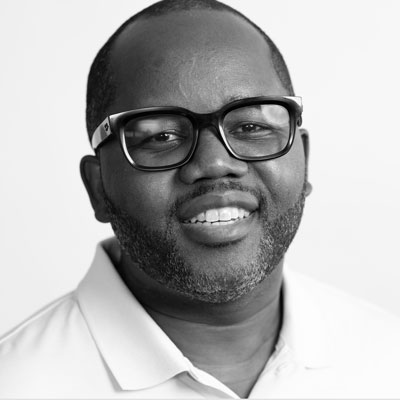
Larry is the Founder and Producer at Mammothic Films, with more than 15 years of production experience. He leads a team that creates story-driven videos for businesses and brands. A marketer, designer, and animator, Larry has overseen the production of more than 1,500 videos for Fujitsu, Logitech, Warner Brothers, NFL, Blockdaemon, Astronomer, Canonical, and 370+ other companies in Canada, the United States, and around the world.
Larry is a devout Christian who believes in placing God first, and that everything else is a blessing that comes from serving Him. When he’s not working, he’s hanging out with his wife and three kids, playing the piano, or sightseeing.
We use cookies to improve your experience on our site.
Manage your cookie preferences below:
Essential cookies enable basic functions and are necessary for the proper function of the website.
