Get an estimate for your video project in less than a minute.

Get an estimate for your video project in less than a minute.
01
Milk shows up in the fridge every day. How it gets there is a mystery to most kids. The City of Overland Park needed to explain a real biological process to a young audience. That meant a cow’s four-part stomach, nutrients in the blood and pasteurization. It had to stay accurate. It also had to stay fun for the whole story.
02
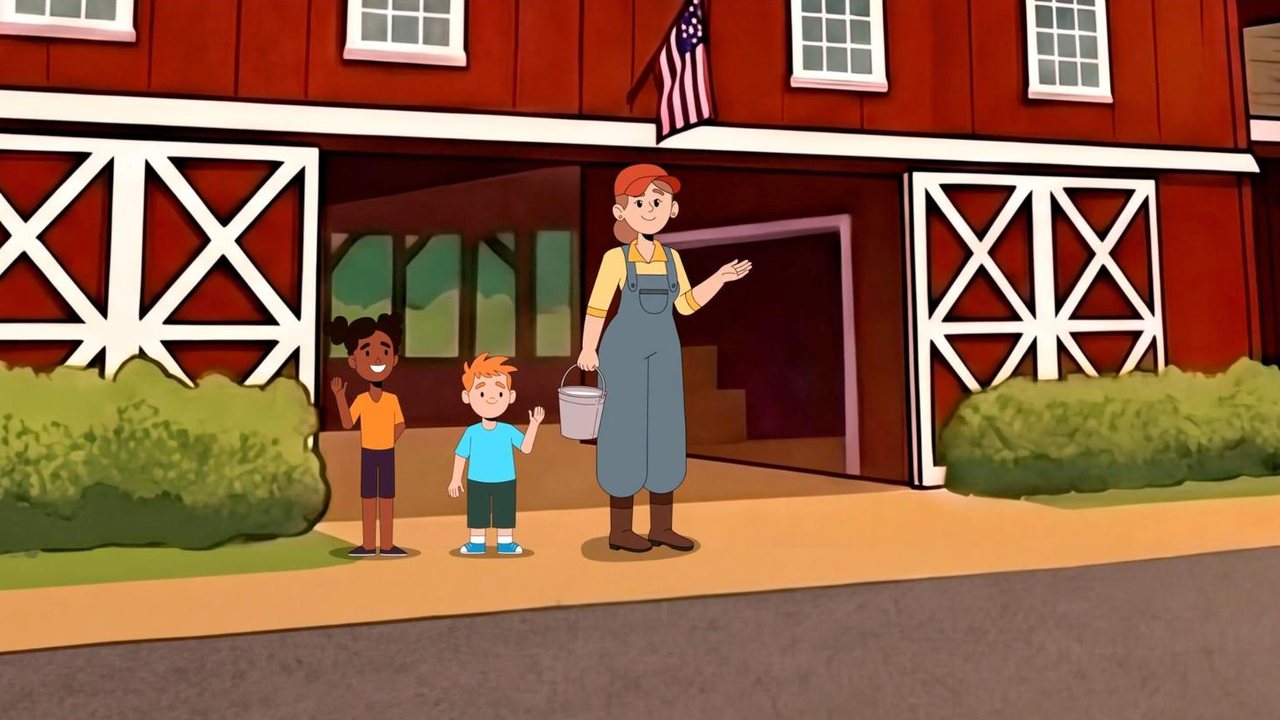
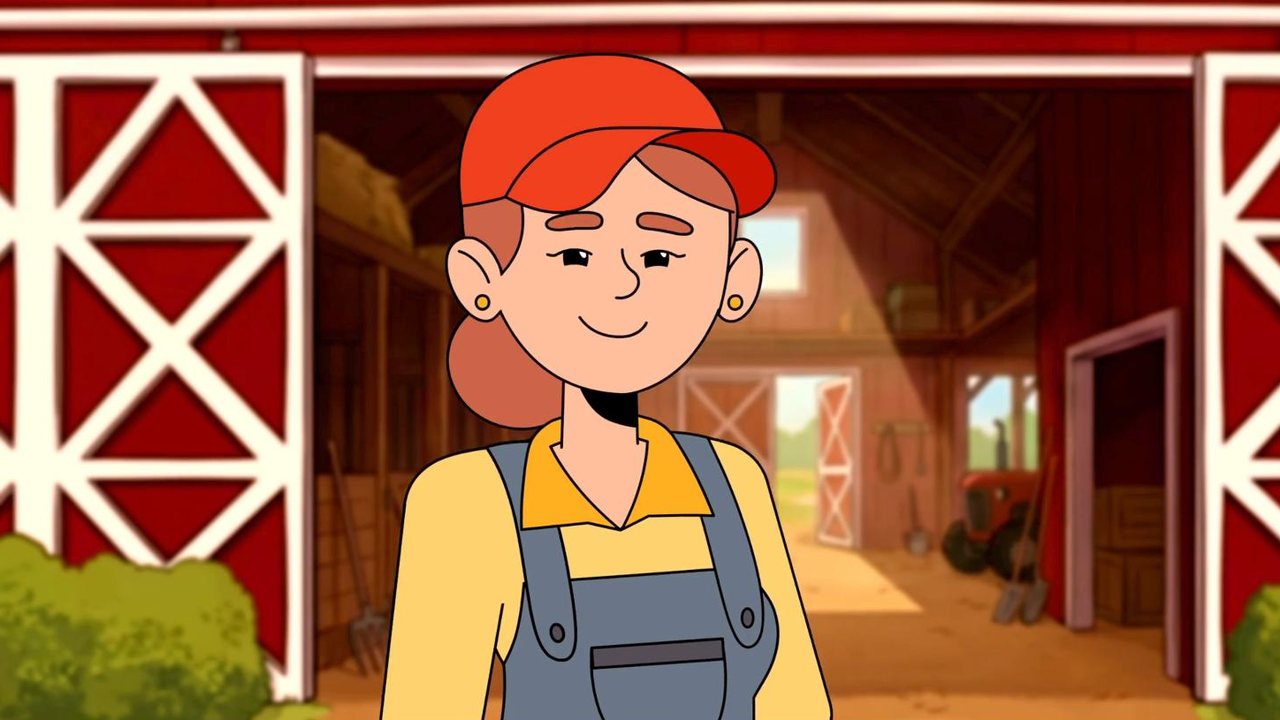
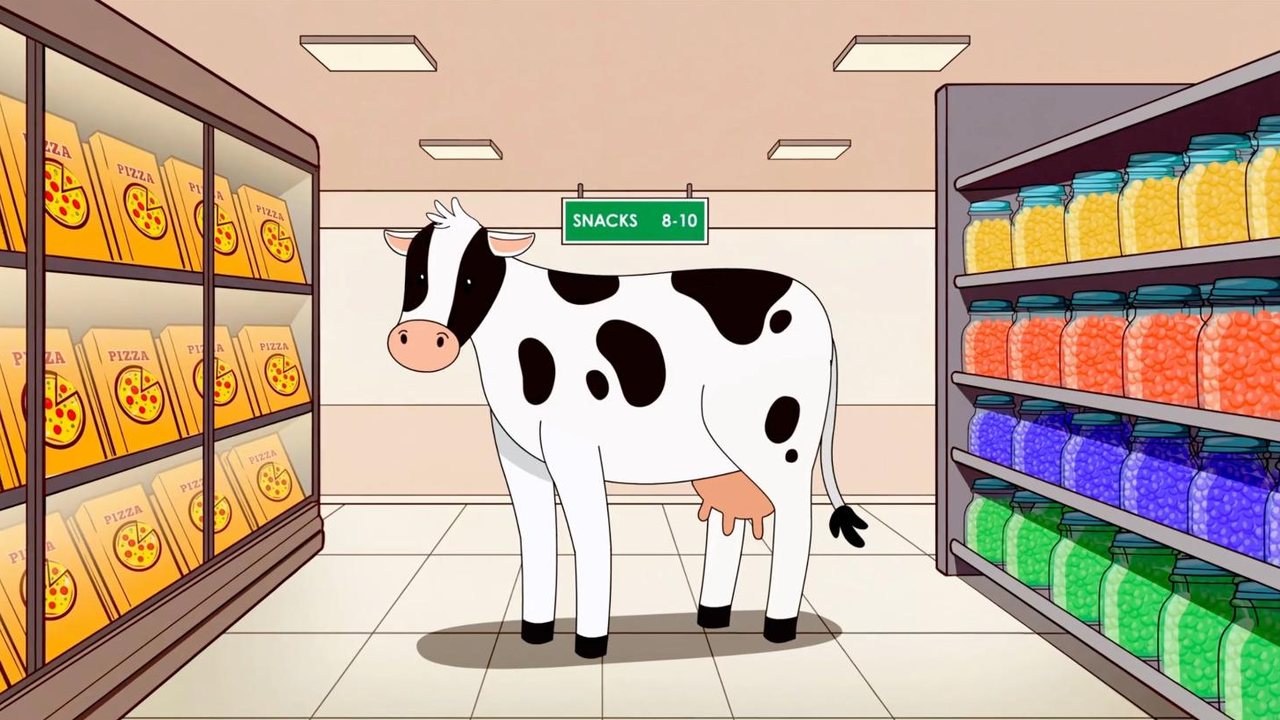
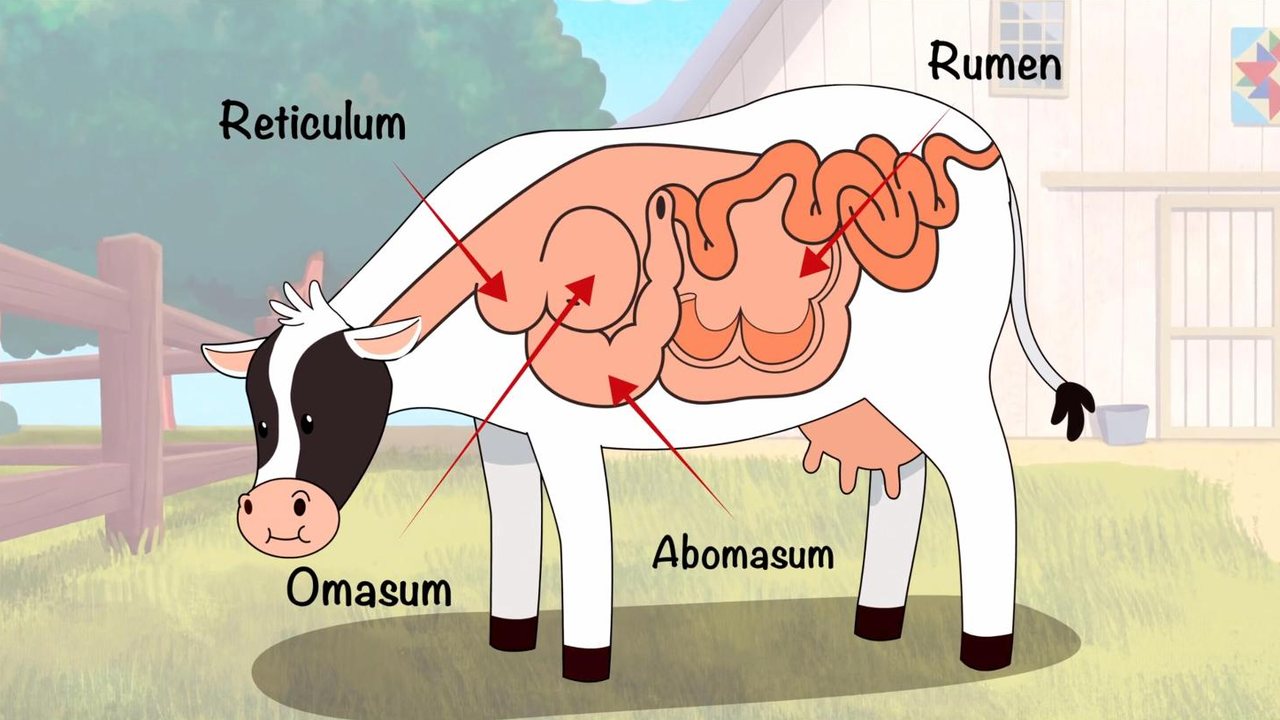
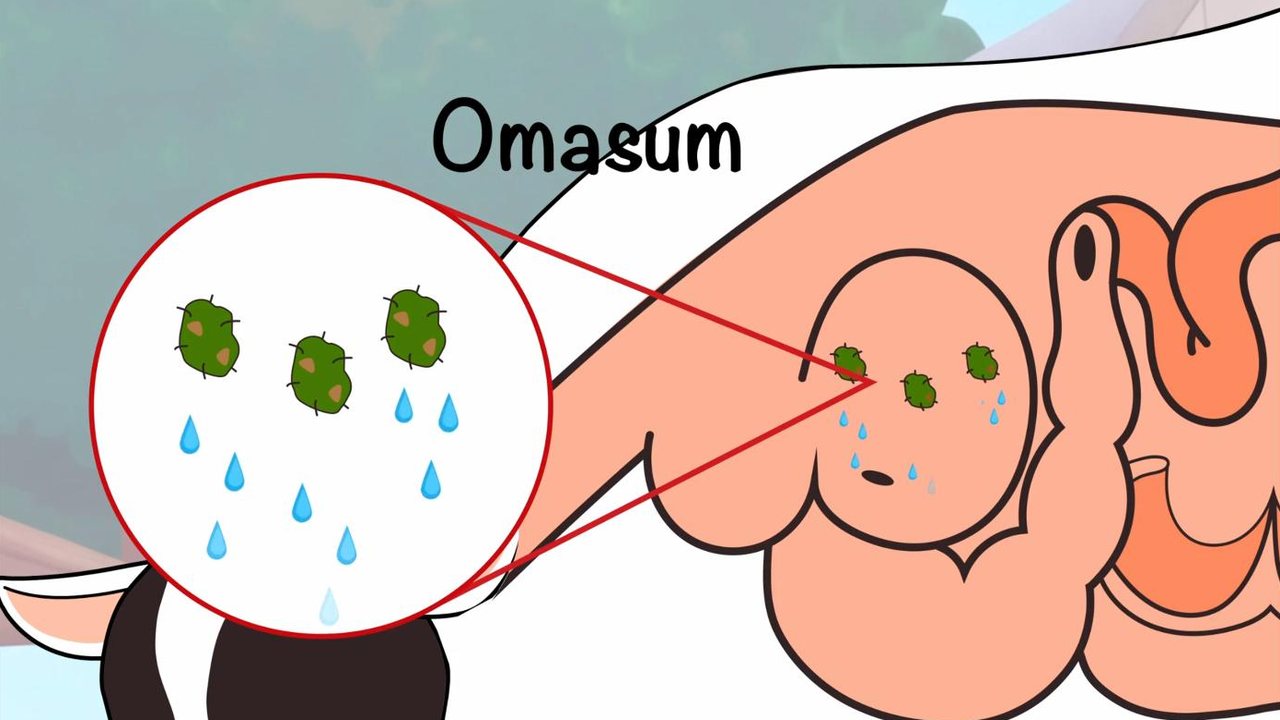
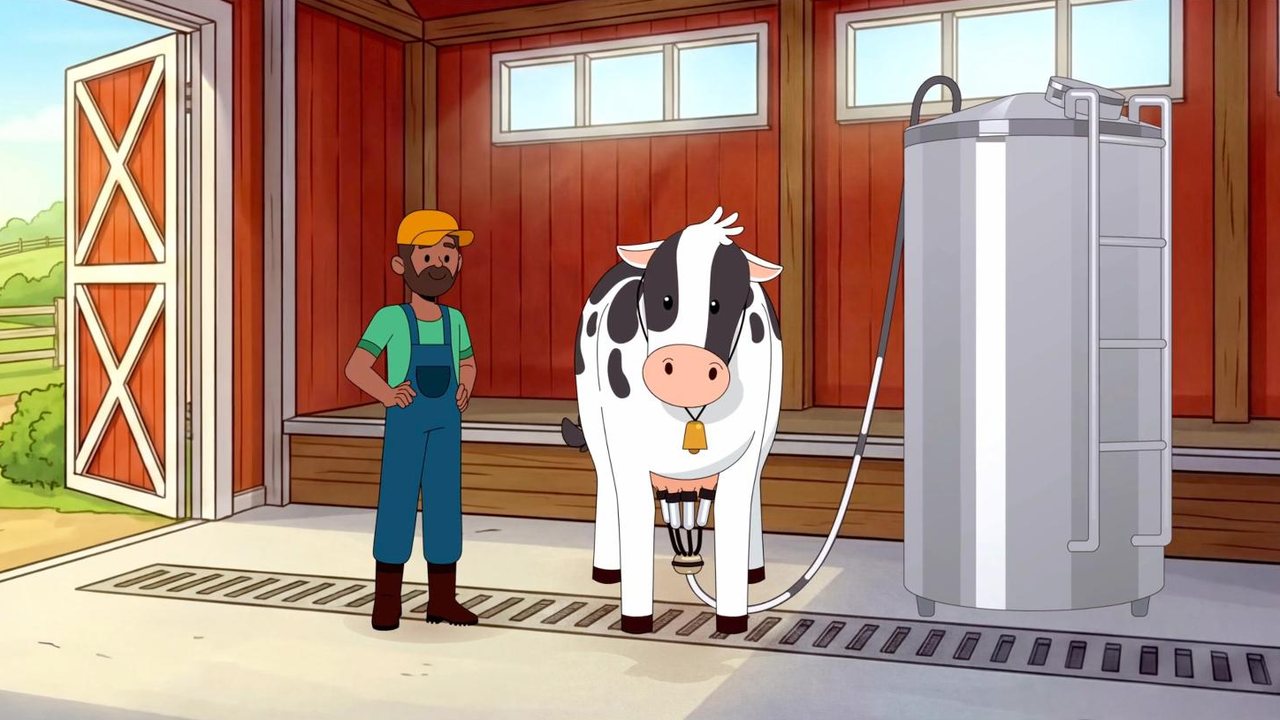
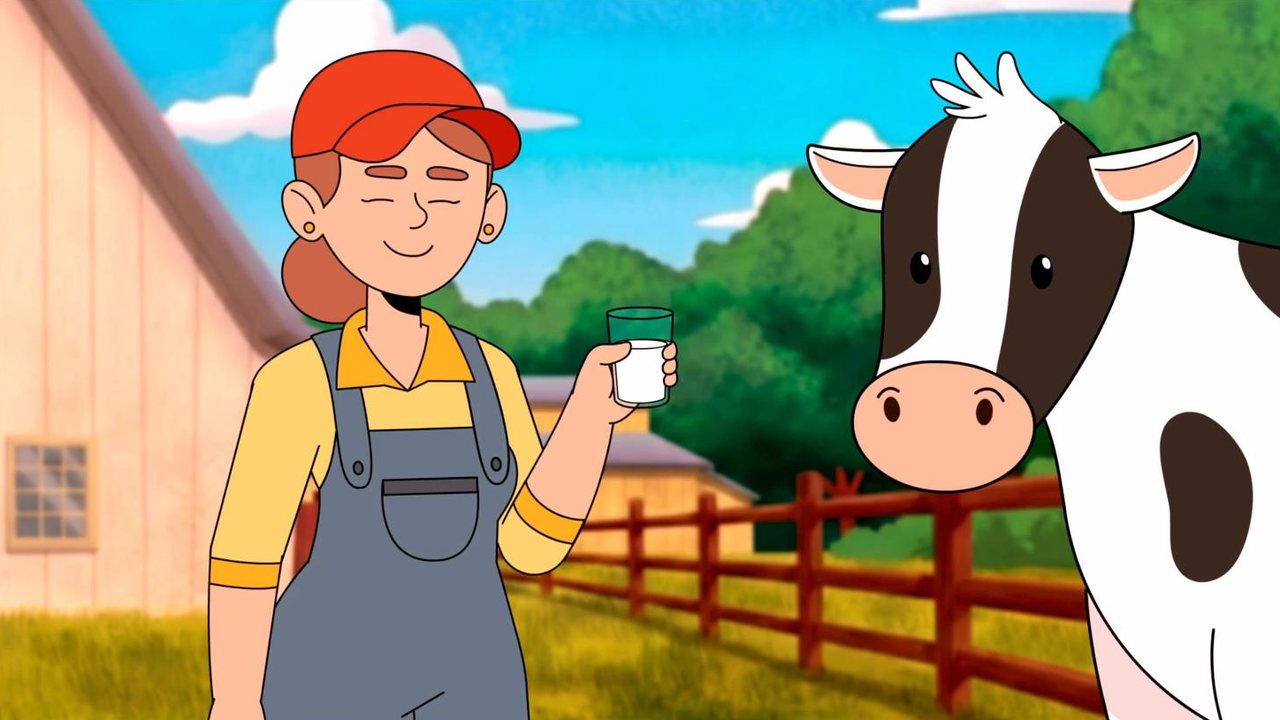
We built the story around one friendly guide. A farmer walks viewers from the barn to the bottle. Every step gets its own visual idea. A cow skips the grocery aisle. A chef serves her a balanced meal. A cutaway shows each stomach compartment at work. Bright characters keep the science light without losing the facts.
behind the project
Who the video is for, what the City asked for and what we made.
The City of Overland Park, Kansas runs the Deanna Rose Children’s Farmstead. It is a 12-acre educational farm that opened in 1978. Its dairy barn, ice cream parlor and Main Street give kids a look at farm life.
The City asked for an animated video about where milk comes from. The script speaks straight to young viewers. The City sent photos of the Farmstead’s dairy barn, milking stanchions, ice cream parlor, schoolhouse and Main Street for reference.
One 2:50 animated video. We handled:
the story in eight stops
The script turns one nutrient into the main character. Here is the path it takes, frame by frame.
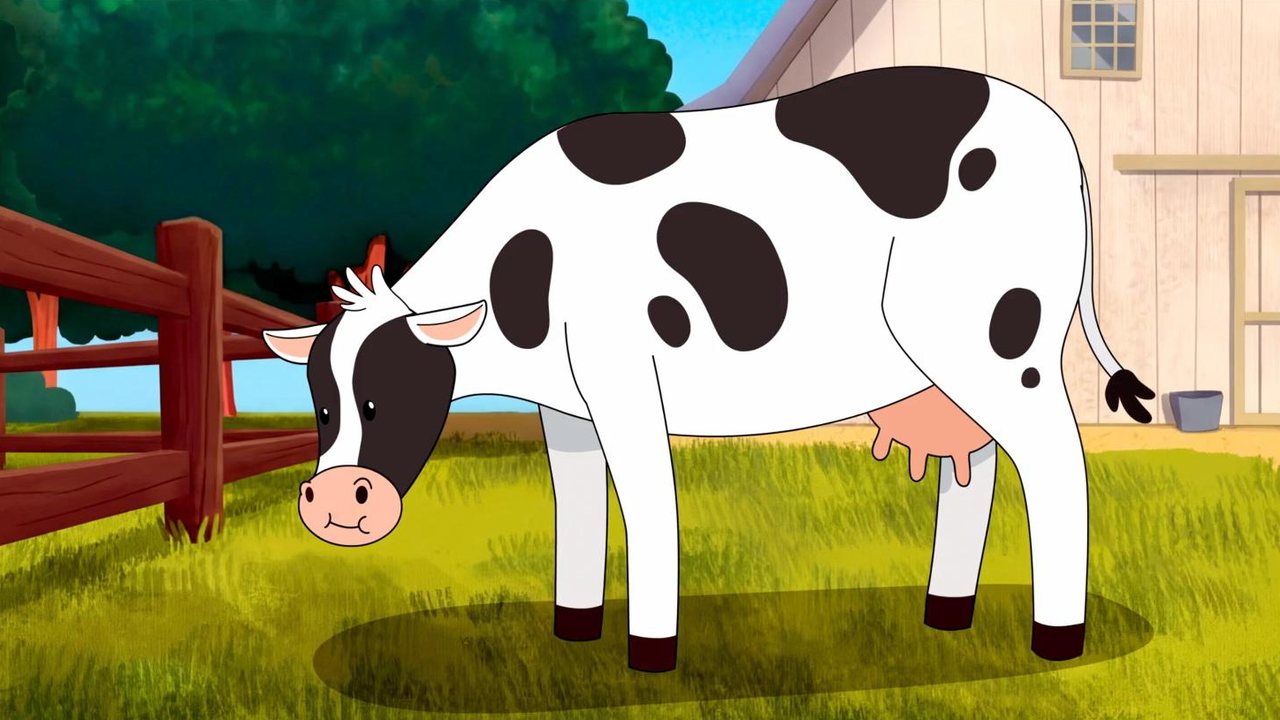
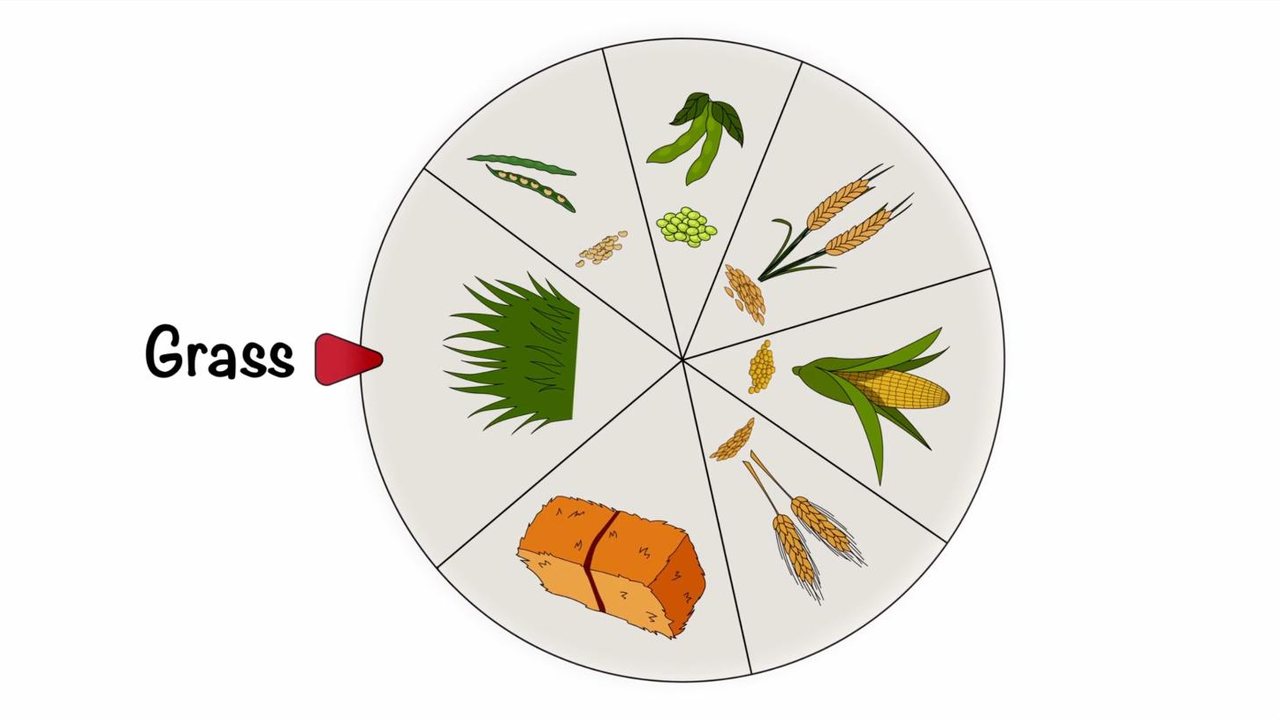
Hay, grass, grains and protein-rich seeds.
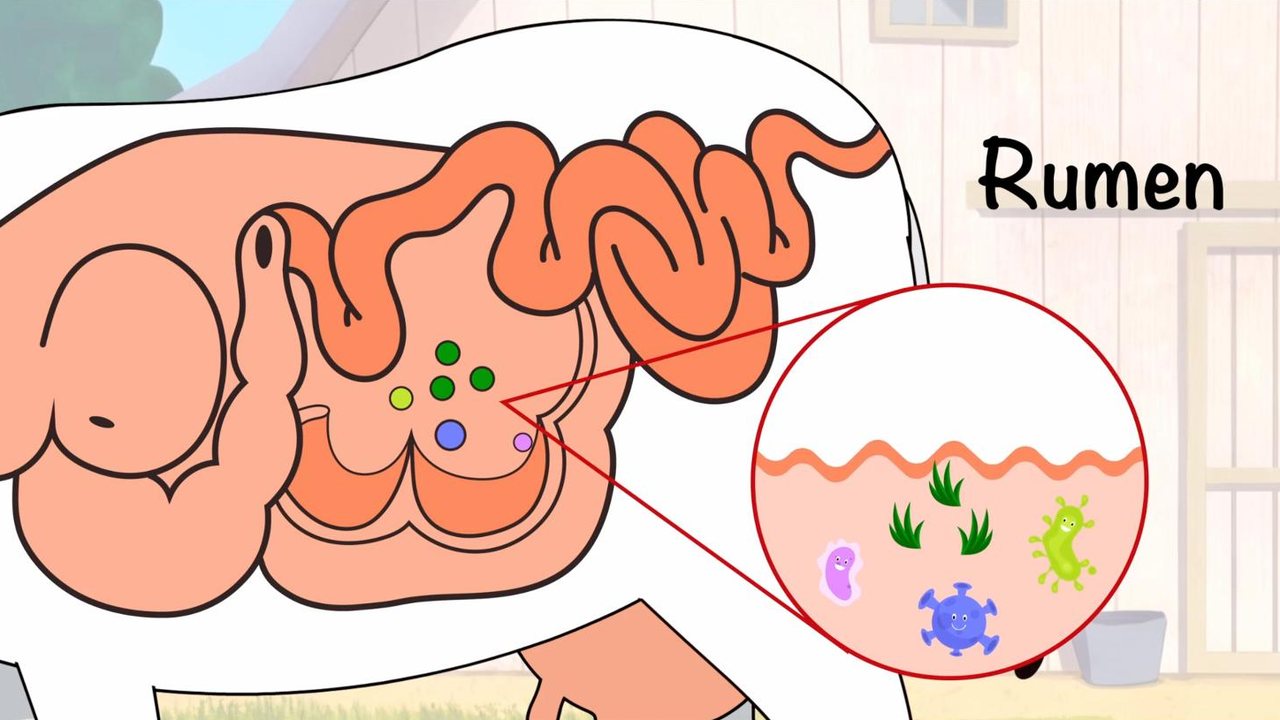
Half-chewed food meets digestive juices and friendly bacteria.
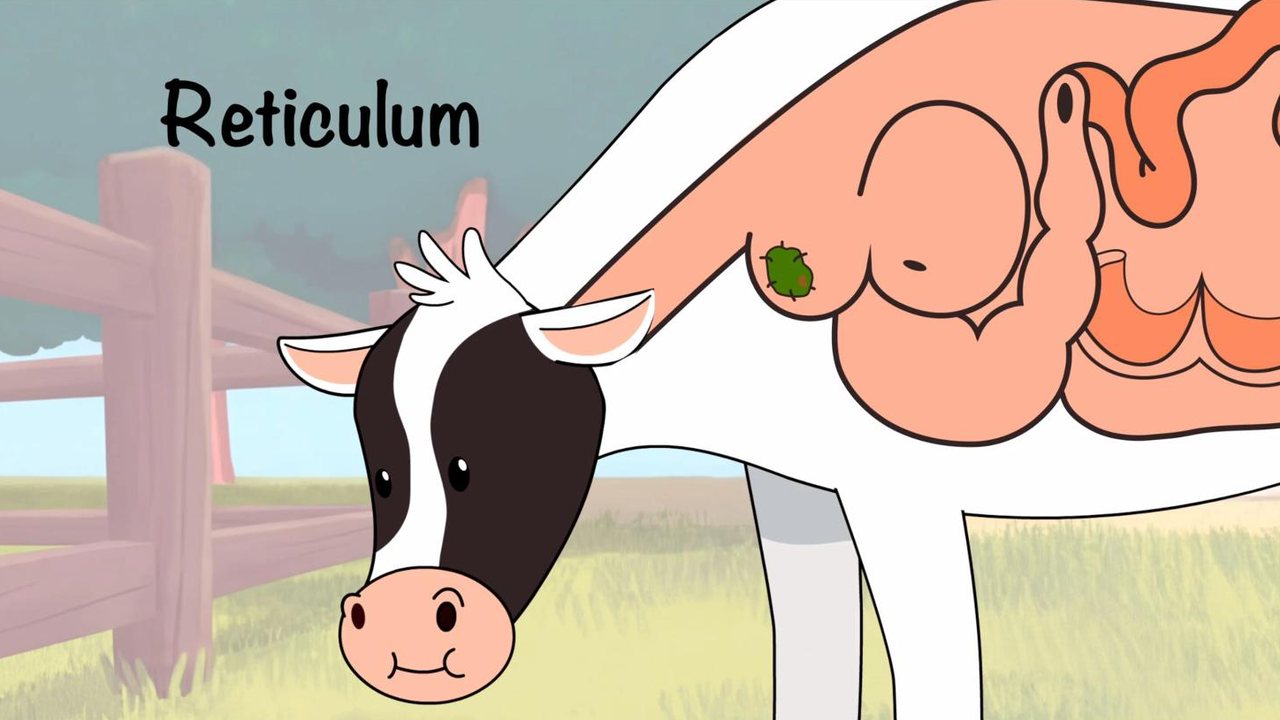
Grass gets rolled into small wads called cuds.
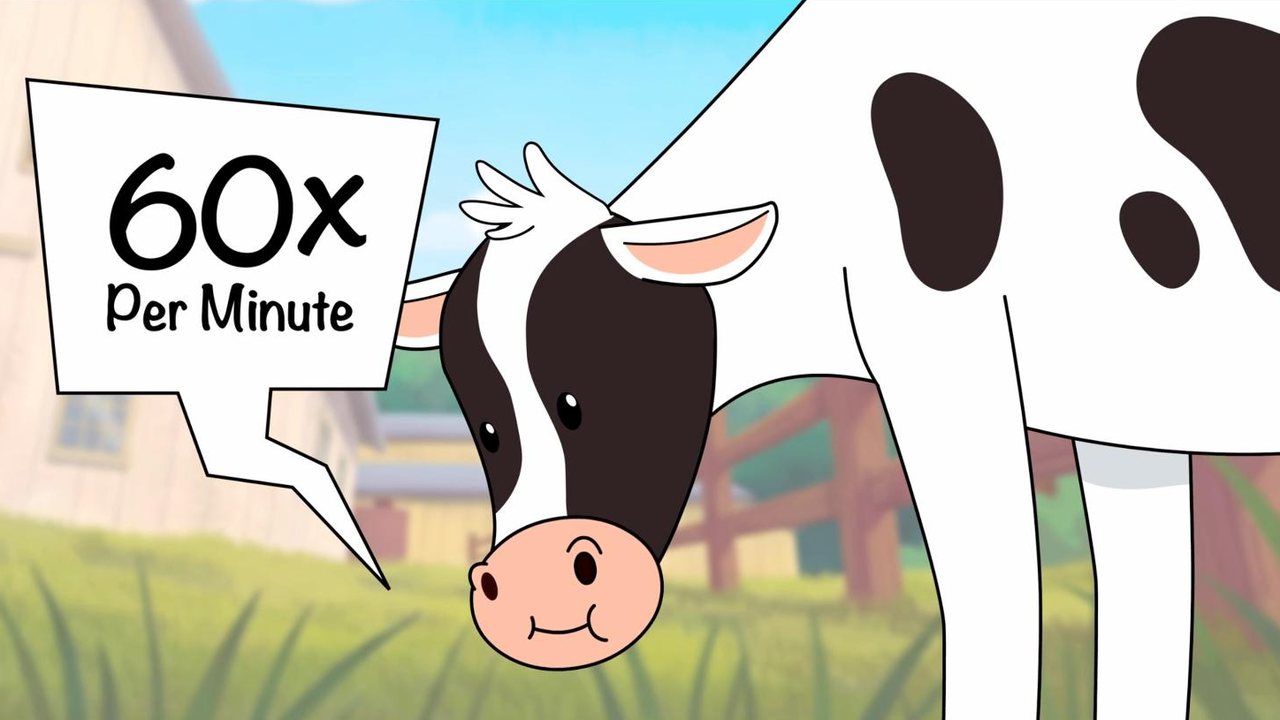
About 60 chews a minute.
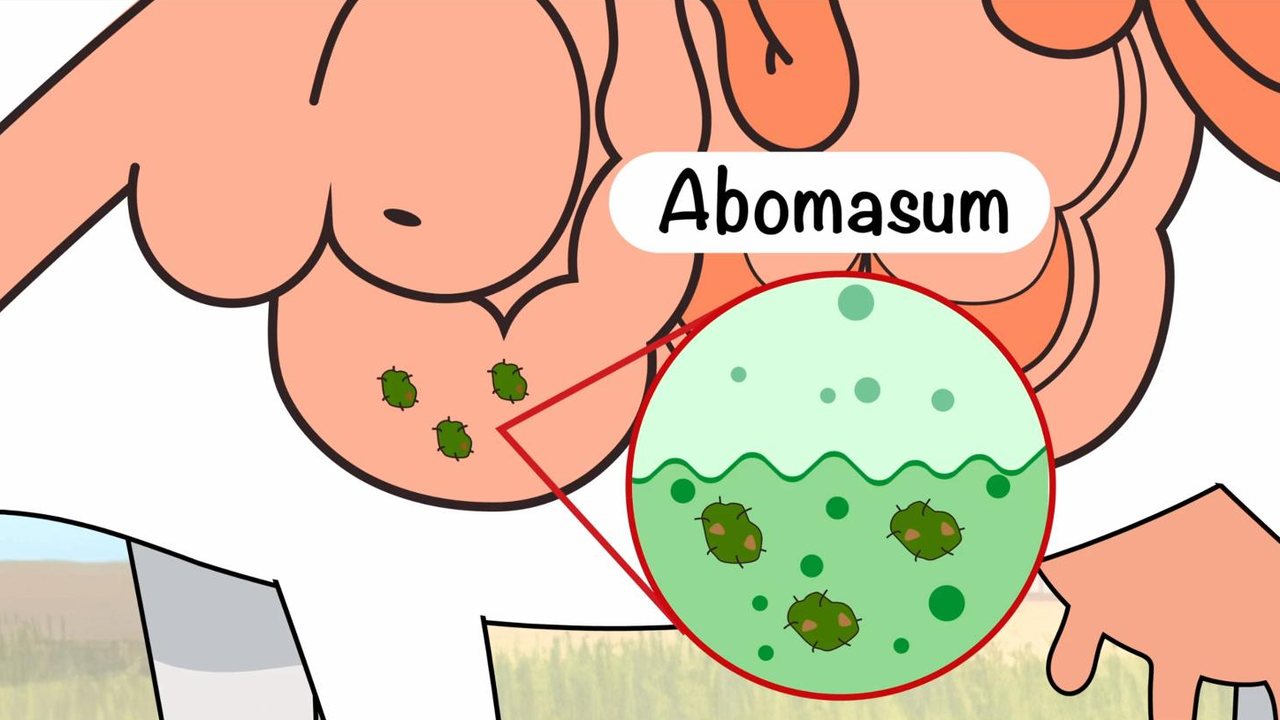
Strong acids break food down into nutrients.
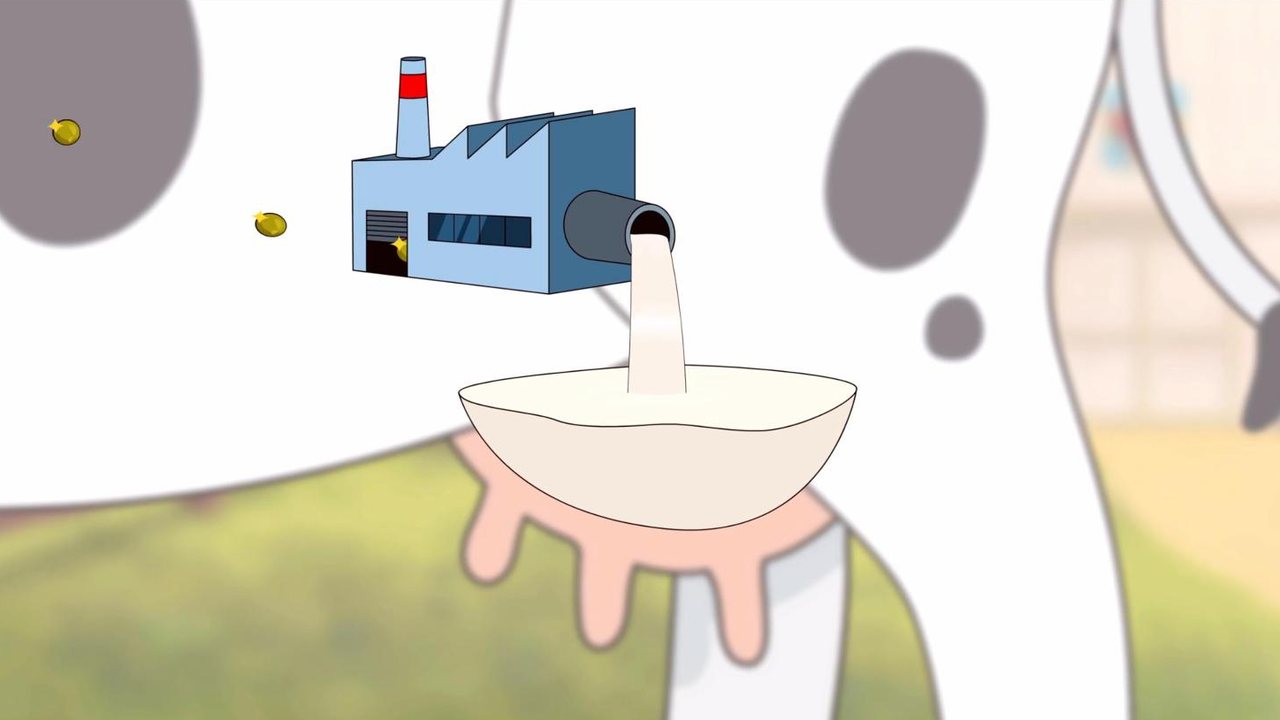
Nutrients travel to the udder and become milk.
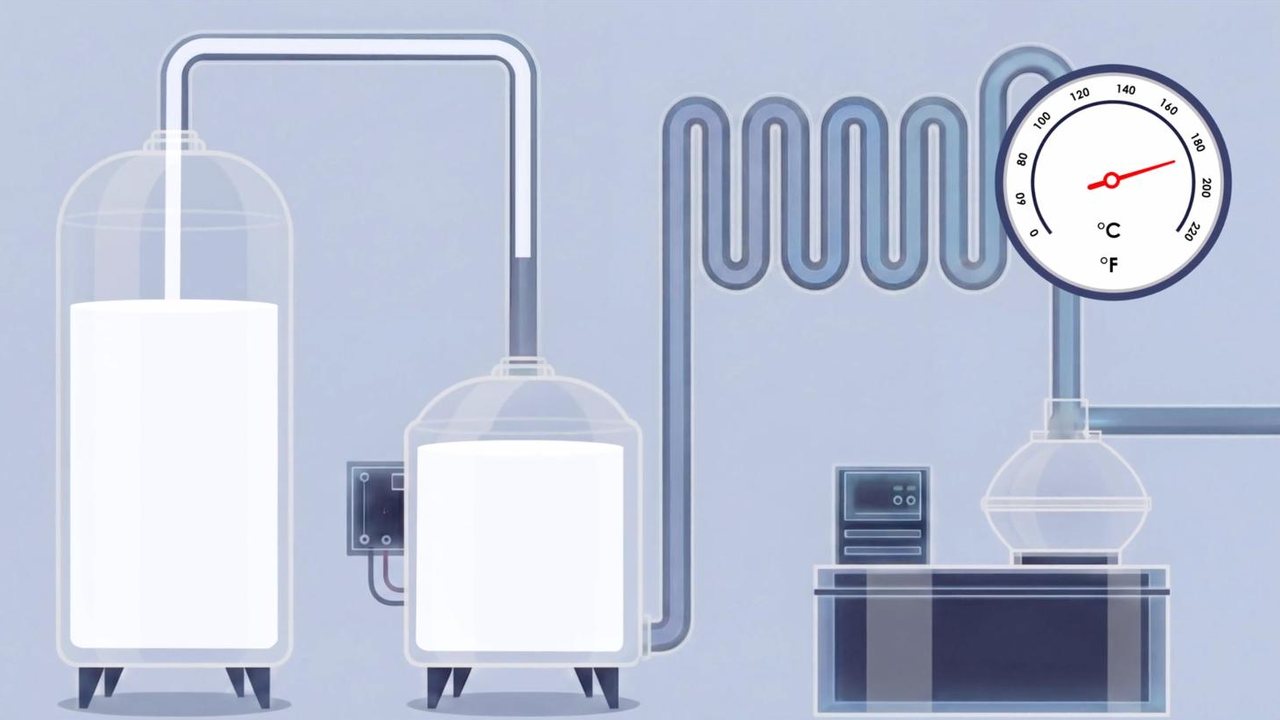
Heated, then cooled fast to stop bad germs.
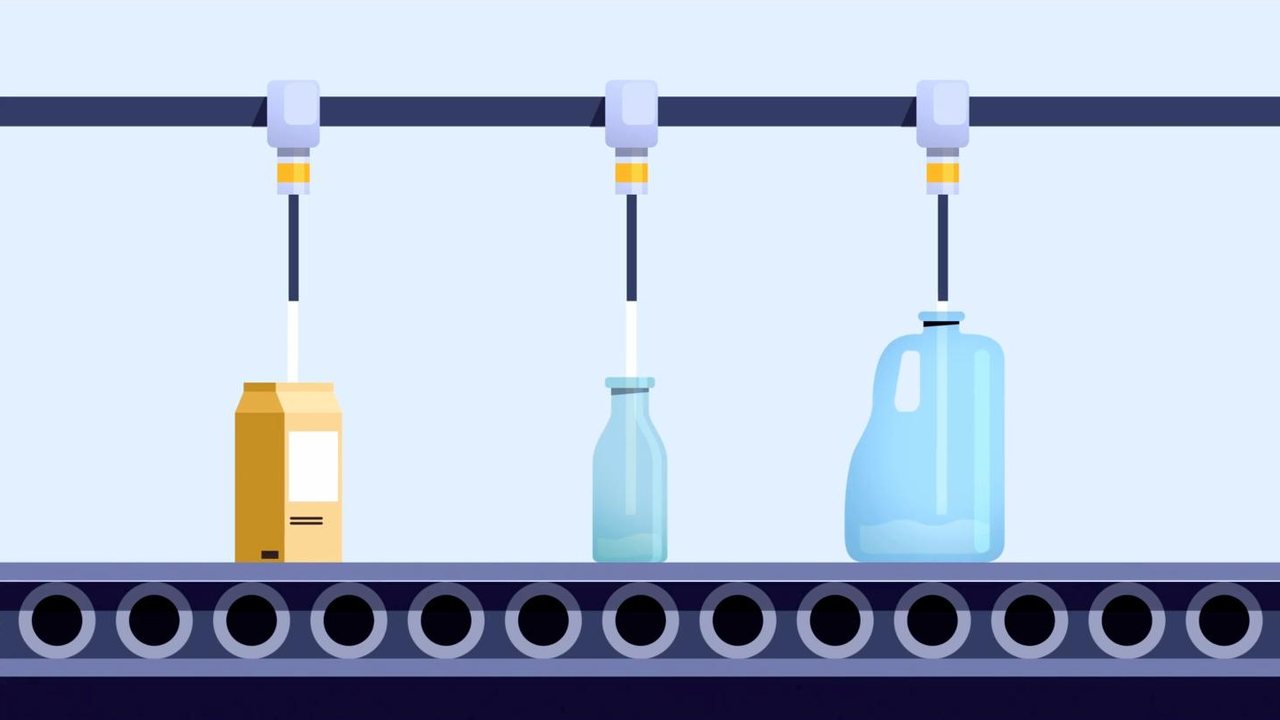
Cartons, bottles and jugs, ready for your glass.
the story in four acts
How the script moves from the barn to the glass.
The video starts with a farmer welcoming viewers to the Farmstead.
She promises to follow one tiny nutrient from a cow’s meal to the milk in your glass.
Cows don’t shop for pizza or candy. Nutritionists plan their meals. They eat hay, grass, grains and protein-rich foods like soybeans and canola seeds.
The food passes through four compartments: the rumen, the reticulum, the omasum and the abomasum. Each one does a different job. The nutrients then travel through the blood to the udder. It works like a little milk factory.
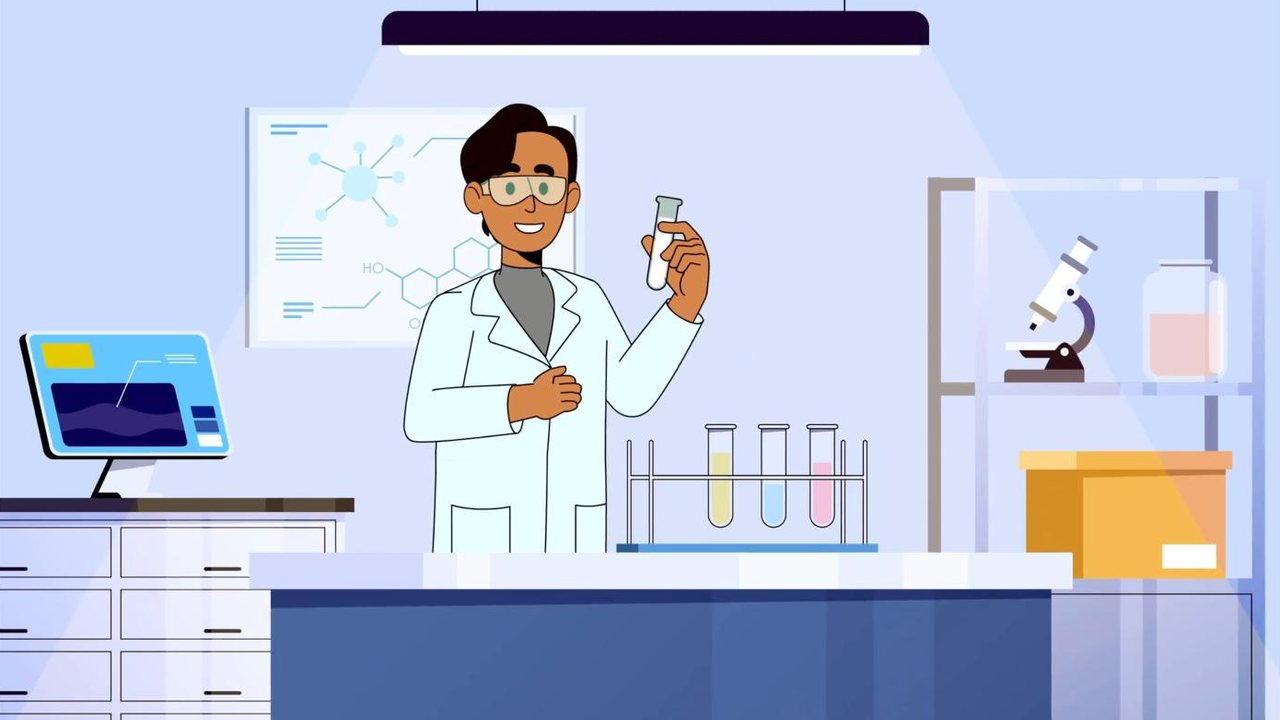
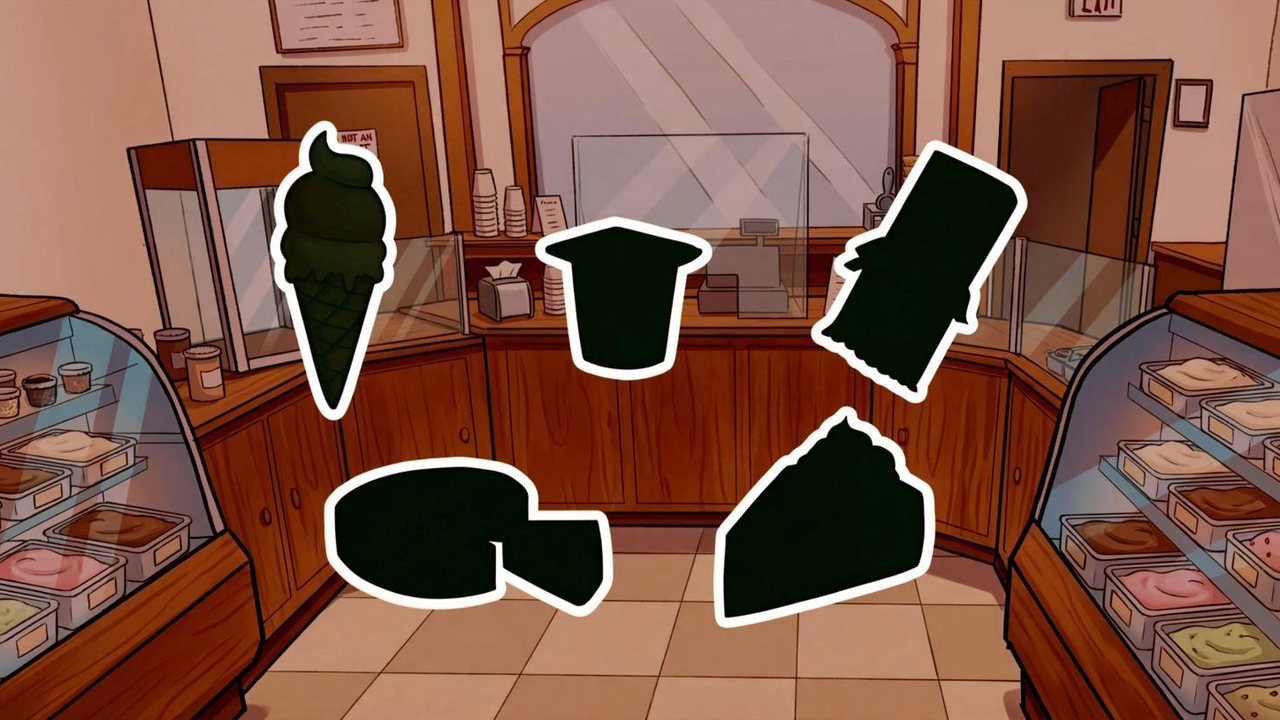
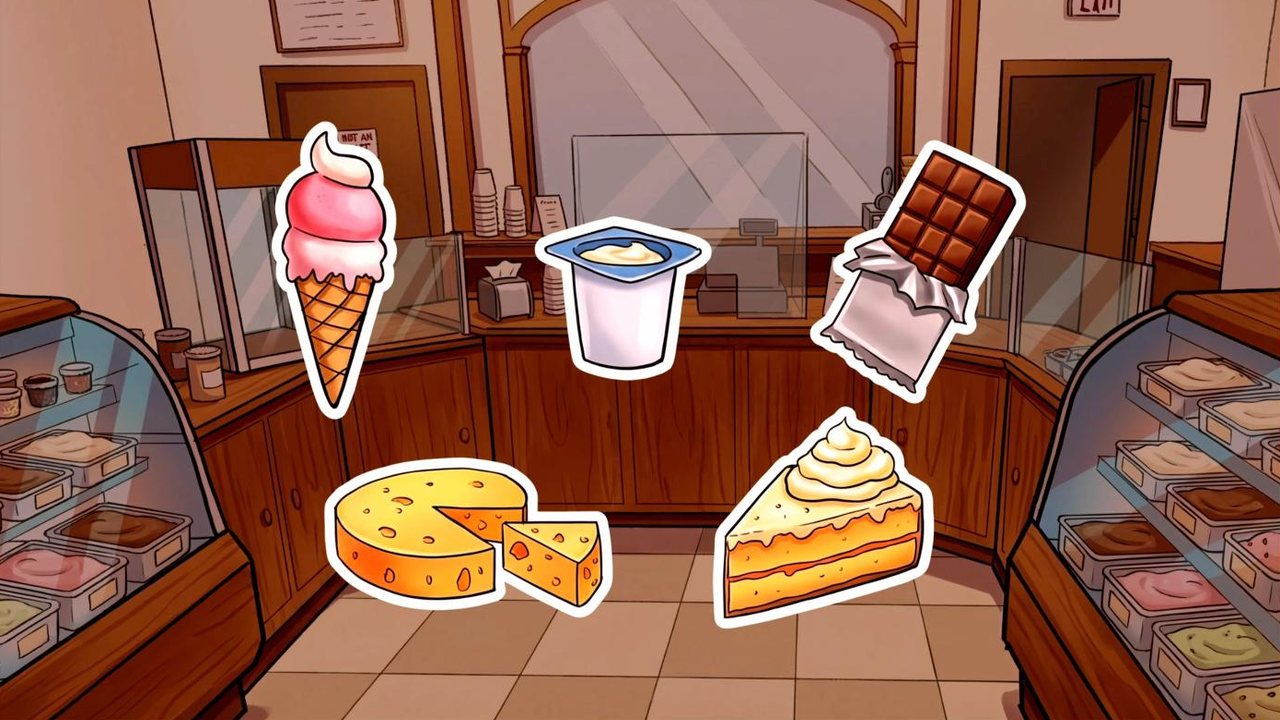
The cow is milked by hand or by machine. The milk is tested, pasteurized and poured into bottles and cartons. The video ends with the dairy treats kids know, from ice cream to cheese.
sketch first, then animate
We storyboarded the script panel by panel before any color went down. Each panel paired a line of narration with a clear action. That let the client approve pacing and accuracy early. Pick a panel to compare the sketch with the finished frame.
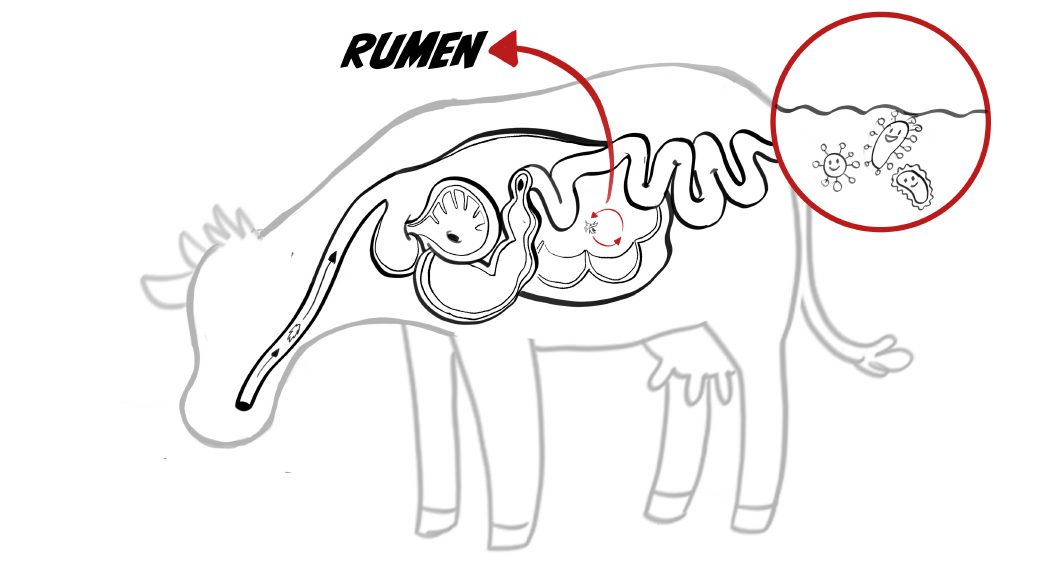
"When the cow first swallows her food, it goes into the rumen. The food here is only half-chewed, and it gets mixed with lots of digestive juices and friendly bacteria."
Food spins inside the rumen, mixing with juices and little bacteria characters.
the final artwork
Warm barn reds, a cast with personality and clean cutaways for the science. Every scene was built to read clearly for young viewers.
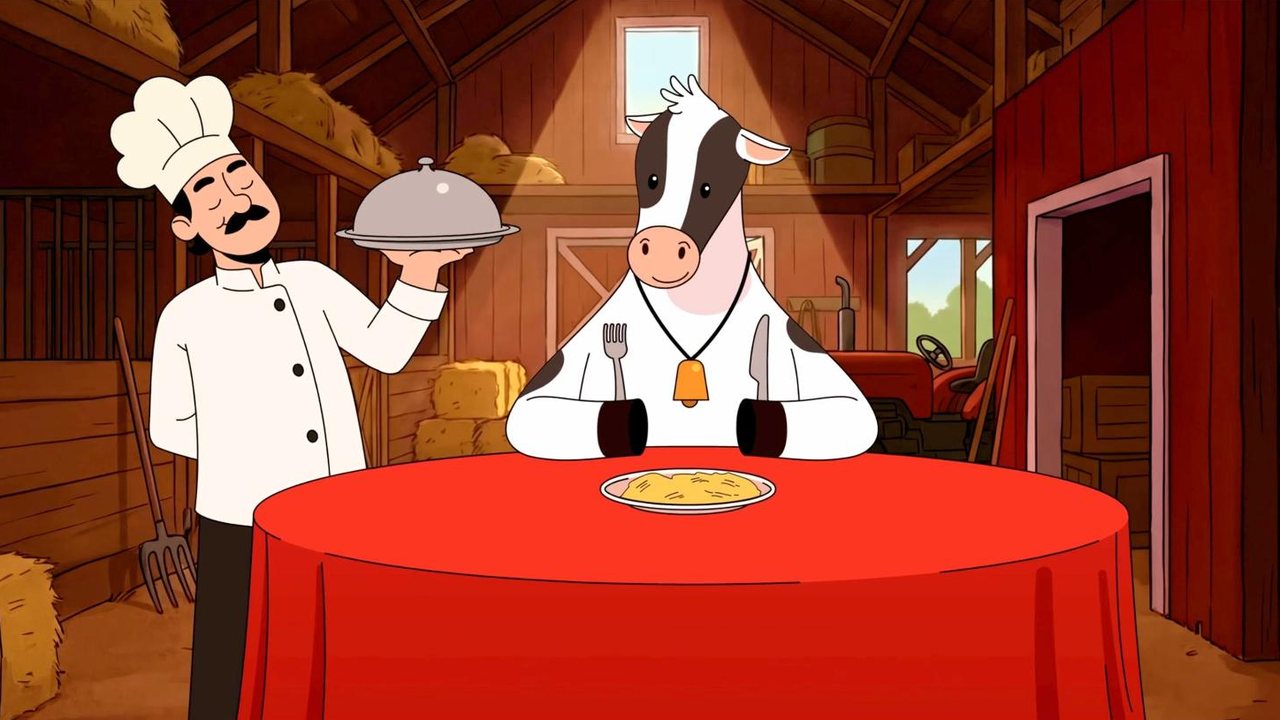
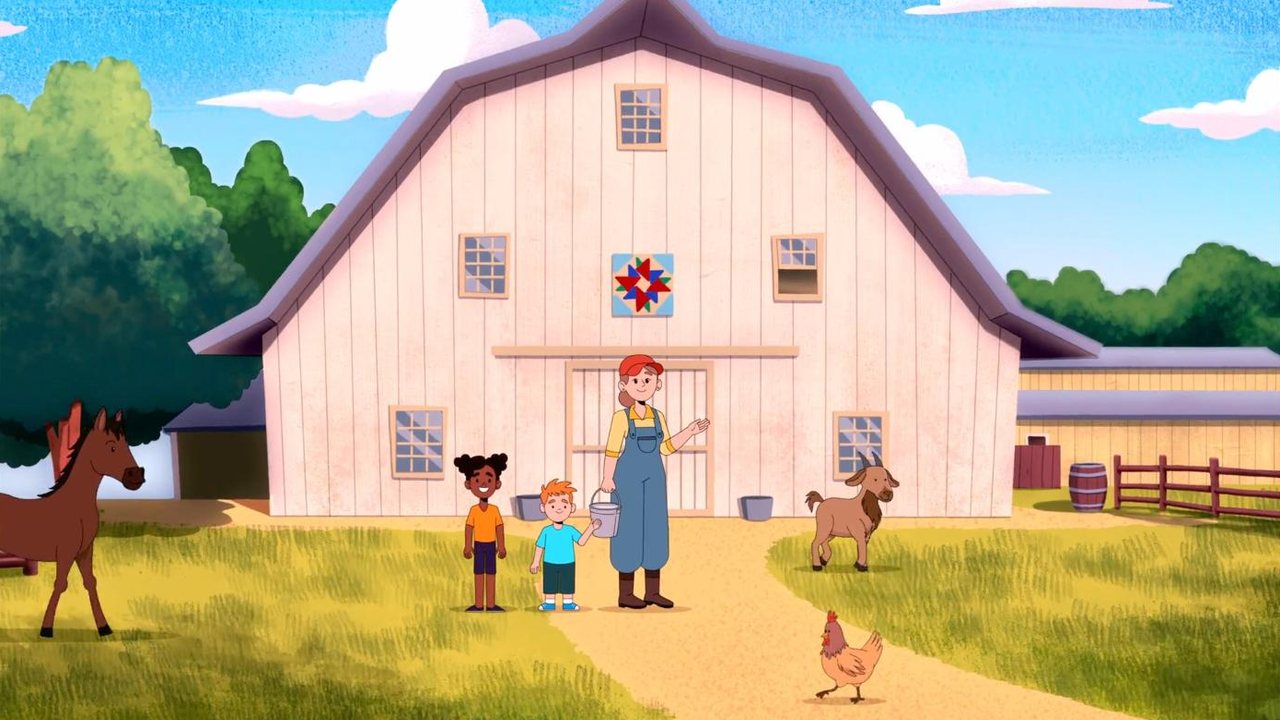
2D Cartoon Animation · City of Overland Park
good to know
It shows how milk is made. A farmer guide follows one nutrient from a cow’s meal through her four stomach compartments to the udder. Then the milk is tested, pasteurized and packaged.
It is written for kids. The farmer talks straight to the viewer and asks questions along the way.
2D cartoon animation. Bright characters and cutaway diagrams make the cow’s digestive system easy to follow.
2 minutes and 50 seconds.
Script writing, the video concept and storyboard, character design and illustrations, professional voiceover, animation, sound design, and video editing.
next step
We turn complex topics into stories people remember.
Tell us about your project. We will talk through your goals and send you a clear, custom quote before production starts.
We use cookies to improve your experience on our site.
Manage your cookie preferences below:
Essential cookies enable basic functions and are necessary for the proper function of the website.