Get an estimate for your video project in less than a minute.

Get an estimate for your video project in less than a minute.
A nonprofit may deliver several programs for different communities. Explaining that work in a single paragraph can be difficult. Video gives you room to show a person, a need and the practical role your organization plays.
The strongest starting point is a specific audience decision. Do you want someone to donate, register for a service or volunteer? Mammothic Films helps nonprofits shape the message around that decision and plan production around the people involved.
| What is video production for nonprofits? Video production for nonprofits turns an organization’s mission, services and funding needs into stories people can understand and act on. Nonprofits use video for fundraising appeals, public education, impact reporting, volunteer recruitment and events. |
A mission statement describes why an organization exists. A useful video connects that purpose to something a viewer can recognize. It might show how a person finds support, how a program operates or what a donation is intended to fund.
Different audiences need different information. A first-time donor may need a clear introduction. A returning supporter may want an update on a funded program. Someone seeking assistance may need to know whether they qualify and what happens after they contact you.
Video production for non-profit organizations should account for those differences. Trying to address every audience in one film often creates a broad message without a clear next step. Separate versions can share footage while answering different questions.
Video also gives staff and volunteers a consistent resource. They can share a program introduction before a meeting or use an educational clip during an outreach session. The content remains useful when it answers a recurring need.
For organizations with limited production budgets, planning matters as much as filming. A well-designed interview session can supply a campaign video, several short stories and material for an annual update. Each output still needs its own purpose and editorial attention.
A mission video explains who your organization serves and why the work matters. Build the story around a specific need and show how your team responds. Give viewers enough context to understand your role without reciting every program.
A fundraising appeal connects a defined need with a clear request. Explain what support is intended to make possible and where viewers can learn more. Use verified program information and avoid implying that every gift funds an identical outcome.
An event film can introduce the appeal before a speaker asks for support. Plan its ending around the live program so the transition feels natural. Deliver an online version separately if it needs a different introduction or call to action.
An impact video shows what happened during a defined reporting period. Explain the meaning and source of any figures. Combine program context with staff or participant perspectives so viewers can understand more than the total number served.
Show what volunteers actually do and what preparation they receive. Include the time commitment and the route to apply. An honest view of the role helps prospective volunteers judge whether they can contribute.
A public awareness video introduces an issue or a practical action. Define the audience narrowly enough to choose relevant language and examples. Where the topic is sensitive, involve the people responsible for participant support and subject accuracy.
Animation can explain eligibility, referral pathways and unfamiliar processes. It can also avoid putting a participant’s identity on screen. Choose visuals that support the information and allow enough time to understand each step.
We have produced over 100 nonprofit videos in more than 15 years. We start by separating the organization’s overall mission from the job of this particular video. A campaign may support the mission while focusing on one program. That focus helps keep the story manageable and the request understandable.
Next, we agree on a production scope that fits your resources. Identify the essential film first. Then decide which additional versions share enough material to justify producing them together. A short edit still takes time for writing, pacing, captions and review.
Participant care shapes the production plan. Explain how interviews will work and where the finished content is intended to appear. Participation should be voluntary. Avoid making access to a service appear dependent on joining the video.
Discuss boundaries before the interview. Some people may want to speak about a program without describing a difficult personal experience. Others may prefer an alternative format. Staff should help identify appropriate arrangements without promising anonymity that the production cannot provide.
We also establish who approves the story. A program lead may check accuracy. Communications staff may check tone. A participant support specialist may identify language or imagery that needs reconsideration. One coordinator should consolidate the feedback.
For filming, choose locations that are appropriate for both the story and the people using the space. A service site may contain confidential conversations or identifying details. A separate interview room can offer more control without interrupting program delivery.
Accessibility belongs in the brief. Plan captions, a transcript and readable graphics. Discuss whether the audience needs translated versions, audio description or a different presentation of essential visual information. These choices affect scripting and scheduling.
Animation work can be coordinated with our sister company, Creamy Animation. Its nonprofit video work includes educational and public-service projects. We choose the format around the communication need and identify who is producing each part.
With locations in Vancouver, BC and Vancouver, WA, we work with Canadian and US organizations.
Write one sentence that completes this thought: “After watching, our audience should understand this and take this action.” If the answer contains several unrelated actions, choose the priority.
Gather the supporting material next. That may include approved program descriptions, a campaign landing page, interview permissions and verified reporting figures. Provide the latest versions so the script does not inherit outdated information.
For a gala, confirm the screening environment. The room’s sound, screen layout and live schedule all affect the edit. Decide who speaks after the video and what information that person needs to carry forward.
Plan additional assets while the interview questions are being written. Ask for complete answers that can stand on their own. Capture location footage that shows the program in context without revealing private information.
A main campaign film could support a short volunteer invitation or a program update. Those versions should be scoped individually. Do not assume that cutting a longer film into equal pieces creates useful social content.
After launch, compare the response with the video’s purpose. For an appeal, review visits to the donation page and completed gifts from trackable links. For a service video, ask whether inquiries show a better understanding of the process.
Keep the surrounding campaign in view. An unclear donation page or registration form can prevent action even when the video communicates well.
YWCA Canada’s BlockHate work used animated storytelling to address online hate. Creamy Animation created a series intended to help young people recognize and respond to the issue. See the project overview.
This is a public education format. Its audience and subject shape the language and stories. It offers a useful example for organizations that need to make a difficult issue understandable to a defined community.
Our sister company, Creamy Animation, created a video introducing CLAS BC’s Stand Informed service. The case study shows how the project explains the intake journey through calm narration and inclusive animation.
The video addresses uncertainty about seeking help. It introduces access information and gives viewers a clear contact step. Animation supports that explanation without requiring a service user to share a personal story on camera.
For a nonprofit planning a comparable resource, the key question is what someone needs to know before reaching out. That answer can shape a useful program video even when fundraising is not its purpose.
A good fundraising video connects a specific need with a credible response and a clear request. It respects the people whose stories it includes. It also directs viewers to a donation process that matches the appeal.
Start with the communication gap that matters most. One useful program introduction may be more valuable than several general awareness clips. Build a larger library when you have a clear audience and distribution plan for each addition.
An event video is part of a live sequence. Its timing, sound and ending need to work with the speaker and donation request. An online version must provide enough context for someone watching independently.
Yes, when the interviews and supporting footage are planned for those outputs. Agree on the topics and versions before filming. Each finished video still needs a distinct structure and review.
Discuss purpose, participation and boundaries before recording. Use respectful questions and avoid staging distress for emotional effect. Give the organization’s designated reviewers a clear opportunity to assess the portrayal.
The number of filming days, locations, interviews, animated scenes and final versions affects scope. Translation and accessibility deliverables also require planning. Ask for a quote that identifies the essential film and optional additions.
Choose one audience and the decision you want to support. Gather accurate information and involve the people responsible for participant care. Those steps create a stronger foundation than starting with a desired runtime.
Mammothic Films can help turn that brief into a production plan. Bring your campaign objective, deadline and available resources so we can identify a practical first video.

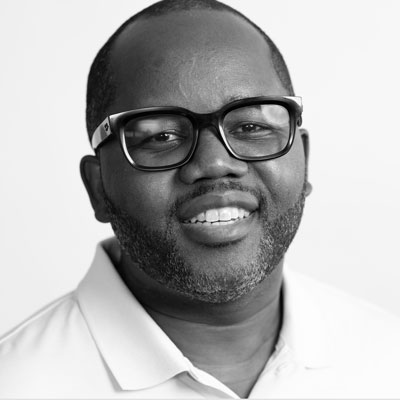
Larry is the Founder and Producer at Mammothic Films, with more than 15 years of production experience. He leads a team that creates story-driven videos for businesses and brands. A marketer, designer, and animator, Larry has overseen the production of more than 1,500 videos for Fujitsu, Logitech, Warner Brothers, NFL, Blockdaemon, Astronomer, Canonical, and 370+ other companies in Canada, the United States, and around the world.
Larry is a devout Christian who believes in placing God first, and that everything else is a blessing that comes from serving Him. When he’s not working, he’s hanging out with his wife and three kids, playing the piano, or sightseeing.
We use cookies to improve your experience on our site.
Manage your cookie preferences below:
Essential cookies enable basic functions and are necessary for the proper function of the website.
