Get an estimate for your video project in less than a minute.

Get an estimate for your video project in less than a minute.
In this article we showcase some of the best financial literacy video examples and why they are effective. See how banks, credit unions and insurers use financial literacy videos to build trust, how we can help you make them, and 20 real examples.

What is a financial literacy video? It is a short video that teaches a money topic in plain language. Common topics are budgeting, loans, credit scores and saving. Banks, credit unions and insurers use them to teach customers and answer common questions. Done well, they build trust in the brand before the sale.
Most people find money confusing. Loans, credit scores, saving, investing and insurance all come with their own terms and fine print. The financial brands that explain these topics clearly become the brands people trust.
This guide explains what financial literacy videos are and why financial institutions make them. It shows how we help businesses produce them and the benefits of educational video. It ends with 20 financial literacy video examples from banks, credit unions, central banks and our own clients.
Financial literacy videos, also called financial education videos, teach one money topic at a time in plain language. Length depends on the lesson. A fraud warning may need only 30 seconds. A worked budgeting example may need several minutes. They come in many formats. These include 2D animation, 3D animation, motion graphics, whiteboard animation, live action with a host, short social clips and multi-episode series.
The most common topics for financial videos are budgeting and saving, loans, credit scores and credit reports, compound interest, investing basics, retirement, insurance, fraud and scams, and digital banking.
Central banks, regulators and nonprofits make public education videos. Their goal is to raise financial knowledge across a whole country. Branded videos are made by banks, credit unions, insurers and fintech companies. Some of the best financial education resources from banks take this form. They teach the same kinds of topics. They also carry the brand’s name, tone and look. Every lesson builds recognition for the business behind it.
A branded financial literacy video teaches first. The product appears only where it is relevant. An ad asks the viewer to buy. A financial literacy video helps the viewer understand. That difference is why people watch them, share them and come back to the brand that made them.
People choose a bank, credit union or advisor they trust. A brand that teaches people how money works earns that trust early. When a viewer later needs a mortgage, a loan or an investment account, they already know who explained it clearly.
Every branch, call centre and advisor hears the same questions. What is a credit score? How does interest work? What happens if I miss a payment? Each of these can become a short video. Customers get a clear answer at any hour. Staff spend less time repeating the same explanation.
One video can be used on your website, social media, onboarding emails, branch screens, webinars and advisor meetings. A financial education YouTube channel can also keep a whole series in one place. A topic like budgeting does not go out of date quickly. A well-made video can keep teaching for years.
Education focuses on how things work, not on promises or returns. That usually makes the message simpler to review than a product ad. Your compliance team still approves the script. A clear script gives them less to question.
Many banks and credit unions run financial education programs for schools and communities. Video lets those programs reach far more people than a workshop can. ASB Bank’s GetWise program in New Zealand is a good example. You can watch one of its videos in the examples below.
People search for questions like “what is a credit score” or “how does a TFSA work”. A clear video on a page that answers the question gives search engines and AI tools something useful to show. It also puts your brand in front of people at the moment they want to learn.
We produce financial literacy videos for financial services businesses and nonprofits. Our team works in both animation and live action from Vancouver, BC and Vancouver, WA. Here is how we approach each project.
Every video starts with one real customer question. We keep each video to one topic and one clear takeaway. A viewer should finish knowing one new thing and what to do next.
On the first call we agree on the business goal, the audience and the person in compliance or legal who approves the script. We ask for disclosure wording your legal team has already cleared. That way we build on approved language instead of writing around it.
The script is written and approved as a document before anything is drawn or filmed. We use plain sentences and define terms on screen. Every disclaimer is written out in full. We do not invent figures, rates or outcomes. If a number appears on screen, you supply it and you approve it.
Once the script is locked, we storyboard the video scene by scene. Then we move into custom illustration and animation or a live action shoot. You see each stage and approve it before we move on.
Every video comes with captions and a transcript. We can cut shorter versions for social media. Disclosure text sits on its own editable layer. If a rate or fee changes, it is a quick edit rather than a rebuild.
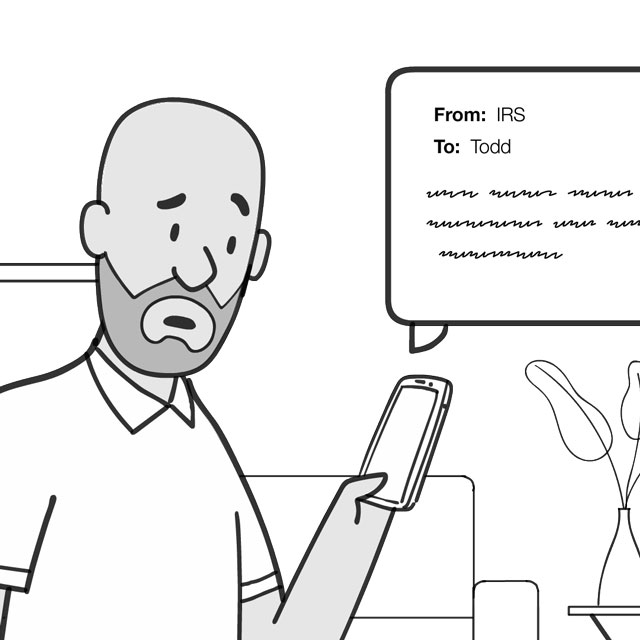
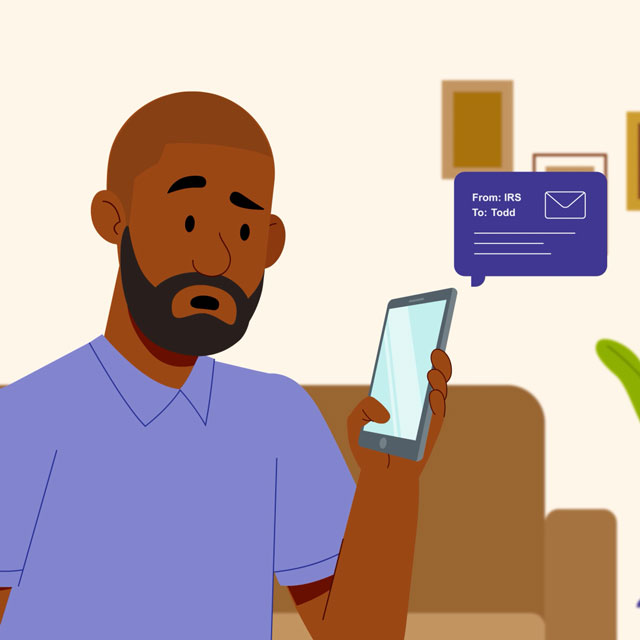
Accounting Aid Society is a nonprofit in Detroit, Michigan. It wanted to help people respond to an IRS letter and avoid common mistakes. We started with the concept and the script. Based on the video concept, we sketched the storyboards, built custom characters and illustrations.
The finished result was a clear and easy-to-understand financial literacy video that answers one of the many questions people have about IRS letters. Below are examples of the process we follow.
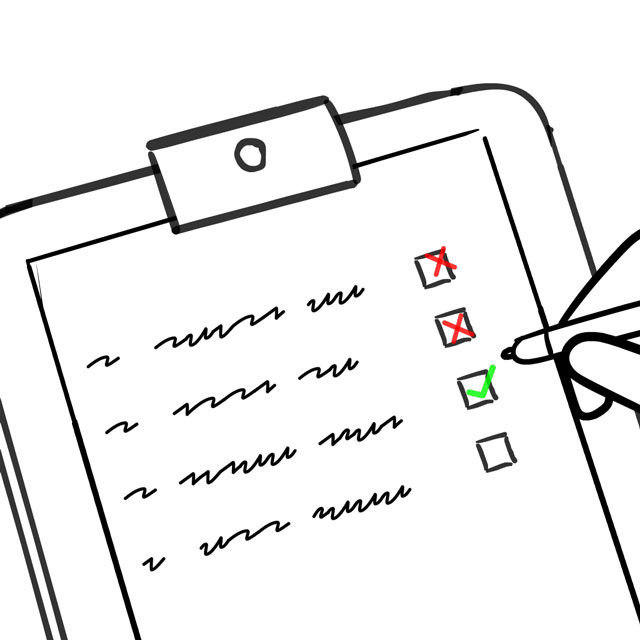
The storyboard is a scene-by-scene sketch of how the story will unfold. It gives you the opportunity to see how the video will play before production begins. At this stage you can provide your feedback to ensure your video delivers your message effectively.
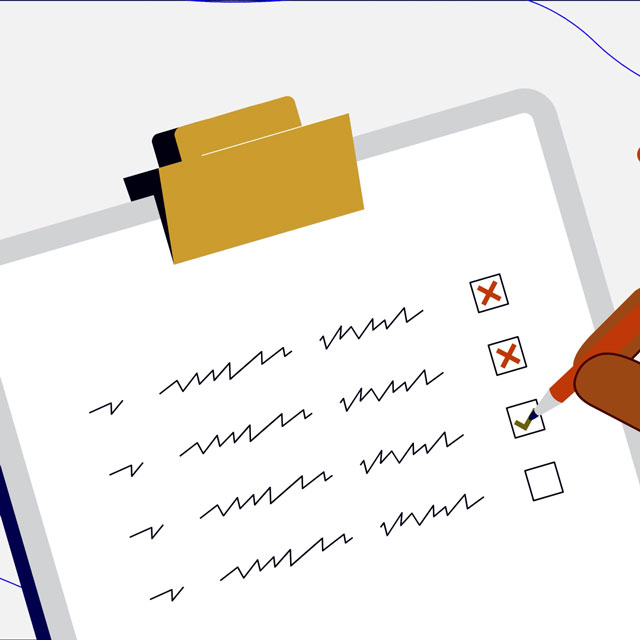
Following the storyboard, we create the final character designs, graphics, and illustrations. You can watch the final video in the financial literacy video examples section.
BUILD YOUR BRAND THROUGH STORYTELLING
Share the questions your audience asks the most. We’ll start with a video strategy, find the best video style that suits your audience, and start writing the script. Turn customer queries into videos that educate your audience and build trust in your brand.
| Approach | Best for |
|---|---|
| Animation | Abstract ideas like interest, inflation and credit scores. Easy to update. No shoot needed. Characters stay consistent across a series. |
| Live action | A trusted face, such as an advisor, an executive or a member story. Testimonials and a local community feel. |
| Mixed | Animated graphics over a filmed host. |
Mammothic Films produces both, so the choice can follow the topic rather than the studio.
The right example depends on who you are teaching. We grouped the examples by the audience each publisher states. Many of these videos explain rules for one country, such as TFSAs in Canada or IRS letters in the United States. Check that the details apply to your market before you share one.
Start with Budgeting 101 and Loan Basics. Both cover financial literacy basics in plain language, such as income, expenses and how a loan affects your budget. Together they work as a short financial literacy 101 series for people who are new to managing money.
The Bank of England’s Keeping on an even keel series was made for 14 to 18 year olds. The European Central Bank’s Price Stability film is part of a classroom kit with a lesson plan for teachers. Both are useful models of financial literacy for students. If you are planning financial education for teens, they show how to pair a short video with classroom material.
Young adults are often opening a first savings account or applying for a first loan. What Is a TFSA?, Find Out What Your Credit Report Says About You and Loan Basics cover those first decisions. They show how financial education for young adults can focus on one decision at a time.
What is money? GetWise, the Ubongo Kids Savings Song, Bank of Saipan’s Dollars & Sense and the Reserve Bank of India’s fraud awareness spot were all made for children. They use songs, characters and very short messages.
For financial literacy for adults, look at Buying a Car, the credit report video and Capitec’s money skills episode for parents. They deal with everyday decisions such as car loans, credit and teaching children about money. Each one starts from a real decision the viewer is facing.
The 20 examples below come from our own financial clients, from financial brands, and from central banks and public agencies around the world. These examples of financial literacy videos show different ways to teach a money topic on video.

Accounting Aid Society is a nonprofit in Detroit, Michigan. A letter from the IRS is stressful, and its language is hard to follow. This video shows people how to respond and how to avoid common mistakes.
It opens with the viewer’s problem and uses humor to keep them watching. It ends with clear next steps. A financial brand can use the same approach for any stressful topic, such as a missed payment or a fraud alert.
We made this 2D animated video with the founder of Assurance Wilson. The first part explains how wealthy families keep more of their money and pass it on to their loved ones. The second part shows how Assurance Wilson helps them do it.
The lesson for marketers is the order. Teach the idea first. Then introduce your company as the partner who can help.
An economic education specialist at the Federal Reserve Bank of St. Louis walks through the basics of budgeting. The video compares making a budget to planning a road trip.
It covers income and expenses, tracking spending and planning for the unexpected. A simple comparison like the road trip makes an abstract topic easy to remember.
The Financial Consumer Agency of Canada made this 51-second video. It explains why you should check your credit report for errors before you apply for a loan.
Errors could lead to a refused application or a higher interest rate. The video also points out that you can get your credit report for free. It delivers one clear action in under a minute.
This is the first of seven short films in the Bank of England’s “Keeping on an even keel” series for 14 to 18 year olds. It explains money and the Bank’s role in it.
Later episodes cover why low inflation and a stable financial system matter to the UK economy. This first film has more than 160,000 views on YouTube.
The Bank of Ghana is the country’s central bank. It published this video as part of its financial literacy work.
The video focuses on digital transactions. It runs a little over two minutes.
Moneysmart is the money guidance service of the Australian Securities and Investments Commission. Its “Take a minute with your money” series was made with Gilimbaa, an Indigenous creative agency.
In this episode, Aunty B and Uncle Bob show that the first offer is not always the best deal. That applies to the car and to the loan. The series shows how characters and humor can speak directly to one community.
The European Central Bank produced this animated film with the national central banks of the euro area. Two characters, Anna and Alex, travel through a time warp and learn about inflation.
The film explains why stable prices matter for saving and investing. It is part of a classroom kit that includes a lesson plan for teachers.
GetSmarterAboutMoney is the investor education site of the Ontario Securities Commission. This video explains what a tax-free savings account is.
It is split into three parts. What a TFSA is, how much money you can put in, and what the tax advantages are. Clear chapters make a longer video easy to scan.
Ubongo Kids is an animated educational TV series produced in Tanzania. This song teaches children how to save and budget so they can reach a goal. That goal could be a new game or a place at university.
It runs six minutes and has more than 64,000 views on YouTube. Music helps a money lesson stick with a young audience.
SchoolsFirst Federal Credit Union is a California credit union. Its “It’s a Money Thing” series covers budgeting, credit scores and compound interest.
This episode explains what a loan is and how it affects your budget before you commit to one. It runs just under four minutes and has more than 500,000 views on YouTube. A named, recurring series builds a library that keeps earning views.
The Reserve Bank of India made this 30-second Hindi spot as part of a children’s awareness campaign. It warns viewers not to click on unknown links.
Fraud awareness is part of financial literacy. This spot keeps the message to one idea and has more than 151 million views on YouTube.

We made this motion graphics video for Noyak Capital. It explains how an UPREIT helps businesses invest in more lucrative opportunities.
The video sets out the problem first. Then it shows how the Noyak solution works and builds toward one clear, number-driven outcome. Motion graphics make investment numbers easy to follow.
Dr. Bill is a medical billing app for physicians. We made this video to show how the app makes billing simpler.
It opens with the billing frustrations physicians face every day. Then it shows how the platform cuts paperwork and errors. The viewer sees their own problem first. The product appears only as the answer.
We made this short animated video for Cryptosea, a crypto trading platform.
It uses kinetic typography, where animated text carries the message. Short formats like this work well on social media.
This video is part of Capitec Bank’s #KnowYour money education series. Financial consumer journalist Maya Fisher-French shares tips to help viewers take control of their money.
This episode is about teaching children money skills. A trusted expert host gives a bank’s education series extra credibility.
GetWise is ASB Bank’s financial education program for schools in New Zealand. ASB says the program has helped more than 400,000 Kiwi kids.
This one-minute video introduces the idea of money and the “Spend, Save, Share” jars. A schools program like this turns financial education into long-term goodwill for the bank.
On The Money is a financial education programme from Old Mutual Zimbabwe. It teaches people how to manage their money.
This holiday edition shares money-saving tips from Africa’s Big Five. It runs under a minute and has more than 100,000 views on YouTube. Short seasonal tips keep a program in front of its audience.
Bank of Saipan launched “Dollars & Sense” as an animated financial literacy series for viewers “ages 7 to 107”. In the first episode, Nana explains to Koku and Kaya that paying with a credit card means borrowing someone else’s money.
Episodes 2 and 3 followed. A small bank can build a whole series around one family of characters.
The South African Reserve Bank is the country’s central bank. This short video explains what the bank does.
It runs under two minutes and has more than 13,000 views on YouTube.
A financial literacy video is a short video that teaches one money topic in plain language. Common topics are budgeting, credit, loans, saving and fraud.
Both. It teaches a money topic, and it carries your brand while it does.
It depends on the learning objective. A fraud warning may need only 30 seconds. A worked budgeting example may need several minutes. The examples on this page run from 30 seconds to more than eight minutes.
For regulated businesses, usually yes. We plan for it from the first call and approve the script as a document. Your compliance team gives final approval before anything is published.
Animation suits abstract ideas like interest rates and credit scores, and it is easy to update. Live action suits a trusted face, such as an advisor or a member story. Many videos mix both.
A standard 60 to 90 second animated video usually takes 4 to 6 weeks. Allow extra time if your compliance or legal team needs to review the script.
A standard 60 to 90 second animated video starts at $5,000. Premium animation starts at $10,000. See our video production pricing for more detail.
Yes. We can plan a series around one host, character set or visual style. Episodes can be released on a schedule and reused across your channels.
Financial literacy videos let a financial brand teach first and sell second. They make complex products easier to understand. Over time, they build the trust that brings people back when they are ready to open an account, take out a loan or invest.
Start with the one question your customers ask most. Turn it into a short, clear video. Then build from there.

Larry is the Founder and Producer at Mammothic Films, with more than 15 years of production experience. He leads a team that creates story-driven videos for businesses and brands. A marketer, designer, and animator, Larry has overseen the production of more than 1,500 videos for Fujitsu, Logitech, Warner Brothers, NFL, Blockdaemon, Astronomer, Canonical, and 370+ other companies in Canada, the United States, and around the world.
Larry is a devout Christian who believes in placing God first, and that everything else is a blessing that comes from serving Him. When he’s not working, he’s hanging out with his wife and three kids, playing the piano, or sightseeing.
We use cookies to improve your experience on our site.
Manage your cookie preferences below:
Essential cookies enable basic functions and are necessary for the proper function of the website.