Get an estimate for your project in 60 seconds. No email required.

Get an estimate for your project in 60 seconds. No email required.
Rotoscoping means tracing over filmed footage to create drawings or isolate part of an image. It has two main uses: animation that follows a recorded performance and visual effects that separate a person or object from its surroundings. This page covers both meanings, the production steps, familiar examples and the practical reasons you might use the technique in a business video.
 By
Larry Mutenda
By
Larry Mutenda | What is rotoscoping? Rotoscoping is tracing over filmed footage frame by frame to create animated drawings or to cut a subject out of a shot. Max Fleischer developed the technique with his rotoscope device in the 1910s. A Scanner Darkly, Waking Life and the Take On Me music video are well-known examples. In visual effects the same work is called roto. |
Rotoscoping is the process of tracing movement or outlining subjects in recorded footage across successive frames.
The starting point is live action. Someone films a person moving, a product turning or another action. The artist then works against those recorded images. Each frame provides information about the subject’s position and shape at that moment.
For animation the artist can turn that information into drawings. The filmed movement supplies the structure. The drawing treatment supplies a different visual identity. A recognizable human gesture can become a simplified outline or a richly painted figure.
For visual effects the artist usually creates a boundary around the subject. That boundary becomes a mask. It determines which parts of the image remain visible or receive an adjustment. The result might never look animated to the viewer.
Both uses depend on changes over time. An outline that fits the first image will not necessarily fit after a head turns or an arm crosses the body. The work must follow that change.
The simplest rotoscoping meaning is therefore tracing through a moving image. The final purpose decides whether you see a new drawn performance or a carefully altered live-action shot. It is a production technique rather than one fixed visual style.
I never used rotoscoping much in my early years as a motion designer. When I first tried it out, I found the process painstakingly hard. You had to move masks by hand, frame by frame, to follow the movement of a person, a car, or whatever else I was isolating. It took a lot of time to get right. Software has come a long way since then, and tools that help track and isolate subjects have made rotoscoping much easier to work with.
Rotoscoping can create rotoscoped animation from filmed movement or create masks that separate parts of live-action footage.
What is rotoscoping animation? Rotoscope animation, sometimes shortened to roto animation, uses a recorded performance as the basis for drawn movement. The artist selects which features to preserve and which to simplify. A filmed dancer might become a spare outline while keeping the weight and rhythm of the original action. The drawing does not have to reproduce every visible detail. Colour and shape can change substantially. What matters is how the drawn sequence relates to the recorded motion. This approach can retain small human gestures that would be difficult to invent consistently from memory. The artist still makes the visual decisions that turn reference footage into a coherent animated performance.
Disney animators often worked from filmed live-action reference. This footage shows performers acting out movement that later became animated characters.
Rotoscoping in VFX, or visual effects, uses masks to separate a person or object from footage. This work is often called roto. A mask is a boundary that identifies the pixels belonging to a chosen part of the image. The artist adjusts that boundary as the subject moves. It might allow a new background to appear behind a speaker. It could also place a graphic behind an arm while keeping the arm visible in front. Good roto often goes unnoticed. Its purpose is to make separately treated elements behave as though they belong within the same photographed scene.
Combining live actors with drawn animation depends on separating people from their backgrounds. This Mary Poppins featurette shows how the filmmakers placed actors inside a cartoon world.
Rotoscoping began with Max Fleischer’s device for using filmed movement as a drawing reference in the 1910s.
The original approach projected filmed images so an animator could work from the positions in the footage. This provided a direct connection between a recorded performance and a drawn sequence. It offered a way to carry human movement into characters without inventing every pose from scratch.
This Vox video explains how Max Fleischer’s rotoscope made animated movement look natural.
Early cartoons used the technique to explore convincing movement within stylized images. The source performance supplied timing and physical behaviour. The character design could still transform the visible person into something quite different.
Later feature films used rotoscoping in selected sequences or as a wider visual approach. Its role varied. Sometimes it supported realistic human action within drawn animation. In other work the relationship between filmed performance and animated surface became part of the film’s identity.
The process eventually moved from projected film to digital images. Artists could draw and adjust boundaries directly against recorded footage. That made rotoscoping useful across both animation and visual effects.
The underlying idea stayed recognizable through those changes. A real performance or photographed object provides a sequence of positions. Artists use those positions to build a new image or separate an existing one. The tool changed more than the central relationship between footage and artwork.
If you want to know how to do rotoscoping, start with planned reference footage and turn selected frames into a consistent drawn sequence.
Plan the shots. Decide which actions need to read clearly in the finished image. Camera position affects the visible silhouette. A hand crossing a face creates different drawing work from a hand moving beside the body. The shot plan needs to account for those overlaps before filming starts.
Film the reference. Use clear lighting and a background that separates from the subject. A readable edge makes the movement easier to follow. A plain background is especially useful when the final artwork will remove the original surroundings. The performance still needs the right pace and intent.
Pick the frame rate. Decide how many distinct drawn images the action needs over time. More drawings are not automatically better for the chosen style. A selective rhythm can look deliberate. The team needs to agree on that rhythm before finishing a large amount of artwork.
Trace key frames. Establish the important poses first. These images set the character’s shape and proportions. They also reveal whether the filmed action translates into a clear drawing. Some details that read in live action may need simplification to work as lines and colour.
Refine and stylize. Connect the key drawings and keep the design consistent. Choose which changes in the filmed image belong in the animation. Small lighting variations do not always need to become moving lines. Uncontrolled detail can make a face or surface flicker.
Colour and composite. Add colour and combine the drawings with their backgrounds. Compositing means assembling those image layers into the finished shot. Check the sequence in motion. A pleasing still frame can still produce distracting changes when it plays beside the surrounding drawings.
Roto works by creating moving masks that control which parts of footage are visible or adjusted.
An artist draws a boundary around the required subject. Tracking helps follow its position across the shot. Tracking means estimating how image features move between frames. The artist still checks the result and corrects parts that drift or change shape.
Edges are often the difficult part. Hair does not form a single solid outline. Motion blur makes a moving hand partly transparent at its boundary. A mask that cuts those details off sharply can make the subject look pasted into the picture.
Roto can support background replacement or colour work on one object. It can also let motion graphics pass behind a person. The foreground mask hides the graphic wherever the person should cover it.
The workload comes from maintaining those relationships throughout the shot. A clean edge in one frame is only the beginning. The boundary needs to hold up as the subject turns, crosses other objects and changes against the background.
Famous rotoscoping examples show how the same filmed reference can support very different drawn treatments.
Waking Life uses animated surfaces over recorded performances. The shifting artwork makes the relationship between real movement and drawn interpretation visible throughout the film.
This behind-the-scenes footage from Waking Life shows how the film was made.
A Scanner Darkly uses a stylized drawn treatment built around filmed acting. The performances retain recognizable human motion while the finished image has a distinct illustrated surface.
The Lord of the Rings from Ralph Bakshi uses rotoscoped movement within its animated approach. It is one of the best-known rotoscope animation movies, with filmed action informing characters in a feature-length fantasy setting.
Take On Me uses rotoscoping in its music video to connect live action with a drawn world. Its visual contrast makes the change between photographed and illustrated imagery central to the experience.
Out of the Inkwell belongs to the early history of the technique. The series demonstrates how filmed movement could become part of a cartoon character’s performance.
These examples do not define a single required look. Some preserve more of the visible performer. Others transform the image more heavily. Their shared feature is the use of filmed motion as a basis for animated work. That is more useful than identifying rotoscoping by one particular line style or colour treatment.
Yes, rotoscoping remains a working technique in visual effects and a deliberate style choice in animation and music videos.
In visual effects it is part of routine image separation. A shot may need a person isolated so a background can change. Another may need an adjustment confined to a moving object. The viewer can watch the finished result without realizing roto was involved.
In animation the technique preserves a relationship with a filmed performance. That can suit a video where recognizable gesture matters as much as the drawn treatment. A musician’s movement or a person’s natural posture can remain visible through simplified artwork.
Rotoscope animation software assists with following subjects and managing drawings. A person still guides the result and checks whether the changing edges or shapes make sense. Difficult overlaps and soft boundaries need attention.
The technique’s continued use does not mean every project needs it. It is useful when filmed movement provides something the finished image needs or when a live-action shot requires careful separation of its parts.
Undone is a recent example. The Prime Video series was animated over live-action performances. In this behind-the-scenes video, director Hisko Hulsing walks through the production.
Some people criticize rotoscoping because tracing can feel mechanically copied or produce movement that looks disconnected from the drawing.
The argument that it is just tracing treats the filmed reference as though it makes all the artistic decisions. It does supply positions and timing. It does not decide which details to keep or how a character should look from one frame to the next.
Careless work can feel floaty or uncanny. A simplified body may retain tiny movements that no longer fit its design. Lines may shift with changing light instead of following stable forms. A face can appear to melt if the drawing choices change without control.
Intent matters. A deliberately unstable surface can suit a particular film. The same movement can look accidental in a clean brand sequence.
Rotoscoping is a respected technique when its source performance and finished treatment work together. We judge the clarity of the result. A useful reference is not a substitute for design. But using reference does not remove the artist’s contribution.
Is rotoscoping hard? It can be slow because the artist must keep drawings or masks accurate as the image changes from frame to frame.
A clean subject against a plain background gives the artist a clearer boundary. Hair, transparent fabric and motion blur make that boundary less definite. A busy background can hide parts of the subject or make tracking less reliable.
Overlaps also matter. An arm crossing a face can require separate treatment from the head behind it. A subject moving out of frame and returning may need new adjustments. Longer shots carry those challenges across more images.
For animation the chosen drawing detail adds another variable. Simple outlines and painted facial detail involve different amounts of work. A consistent treatment still needs review in motion.
For rotoscoping animation services, we would assess the actual footage before attaching a schedule to it. Runtime alone is not a reliable measure. The difficulty of the edges and the intended finish can change the workload substantially.
Use rotoscoping when recorded movement or selective image separation serves a clear purpose in the finished video.
These answers cover the main practical questions about using filmed footage as the basis for roto work.
Rotoscoping traces or outlines subjects across the frames of filmed footage. In animation it creates drawn movement from a recorded performance. In visual effects it creates masks that separate parts of the image. Both uses require attention to changes over time. The finished result can look illustrated or remain completely photographic.
A Scanner Darkly is a well-known example of filmed performances becoming stylized animation. The drawings preserve recognizable human movement while changing the visible surface of the image. Rotoscoping can also be invisible. A person separated from a background for an effects shot may rely on the same basic practice of following a subject through frames.
Yes, roto remains useful for separating image elements in visual effects and for producing animation from filmed movement. Software can assist parts of the process. Artists still guide the treatment and correct difficult areas. The technique is especially useful where a moving edge or a recorded performance needs to remain central to the result.
Rotoscoping works from the images in filmed footage. Motion capture records movement data that can drive a digital character or object. One follows visible shapes within frames. The other supplies movement information for a separate model. Both can begin with a human performance. But they use that performance in different ways during production.
The difficulty depends on the footage and the finish you need. A clearly separated subject is easier to follow than loose hair against a busy background. Motion blur and overlapping limbs increase the work. A simple mask and a detailed painted animation also demand different effort. We need to inspect the shot before judging its complexity.
Some viewers dislike rotoscoping when the drawn surface appears to float or change shape without purpose. Others see tracing as less inventive than drawing movement from scratch. The technique still involves choices about design and timing. A controlled treatment can use recorded movement effectively without copying every visible detail of the source footage.
The schedule depends on shot length, edge complexity and the intended visual treatment. A clear outline can need less work than hair or blurred movement. Detailed drawn animation adds another layer of effort. We would review representative footage before confirming a timeline for your video.
Yes, existing footage can be suitable if the subject and movement are clear enough for the required treatment. We would check sharpness, motion blur, overlaps and background detail first. Footage that looks acceptable as live action can still be difficult to isolate. The review should establish what can be achieved before committing to a finished style.
Rotoscoping connects filmed movement with a new image. It can create a drawn performance or quietly separate elements inside a live-action shot. Start with the result you need and the quality of the available footage. Clear reference and a deliberate visual treatment give the work direction. The useful test is whether the technique improves the shot rather than whether the viewer notices the process.

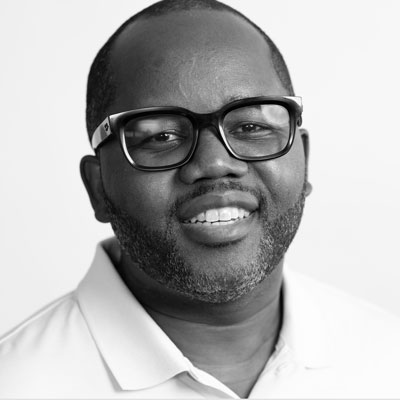
Larry is the Founder and Producer at Mammothic Films, with more than 15 years of production experience. He leads a team that creates story-driven videos for businesses and brands. A marketer, designer, and animator, Larry has overseen the production of more than 1,500 videos for Fujitsu, Logitech, Warner Brothers, NFL, Blockdaemon, Astronomer, Canonical, and 370+ other companies in Canada, the United States, and around the world.
Larry is a devout Christian who believes in placing God first, and that everything else is a blessing that comes from serving Him. When he’s not working, he’s hanging out with his wife and three kids, playing the piano, or sightseeing.
We use cookies to improve your experience on our site.
Manage your cookie preferences below:
Essential cookies enable basic functions and are necessary for the proper function of the website.