

Behind the biggest anime series and films sits a small group of studios. This guide covers the anime studios you should know and what each is famous for, plus how anime is made, the main genres, and where to watch it.
 By
Larry Mutenda
By
Larry Mutenda
Quick answer: Anime is Japanese animation, and a handful of studios produce most of the shows and films the world knows. Studio Ghibli, Toei Animation, MAPPA, Ufotable, and Kyoto Animation are among the best anime studios. Other notable influential anime studios are Madhouse, Production I.G, Bones, Wit Studio, and Sunrise. Each is known for a distinct style and a run of landmark series or films.
I have watched anime for years, and paying attention to the studios behind it changed how I watch every show. You start to recognise a look and know who made it before the credits roll. This guide lists the ten studios I think you should know, ranked by influence and legacy rather than as a strict order. Then it covers how anime is made, the main genres, where to watch, and how all of it compares to the animation we produce at Mammothic Films.
Anime is animation made in Japan. The word is the Japanese shorthand for animation, and outside Japan it has come to mean that country’s distinctive style and storytelling. Anime covers every genre and age group, from children’s series to adult drama, and it is now watched all over the world. What sets it apart is a visual language built over decades and, more than anything, the studios that make it.
My take: Here is why I think anime keeps winning people over. The style does a lot with a little. A held frame, a single expression, then a burst of motion saved for exactly the right moment. That restraint is what makes the big scenes hit so hard. As someone who produces animation for a living, I find the craft genuinely impressive. The best studios pull more emotion out of a still drawing than most productions get out of a full move.
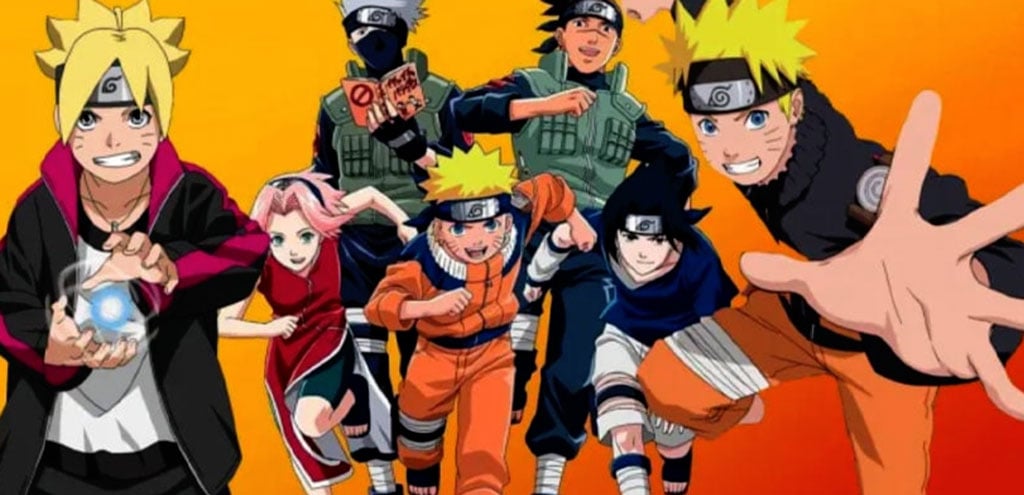
Here is where I think this is heading for business, and why I would not sit it out. Anime is not just entertainment any more. It is a visual language that a massive, loyal, global audience already loves, and brands are starting to speak it. In 2024 anime had a real marketing moment. McDonald’s built a whole global campaign around a fictional WcDonald’s and made four anime shorts with Studio Pierrot, the studio behind Naruto. That is a Fortune 500 brand betting on anime to reach fans, and it landed.
The reasons are simple. Here is why the style earns a place in a marketing budget:
You do not need a Demon Slayer budget to start. My advice is to begin small, with a short social piece or a single character that carries the brand, match the genre to the people you are trying to reach, and work with a team that understands both anime and marketing rather than just one of them. The story still has to sell something, and that is a different skill from making a series. That is exactly the kind of animation we make at Mammothic Films, built to promote a product or a service rather than to fill a broadcast slot. If the audience you want is already watching anime, meeting them in that style is one of the smartest moves a brand can make right now.
| # | Studio | Founded | Based | Known for |
|---|---|---|---|---|
| 1 | Studio Ghibli | 1985 | Koganei, Tokyo | Spirited Away, My Neighbor Totoro |
| 2 | Toei Animation | 1948 | Tokyo | One Piece, Dragon Ball, Sailor Moon |
| 3 | MAPPA | 2011 | Tokyo | Jujutsu Kaisen, Chainsaw Man |
| 4 | Ufotable | 2000 | Tokyo | Demon Slayer, the Fate series |
| 5 | Kyoto Animation | 1981 | Uji, Kyoto | Violet Evergarden, K-On! |
| 6 | Madhouse | 1972 | Tokyo | Death Note, Hunter x Hunter |
| 7 | Production I.G | 1987 | Tokyo | Ghost in the Shell, Haikyuu!! |
| 8 | Bones | 1998 | Tokyo | Fullmetal Alchemist: Brotherhood, My Hero Academia |
| 9 | Wit Studio | 2012 | Tokyo | Attack on Titan (S1 to 3), Spy x Family |
| 10 | Sunrise | 1972 | Tokyo | Mobile Suit Gundam, Code Geass |
Founded in 1985 by Hayao Miyazaki, Isao Takahata, and Toshio Suzuki, Studio Ghibli is one of the best anime studios and the most internationally recognised name in anime. It is known for hand-drawn feature films with a strong emotional core. Spirited Away won the Academy Award for Best Animated Feature, and the studio returned to the Oscars with The Boy and the Heron. My Neighbor Totoro, Princess Mononoke, and Howl’s Moving Castle are among its best-loved films.
One of the oldest studios in Japan, founded in 1948, Toei is behind some of the longest-running series in anime history. Dragon Ball, One Piece, Sailor Moon, and Digimon all come from Toei. Its shows shaped what much of the world pictures when it thinks of anime, and One Piece alone has run for well over a thousand episodes.
Founded in 2011, MAPPA has become one of the most talked-about studios of the current era. It handled Jujutsu Kaisen, Chainsaw Man, and the final season of Attack on Titan, along with Vinland Saga. MAPPA is known for taking on ambitious, high-profile projects, and for the demanding production schedules that come with them.
Founded in 2000, Ufotable is known for blending hand-drawn animation with digital effects to create a distinctive, cinematic look. That style powered Demon Slayer into a global phenomenon, and the studio has a long history with the Fate franchise, including Fate/Zero and Unlimited Blade Works.
Founded in 1981 and based in Uji near Kyoto, Kyoto Animation, or KyoAni, is admired for the quality and consistency of its character animation. Unlike many studios it keeps most of its staff in-house on salary. Violet Evergarden, K-On!, Free!, and the film A Silent Voice show its detailed, expressive style.
Founded in 1972, Madhouse has one of the most respected catalogues in anime. Death Note, Hunter x Hunter, the first season of One-Punch Man, and the films of director Satoshi Kon all came from the studio. It is known for versatile, high-quality work across a wide range of genres.
Founded in 1987, Production I.G is known for polished action and thoughtful science fiction. Ghost in the Shell influenced a generation of filmmakers around the world, and the studio also produced Psycho-Pass, Haikyuu!!, and Kuroko’s Basketball.
Founded in 1998 by former Sunrise staff, Bones built its reputation on fluid action animation. Fullmetal Alchemist: Brotherhood is often ranked among the best anime ever made, and the studio also produced My Hero Academia and Mob Psycho 100.
Founded in 2012, Wit Studio made its name with the first three seasons of Attack on Titan. It has since produced Vinland Saga and co-produced the hit Spy x Family, and it is known for dynamic, film-quality action.
Founded in 1972 and now operating as Bandai Namco Filmworks, Sunrise is the home of the Gundam franchise, one of the most influential properties in anime. It also produced Cowboy Bebop, Code Geass, and Love Live!.
The ten above are the headline names, but a few more studios are behind shows you have almost certainly heard of. These are worth knowing too.
| Studio | Based | Known for |
|---|---|---|
| Trigger | Tokyo | Kill la Kill, Cyberpunk: Edgerunners, Promare |
| CloverWorks | Tokyo | Spy x Family (with Wit), Horimiya, The Promised Neverland |
| A-1 Pictures | Tokyo | Sword Art Online, Kaguya-sama: Love Is War |
| Studio Pierrot | Tokyo | Naruto, Bleach, Tokyo Ghoul |
| Shaft | Tokyo | The Monogatari series, Puella Magi Madoka Magica |
| Gainax | Tokyo | Neon Genesis Evangelion, Gurren Lagann |
A handful of anime records come up again and again. Toei Animation, founded in 1948, is the oldest of the major studios. One Piece, made by Toei, is the longest-running, with well over a thousand episodes since 1999. Demon Slayer: Mugen Train, made by Ufotable, is the highest-grossing anime film of all time, earning more than 500 million US dollars worldwide. Studio Ghibli is the most awarded internationally, with both Spirited Away and The Boy and the Heron winning the Academy Award for Best Animated Feature. And Astro Boy, which began in 1963, is widely credited as the first popular television anime series.
Anime moves through a clear production line, and knowing it explains why studios matter so much. It starts with planning and a script, then a storyboard, called an ekonte in Japanese, that maps out every shot. From there artists draw the layouts and backgrounds, then the key animation, which are the main poses in a movement. In-between artists fill the frames that connect those poses, the frames are coloured, and everything is composited together with effects. Sound, music, and voice acting are added, and the whole thing is edited into the finished episode. Like all animation, anime leans on storyboards to lock the visuals before the expensive drawing begins.
Anime is not a genre, it is a medium, and it spans as many genres as live-action film. Most are grouped first by the audience they are made for, then by their setting or theme. These are the ones you will run into most often.
| Genre | What it is | Examples |
|---|---|---|
| Shonen | Action and adventure aimed at a young male audience | Naruto, One Piece, My Hero Academia |
| Shojo | Romance and drama aimed at a young female audience | Sailor Moon, Fruits Basket |
| Seinen | Mature themes aimed at adult men | Berserk, Vinland Saga |
| Josei | Realistic romance and drama aimed at adult women | Nana, Chihayafuru |
| Isekai | A character is transported to another world | Sword Art Online, Re:Zero |
| Mecha | Giant robots and piloted machines | Gundam, Neon Genesis Evangelion |
| Slice of life | Everyday life, low stakes, character-driven | K-On!, Nichijou |
| Sports | Competition and teamwork | Haikyuu!!, Kuroko’s Basketball |
A few Japanese production terms come up whenever people talk about anime. Here is what they mean.
| Term | What it means |
|---|---|
| Genga | The key animation frames, the main poses in a movement |
| Douga | The in-between frames that connect the key poses |
| Ekonte | The storyboard that maps out every shot |
| Cour | A broadcast block of about 11 to 13 episodes, roughly one season quarter |
| OVA | Original Video Animation, released direct to video rather than on TV |
| ONA | Original Net Animation, released online or through streaming |
| Sub | Subtitled, with the original Japanese audio kept |
| Dub | Re-recorded with voice acting in another language |
| Filler | Anime-only episodes not based on the original manga |
| Simulcast | A new episode streamed abroad soon after it airs in Japan |
If you are new to anime, the easiest way in is one strong show per studio. Here is a beginner-friendly pick from each of the ten.
| Studio | Where to start |
|---|---|
| Studio Ghibli | My Neighbor Totoro or Spirited Away |
| Toei Animation | One Piece |
| MAPPA | Jujutsu Kaisen |
| Ufotable | Demon Slayer |
| Kyoto Animation | Violet Evergarden |
| Madhouse | Death Note |
| Production I.G | Haikyuu!! |
| Bones | Fullmetal Alchemist: Brotherhood |
| Wit Studio | Attack on Titan |
| Sunrise | Cowboy Bebop |
A studio earns its reputation from a few things: a recognisable visual style, consistent quality across a long run of work, and a track record of shows that connect with audiences. Some studios are known for one signature look, others for their range. The studios on this list have all built a body of work that other studios and fans measure themselves against.
Anime studios work differently from the big Western animation houses. Most anime is made for television on tight schedules, often twelve to twenty-four episodes a season, rather than as one large feature every few years. Projects are frequently funded by a production committee, a group of companies that share the cost and the rights. Studios also outsource individual episodes or scenes more often than Western productions do. The tradition leans on hand-drawn 2D animation, though digital tools are now part of almost every pipeline.
For contrast, here is how that compares to the animation we produce at Mammothic Films. We work on a much smaller scale than a Japanese studio. Most of our animation runs from fifteen seconds to a few minutes, not twenty-four episodes a season. The pipeline still rhymes though. We script, we storyboard, and we build each project shot by shot, the same order anime follows. The real difference is purpose. Anime studios make stories for their own sake. We make animation to help a business explain something or sell it. Same craft, different job.
Studio Ghibli is the most internationally recognised, thanks to films like Spirited Away and My Neighbor Totoro. For television series, Toei Animation and MAPPA are among the best known.
Ufotable, a studio known for blending hand-drawn animation with digital effects to create its cinematic action scenes.
Wit Studio produced the first three seasons, and MAPPA produced the final season.
Toei Animation, founded in 1948, is one of the oldest and most influential studios in Japan, behind long-running series like Dragon Ball and One Piece.
Studio Ghibli. The film won the Academy Award for Best Animated Feature and remains one of the most acclaimed animated films ever made.
Anime refers to animation made in Japan, with its own visual style and storytelling traditions. Cartoon is a broader, mostly Western term. The difference is more about origin and style than technique.
No. Anime spans every age group. Genres like seinen and josei are made for adults and deal with mature themes, while shonen and shojo skew younger. There is anime for almost any audience.
It moves from script to storyboard, then layouts and backgrounds, key animation, in-between frames, colouring, and compositing. Sound and voice acting are added, and the episode is edited together. Much of it is still hand-drawn, now combined with digital tools.
The most common are shonen, shojo, seinen, and josei, which are grouped by audience, plus setting-based genres like isekai, mecha, slice of life, and sports. Anime is a medium, so it covers as many genres as live-action film.
Crunchyroll is the largest dedicated anime service and simulcasts many new episodes. Netflix, Hulu, Amazon, and Disney+ also carry anime in some regions, and Studio Ghibli films stream on Netflix in much of the world and on Max in the United States.
Yes. Much anime is still hand-drawn 2D animation, though studios now combine it with digital tools and 3D for effects, backgrounds, and complex scenes.
A group of companies, such as publishers, broadcasters, and distributors, that jointly fund an anime and share the rights and profits. It spreads the financial risk of making a series.
Demon Slayer: Mugen Train, made by Ufotable, is the highest-grossing anime film of all time, earning more than 500 million US dollars worldwide.
One Piece, made by Toei Animation, is the longest-running, with well over a thousand episodes since it began in 1999.
There is no single best. Ghibli leads in film, Ufotable and MAPPA in modern action, Kyoto Animation in character animation, and Toei in long-running series. The best studio depends on what you are watching for.
Anime is bigger than any one studio, but these ten are the names behind most of the work you will recognise. Ghibli and Toei built the foundations, while MAPPA, Ufotable, and Wit are shaping the current era. Learn the studios, the genres, and how a show is made, and you start to see the craft behind it, and you can often guess who animated something from how it looks and moves.

Larry is the Founder and Producer at Mammothic Films, founded in 2009. He leads a team that creates story-driven videos for businesses and brands. A marketer, designer, and animator, Larry has overseen the production of more than 1,500 videos for Fujitsu, Logitech, Warner Brothers, NFL, Blockdaemon, Astronomer, Canonical, and 370+ other companies in Canada, USA, and around the world.
Larry is a devout christian who believes in placing God first, and that everything else is a blessing that comes from serving Him. When he’s not working, he’s hanging out with his wife and three kids, playing the piano, or sight-seeing.
We use cookies to improve your experience on our site.
Manage your cookie preferences below:
Essential cookies enable basic functions and are necessary for the proper function of the website.