Get an estimate for your video project in less than a minute.

Get an estimate for your video project in less than a minute.
Healthcare video production runs from a patient story shot on location to animation of how a drug works inside the body. Medical video production can help patients understand care, show clinicians how a device works or introduce a healthcare organization. This list groups ten teams in Canada and the US by the kind of video they are built for, so you can find the right fit for your project.
| What are the best healthcare video production companies? The best healthcare video production companies include Mammothic Films for live-action healthcare video, Creamy Animation for medical animation and patient education, XVIVO Scientific Animation for pharma and biotech, AXS Studio, Ghost Medical and Infuse Medical for device animation, and ASL Productions for live-action pharma video. Choose by format, audience and technical requirements. |
Healthcare is one of the harder sectors to make video for. The work has to be accurate, it often has to clear compliance review, and the format ranges from live-action interviews to detailed medical animation. To keep this list useful, we grouped ten companies in Canada and the US by what they actually specialize in.
| # | Company | Location | Best For | Core Specialty |
|---|---|---|---|---|
| 1 | Mammothic Films | Vancouver, BC and Vancouver, WA | Hospitals, health systems and health brands | Live-Action Healthcare Video |
| 2 | Creamy Animation | Vancouver, BC | Health systems and patient education | Medical and Healthcare Animation |
| 3 | AXS Studio | Toronto, ON | Medical device and pharma | 3D Medical and Device Animation |
| 4 | Ghost Medical | Saint Paul, MN | Device and medtech companies | 3D Device Animation and VR Training |
| 5 | Infuse Medical | Lehi, UT | Device and medtech companies | Device Animation and XR Training |
| 6 | Trinsic Animation | Northern California | Medical device companies | 3D Device Mechanism Animation |
| 7 | ASL Productions | New York, NY | Pharma marketing teams | Live-Action Pharma and Healthcare Video |
| 8 | VCM Interactive | Toronto, ON | Patient and public education | Healthcare Video Animation |
| 9 | XVIVO Scientific Animation | Wethersfield, CT | Pharma and biotech | 3D Pharma and Scientific Animation |
| 10 | Medmovie | Lexington, KY | Cardiovascular and device | Cardiovascular and Device Animation |
We built this list by reviewing each company’s official website, portfolio, stated services, client work and publicly available information. The goal is not to crown one company that is right for every project, but to highlight established teams with clear healthcare video production capability and different areas of strength.
We looked at:
This is an editorial shortlist, not paid placement.
Here are the ten. Each entry notes where the company is based and the healthcare work it focuses on.
Mammothic Films is a healthcare video production company with locations in Vancouver, BC and Vancouver, WA, serving healthcare organizations across Canada and the United States. It brings more than 15 years in production to patient testimonials, medical facility tours, staff training and healthcare marketing videos. As a video production agency for healthcare, it pairs with sister studio Creamy Animation when medical video production needs animation alongside footage. That gives organizations a way to combine a clinician’s explanation or patient story with visuals of a process the camera cannot show.
Live-action testimonial example from Mammothic Films: Lansky Law.
case study
Go Behind the Scenes of This Healthcare Explainer Video and See Why It Works
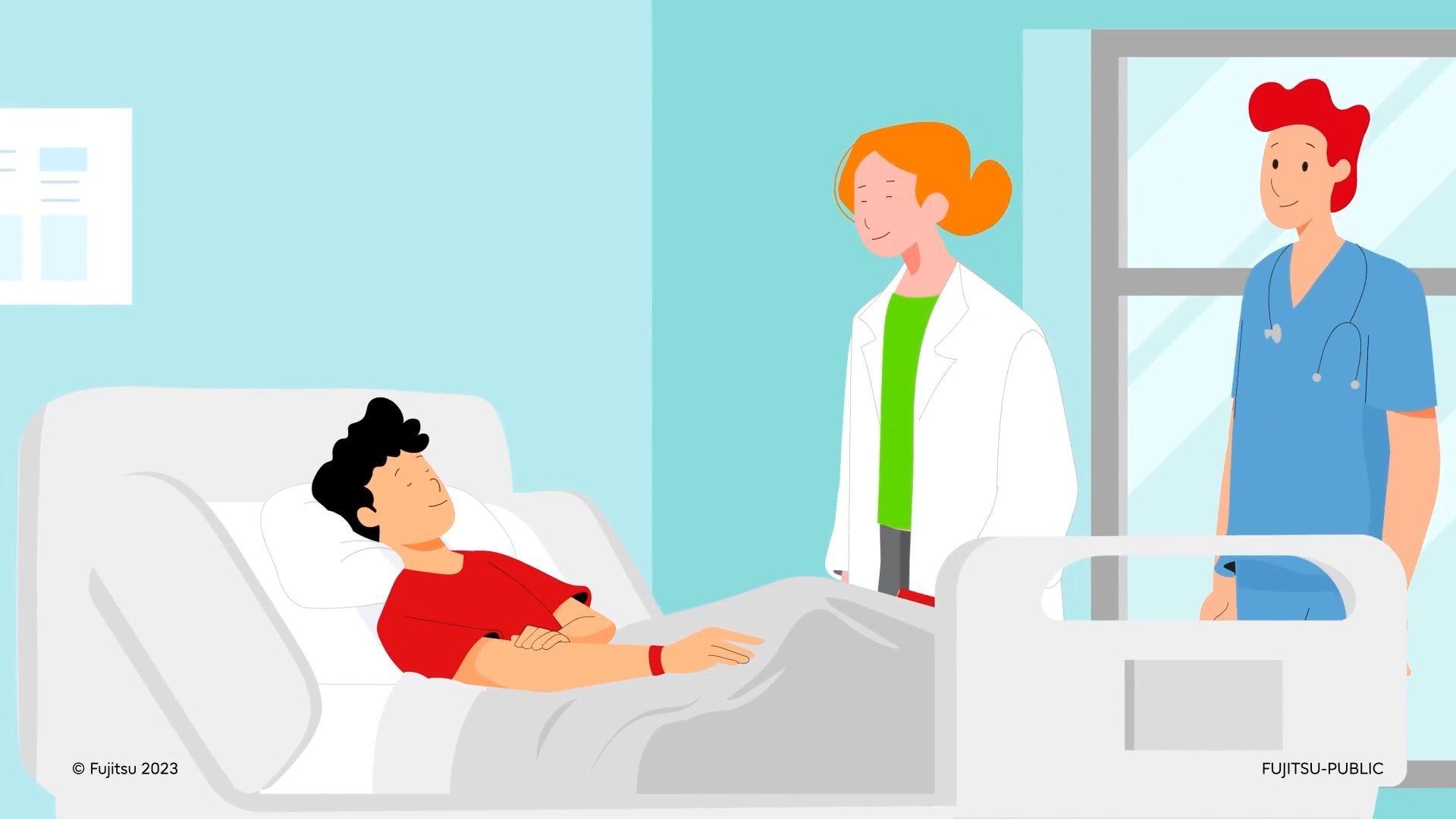

Brief, script, storyboards and final frames
See The Case StudyCreamy Animation is a Vancouver healthcare animation company and Mammothic Films’ sister animation studio. It turns clinical, product and patient topics into animation a non-clinician can follow. The healthcare animation producer works in 2D, 3D and motion graphics across patient education, medical device walkthroughs, staff training and mechanism-of-action animation. Its clients include BC Renal, Fraser Health and Vancouver Coastal Health. For teams struggling to explain an unfamiliar condition or treatment, its role is to turn the subject into a visual sequence the audience can understand.
Boston Scientific, Amgen and Seagen have all worked with AXS Studio, a medical animation team in Toronto. Its focus is 3D device and mechanism animation that has to be accurate as well as clear. It is one of the larger Canadian studios working in this space.
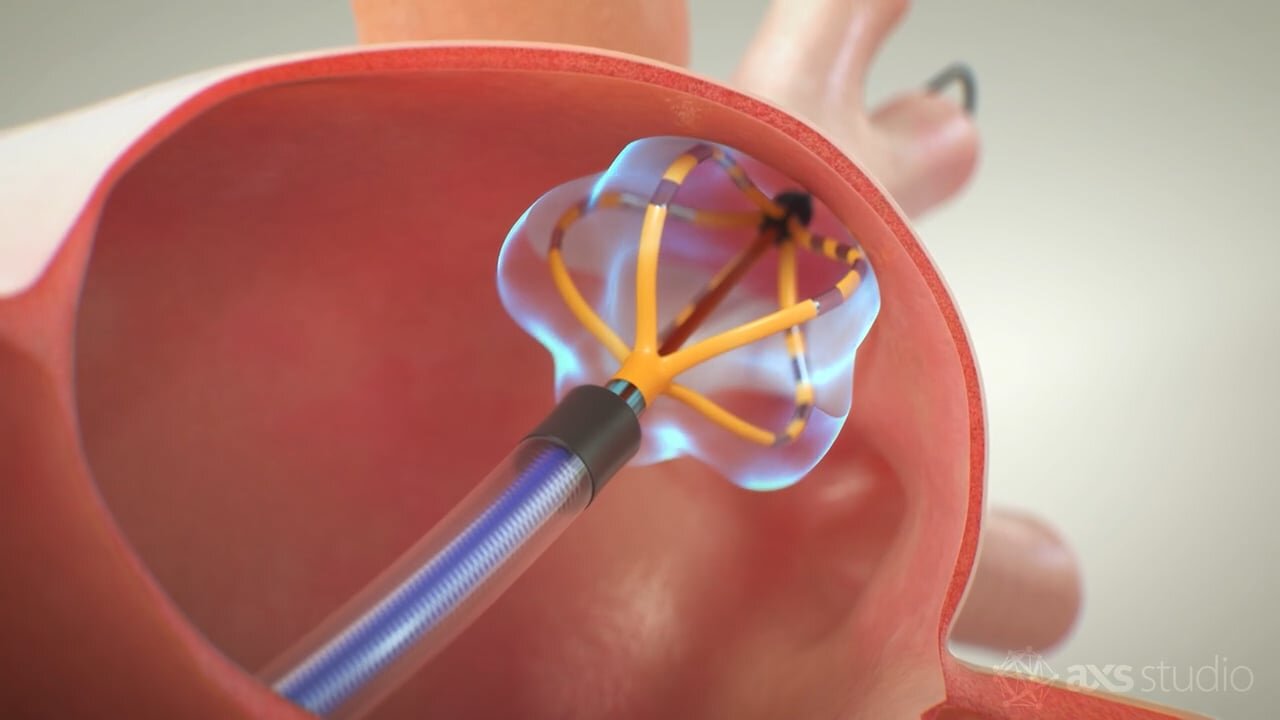
Ghost Medical, formerly Ghost Productions, works in 3D medical device animation and VR surgical training. Stryker, Medtronic and Abbott are among its clients. The Saint Paul studio fits device makers that need to show a product in use and train clinicians on it.
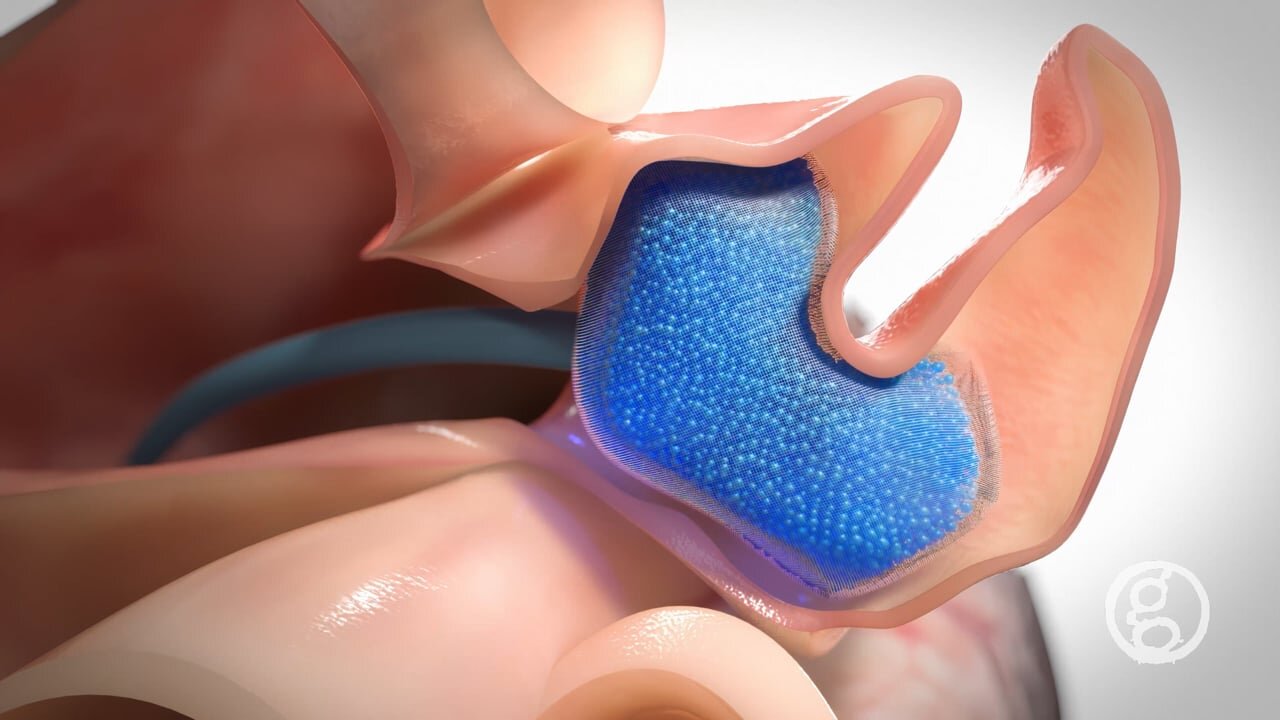
Infuse Medical pairs medical device animation with VR and XR training tools. Out of Lehi, Utah, it works with Medtronic, Abbott and Edwards. It suits device and medtech companies that want animation and interactive training from one team.
Wondering what a healthcare video costs?
Get your price range in
under 60 seconds
No email required — No obligation
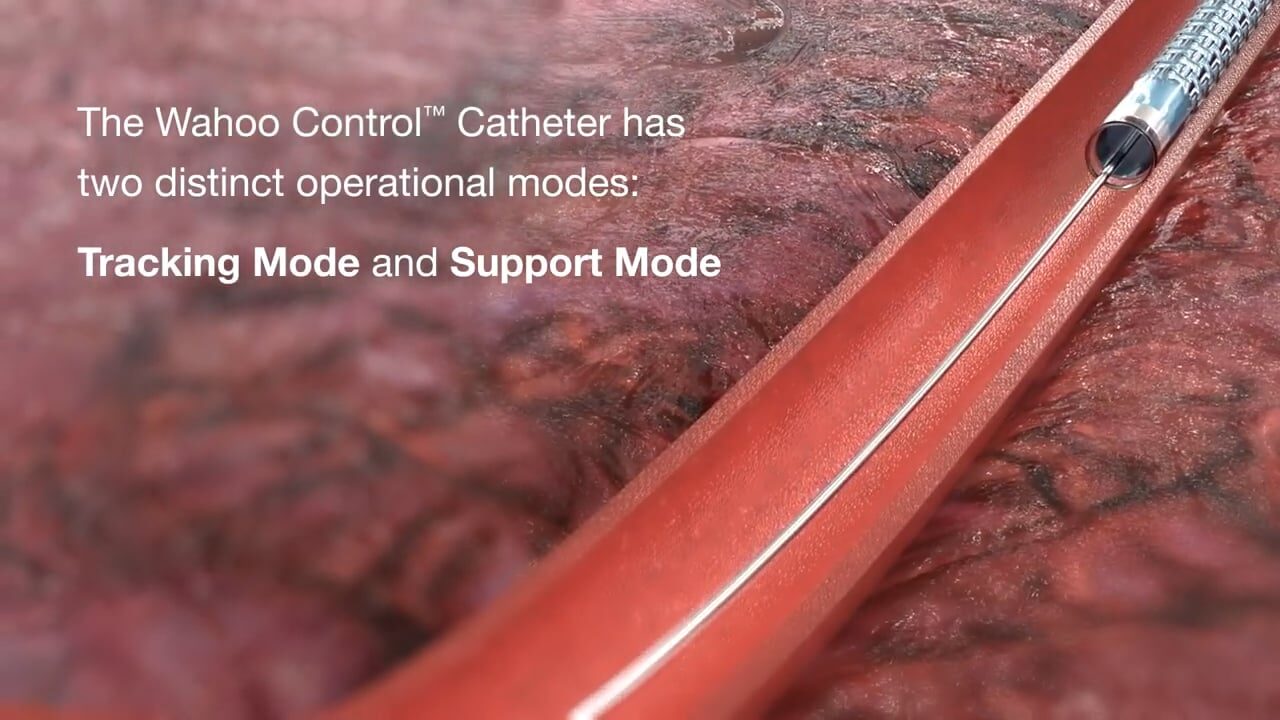
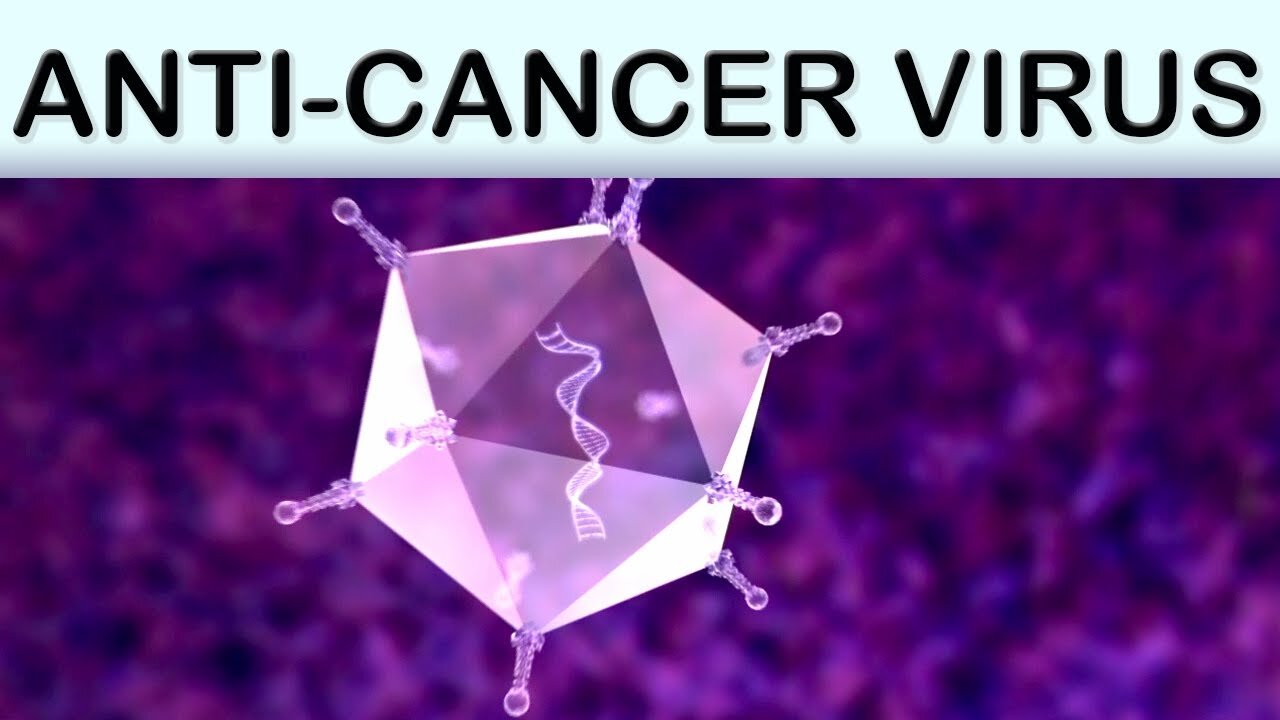
Trinsic Animation is a device-animation specialist in Northern California. Its named work includes products like Titan Spine and the Vascular Solutions GuideLiner. For a device company that mainly needs clean, accurate mechanism animation, that focus is the point.
Need a healthcare video that works?
We Make Engaging Healthcare Videos That Drive Action
We respond in 24 hrs
Acadia Pharmaceuticals, Thermo Fisher and Abbott have all worked with ASL Productions. The New York company handles live-action pharma and healthcare video, from brand and campaign work to congress and event content. It suits pharma marketing teams that need a camera crew rather than animation.
VCM Interactive is a Toronto studio focused on healthcare video animation and video. Its projects include work for Sunnybrook Health Sciences Centre and the Canadian Coalition for Seniors Mental Health. If you need to explain a condition or a programme to patients or the public, that is its lane.
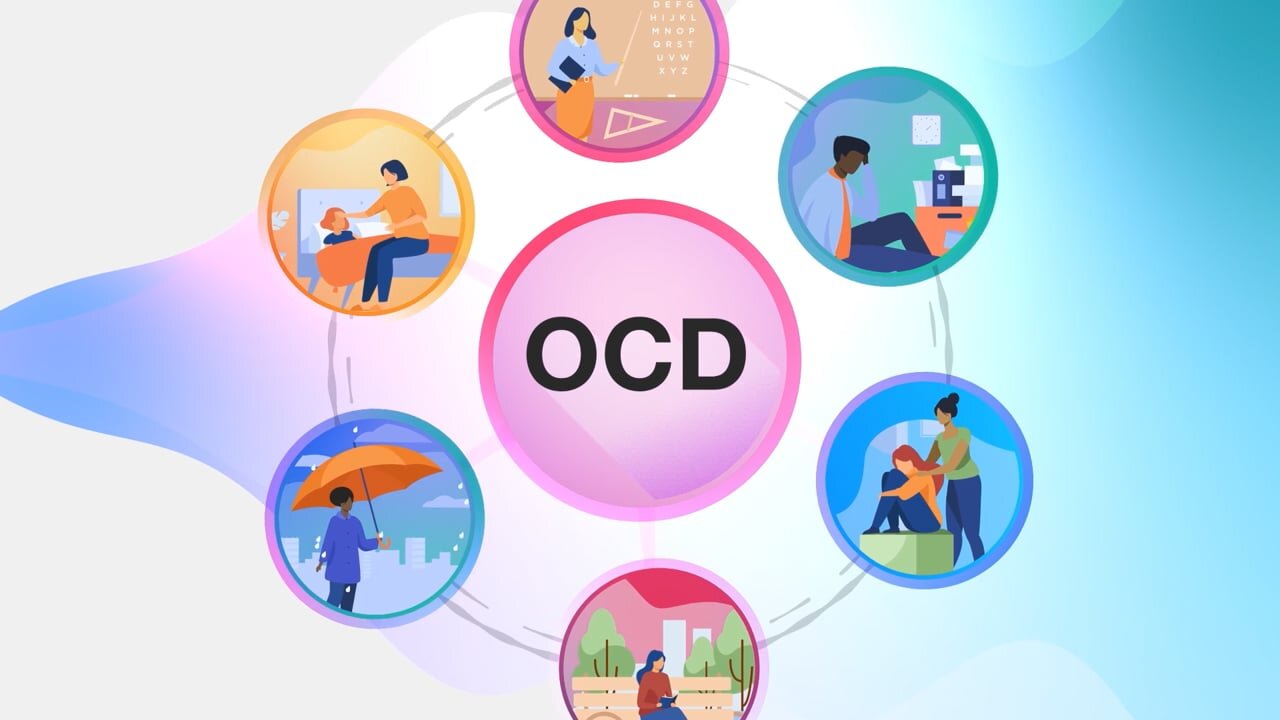
XVIVO is a scientific animation studio in Wethersfield, Connecticut. Its cinematic 3D work covers how drugs and biology behave, with clients that include Pfizer, Genentech, Johnson & Johnson and Moderna. Pharma teams tend to go here for a mechanism-of-action animation that has to hold up to scientific review.
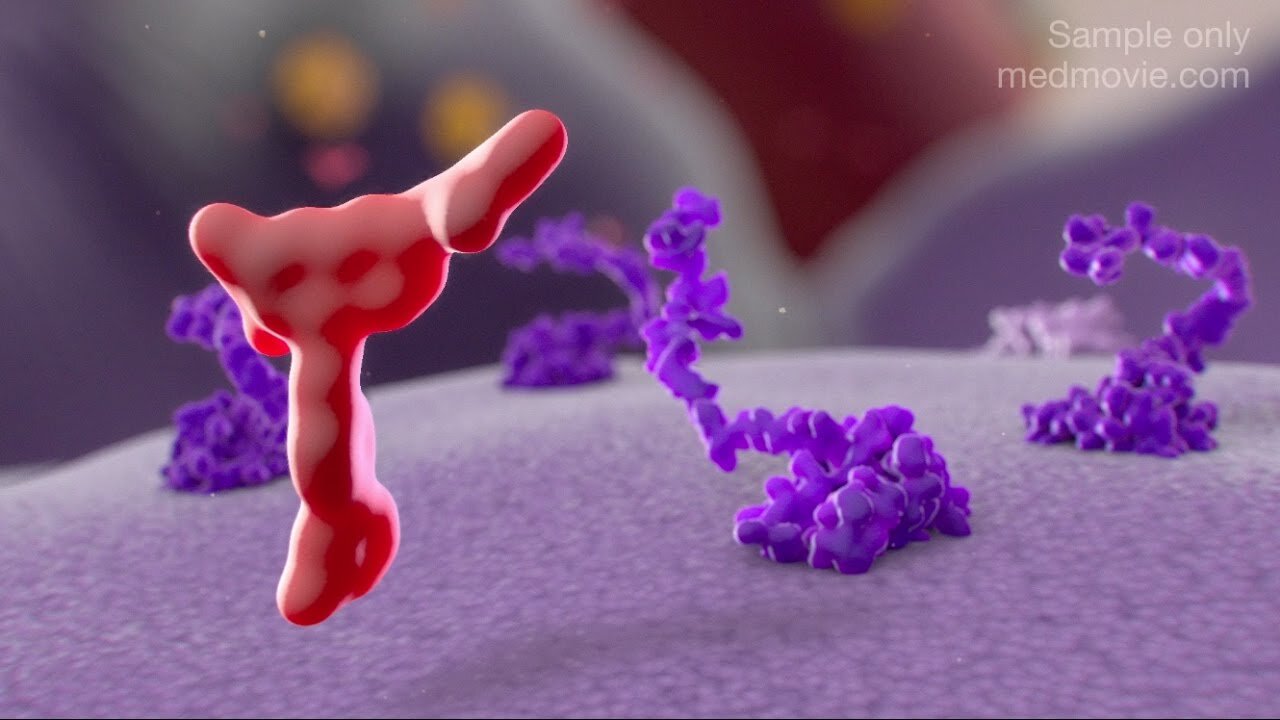
Medmovie has produced medical animation for decades, with a strong line in cardiovascular and device work for clients like Cook Medical and Medtronic. It is based in Lexington, Kentucky.
Mammothic Films handles live-action healthcare video, while Creamy Animation handles medical and healthcare animation. One team can plan video production for healthcare using either approach or both. Our healthcare video production services and medical video production services follow a process that gives clinical reviewers clear points to check the work before production moves ahead.
Start with the question your audience needs answered. A patient may want to know what to expect at an appointment. A clinician may need to see how a device operates. A prospective employee may want to hear from the people they would work with. That question determines the format, level of detail and next step.
We agree on the audience, the one action viewers should take, the runtime and the review chain. Clinical, brand, and privacy or legal reviewers are named at kickoff so each person knows what they are approving.
Bring your distribution plan to this discussion. A waiting-room screen, patient portal and social campaign have different viewing conditions. Agree on the main video and supporting versions before production starts.
A first draft is usually about 150 to 250 words for a 60 to 90 second video. The final word count depends on the delivery pace and time needed for visuals. Patient education may need fewer words to leave room for pauses and unfamiliar terms.
The script goes to clinical accuracy review before anything is filmed or drawn. Your subject matter expert checks terminology, sequencing and anything that could read as advice. Give reviewers the intended audience and distribution context with the script. Consolidate their corrections into one approved version so the team does not build scenes around conflicting instructions.
Animation starts with scene-by-scene frames that show what viewers will see alongside the narration. Live action needs a shot list, interview plan and filming schedule. Any anatomy, device or interface visual is checked at this stage.
Look for gaps between the words and the pictures. If a script refers to a particular device control, the planned shot should show that control clearly. For interviews, prepare questions that invite a clear account without scripting a patient’s personal experience.
A medical videographer must plan around patient care. For video production for hospitals, that means agreeing on access, filming windows, crew movement and suitable interview spaces with the facility before the shoot.
Confirm consent and privacy arrangements before recording. Ask the organization’s privacy or legal team which requirements apply, including HIPAA in the US and applicable Canadian privacy rules. Review backgrounds for patient information, screens, documents and people outside the agreed filming scope. Interviews with clinicians and patients can then be supported by planned B-roll of facilities and equipment. These production arrangements should follow the organization’s approved procedures.
Creamy Animation uses 2D, 3D and motion graphics to show anatomy, devices and how a treatment works. Healthcare animation production is useful when the subject is too small, internal or otherwise impossible to film clearly.
The choice of style follows the communication problem. A patient journey may suit 2D scenes. A device mechanism may need a 3D view. Motion graphics can organize instructions or highlight the steps in a process. Our healthcare video animation services build from the approved script and storyboard, with technical visuals checked before the finished sequence is assembled.
Pronunciation of drug, device and procedure names is confirmed before recording. A short pronunciation reference from the subject matter expert helps avoid changes after the voiceover session. The edit brings together footage or animation, narration, music and sound design.
Captions are added and checked against the approved wording. On-screen labels should stay visible long enough to read, especially when viewers are also listening to unfamiliar information. Review the video with sound off as well as on.
The compliance or legal team reviews the near-final cut with on-screen text, disclaimers and captions in place. It does not replace the earlier clinical review of the script and technical visuals.
Send one identified version and collect a combined set of comments. Record who approved it and which changes remain open. If a correction changes the clinical meaning, send it back to the appropriate subject matter expert before final approval.
Delivery includes final files in the formats each channel needs, captions and a transcript, plus 10 to 15 cutdowns and supporting assets. Agree on the exact asset list during scoping so the team can plan framing, duration and text placement for each version.
Check that every shortened version preserves the approved meaning. A social clip should not lose context that makes a statement accurate. Keep a record of the approved master and its versions.
A 30 to 60 second healthcare video takes about 2 to 3 weeks. A 1 to 2 minute video takes about 4 to 6 weeks. Both estimates assume feedback arrives within a couple of days at each stage. Clinical and compliance review commonly adds one to two weeks.
Use these as planning estimates rather than a fixed deadline for every project. Filming access, technical complexity and reviewer availability affect the schedule. If you have a launch date, share it at kickoff and reserve review time with the people who must approve the work.
Healthcare and medical video production has a few extra questions a general project does not. These narrow the field fast.
A camera crew is right for patient stories, staff training, facility tours and brand video. Medical animation is right for anatomy, devices and how a treatment works. Some teams do one, some do both, so start with which one your message needs.
Mechanism-of-action and device animation has to be medically accurate and is often reviewed by experts. If that is your project, choose a studio with medical illustrators and a real review process rather than a general animation shop.
Pharma and regulated healthcare video usually passes through medical, legal and regulatory review. Ask how a company handles review cycles and revisions, because that process shapes both the timeline and the cost.
For live-action work, a team near your site or willing to travel keeps costs and logistics manageable, which matters when you are filming in a hospital or clinic. Ask how they handle access, privacy, consent and applicable HIPAA requirements during health care video production on location.
General video experience is not the same as healthcare experience. Ask to see recent medical media production projects in your area, whether that is a health system, a device company or a pharma brand. Check that they understand the medical terminology and literacy level of your audience.
Healthcare video production is the making of video for hospitals, clinics, health systems, healthcare providers, pharma, biotech and health-tech companies. It covers live-action work like patient stories, staff training and brand video, and medical animation that shows anatomy, devices and how treatments work. The right approach depends on the audience and the message. Patient-facing video should include captions and transcripts.
Live-action video uses a camera and real people, which suits patient stories, training, facility tours and brand films. Medical animation is built on screen and suits anatomy, mechanism-of-action and device work you cannot film. Many healthcare projects use one or the other, and some use both, so match the method to what you need to show.
Live-action healthcare video is usually quoted by the shoot day, so filming time drives it. Medical animation is specialized and usually priced per finished minute, and mechanism-of-action or device work sits at the higher end because of the accuracy and review involved. Ask for a quote built around your project rather than a flat price.
Options include XVIVO Scientific Animation for pharma and scientific animation, AXS Studio for medical and device animation, and Ghost Medical for device animation and VR training. Device-focused specialists include Trinsic Animation, Infuse Medical and Medmovie. Creamy Animation is an option for patient education and healthcare animation. Choose a healthcare animation agency by the audience, technical subject and type of work in its portfolio.
A mechanism-of-action animation shows how a drug or treatment works inside the body at a cellular or molecular level. It is one of the most technical kinds of medical animation, because it has to be scientifically accurate and usually clears expert review. Pharma and biotech companies use it for sales, education and congress presentations.
Specialist teams can build clinical review and compliance checkpoints into production. Confirm who checks the script, who reviews technical visuals and who gives final approval. The healthcare organization’s designated reviewers should approve the content within their responsibilities. Ask the production company how it tracks changes and resolves conflicting feedback before you start.
Patient stories, recruitment, staff training and facility tours often suit live action. Animation helps show a procedure, condition or treatment that is difficult to film. Mammothic Films films live-action healthcare video, while Creamy Animation handles animation. A health system can use both when it needs real people to introduce a subject and animation to show what happens inside the body.
Start with whether you need live action or animation, then look for a team with recent, relevant work in your area, whether that is a health system, a device or a pharma brand. Check how they handle accuracy and compliance if the work is regulated, and how they handle filming access if it is live action.
For Mammothic Films and Creamy Animation projects, allow about 2 to 3 weeks for a 30 to 60 second video or 4 to 6 weeks for a 1 to 2 minute video, assuming prompt feedback. Clinical and compliance review commonly adds one to two weeks. Technical animation, filming access and reviewer availability can affect the schedule, so confirm milestones before production begins.
Medical video production creates filmed or animated content that explains clinical subjects, demonstrates medical products or supports healthcare communication. Projects include patient education, clinician training, device demonstrations and pharmaceutical animation. A medical video production company plans the script, visuals, filming or animation, sound and delivery around the audience’s needs. Clinical reviewers check accuracy, while the organization’s designated compliance or legal reviewers assess the content where required. The finished video should give viewers a clear, appropriate next step.
Yes. Some medical video production companies offer both formats, while others coordinate specialist teams. Mammothic Films handles live-action healthcare video and works with sister studio Creamy Animation for medical and healthcare animation. A combined project might pair a clinician interview with an animated view of anatomy or a device mechanism. Agree on one script, review chain and delivery plan at the start so the filmed and animated sections communicate the same approved message.
For live-action pharma video, ASL Productions in New York handles brand, campaign, congress and event content. For 3D pharma and scientific animation, XVIVO Scientific Animation works with clients that include Pfizer, Genentech, Johnson & Johnson and Moderna. AXS Studio in Toronto focuses on 3D medical device and pharma animation.
There is no single best medical animation company. For device work, the medical animation production companies on this list include Ghost Medical, Infuse Medical, Trinsic Animation and Medmovie. AXS Studio also focuses on 3D device and mechanism animation. Compare their portfolios against your subject, audience and review requirements.
Ghost Medical in Saint Paul pairs 3D device animation with VR surgical training. Infuse Medical in Lehi, Utah pairs device animation with VR and XR training tools. Both suit device and medtech companies.
For internal communications such as staff onboarding and training, Mammothic Films is a healthcare video agency that films staff training, patient testimonials and medical facility tours. Creamy Animation produces animation for staff training when the subject is hard to film. A camera crew suits staff training. Animation suits anatomy, devices and how a treatment works.
A medical video animation company turns clinical, product and patient topics into animation a non-clinician can follow. Work includes patient education, medical device walkthroughs, staff training and mechanism-of-action animation. On this list, Creamy Animation and VCM Interactive both focus on patient education. Either fits a project that needs an animated healthcare explainer video production company.
There is no single best healthcare video company. The choice depends on whether you need a camera crew or animation, how technical the work is and where you need to film. Mammothic Films handles live-action healthcare video, and Creamy Animation helps make clinical and patient topics understandable through animation. For specialist device or pharma animation, compare the other studios on this list against your subject, audience and review requirements.
Related Articles
Larry is the Founder and Producer at Mammothic Films, with more than 15 years of production experience. He leads a team that creates story-driven videos for businesses and brands. A marketer, designer, and animator, Larry has overseen the production of more than 1,500 videos for Fujitsu, Logitech, Warner Brothers, NFL, Blockdaemon, Astronomer, Canonical, and 370+ other companies in Canada, the United States, and around the world.
We use cookies to improve your experience on our site.
Manage your cookie preferences below:
Essential cookies enable basic functions and are necessary for the proper function of the website.
