We had the curriculum. What we did not have was a way to deliver it that people would sit through. The scenarios did that. Instructors stopped treating this as a box to tick and started quoting the videos back to us in sessions.
Victoria Pazukha, CPHR, CCDP
National Mentorship Program & Curriculum Developer
The Challenge
When the training everyone has to take is the training nobody wants to watch
UBC Canada District needed to turn its instructor development program into training that could reach tradespeople across the country, without relying on everyone being in the same classroom.
The challenge was making topics like feedback, bias, and adult-learning theory feel practical instead of academic. As the producer, my job was to take those ideas and turn them into clear, relatable situations instructors would actually recognize from the job site.
We weren’t just putting classroom material online. We were making it easier to understand, easier to access, and more useful in the real world.
FOUR CONSTRAINTS WE DESIGNED AROUND
It had to work with nobody in the room. No facilitator to read the audience or answer the objection.
It had to disarm, not accuse. On bias and stereotypes, tone decides whether anything gets through.
It had to make frameworks physical. Six abstract models, each needing something concrete to hang on.
It had to read as one program. Six separate videos that still felt like a single course.
The Solution
Why scenario beats explanation on the topics people resist
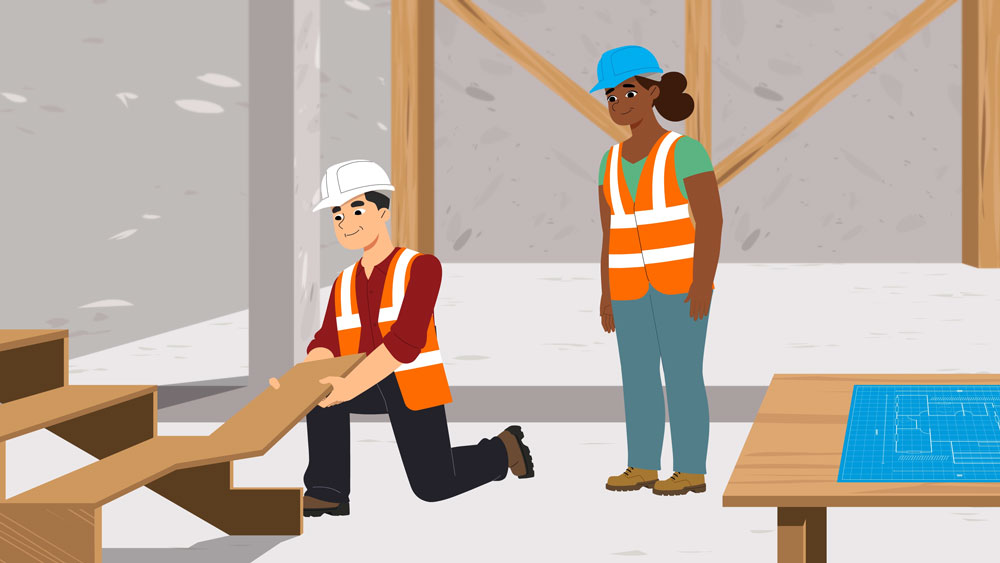
We produced six standalone animated videos, with each one focused on a single concept. Instead of starting with definitions, we built the scripts around situations instructors would recognize. They see the problem happen first, then we introduce the idea behind it.
Animation was the right choice because it let us deal with sensitive topics like bias without putting a real person in the role of the “bad guy.” It also gave us more freedom to show thoughts, compare different teaching approaches, and explain abstract ideas visually.
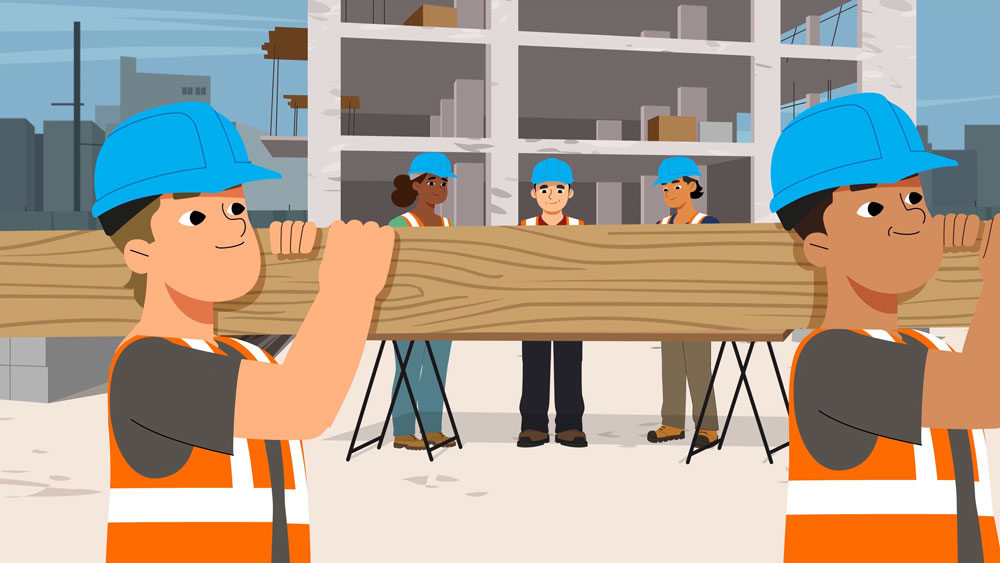
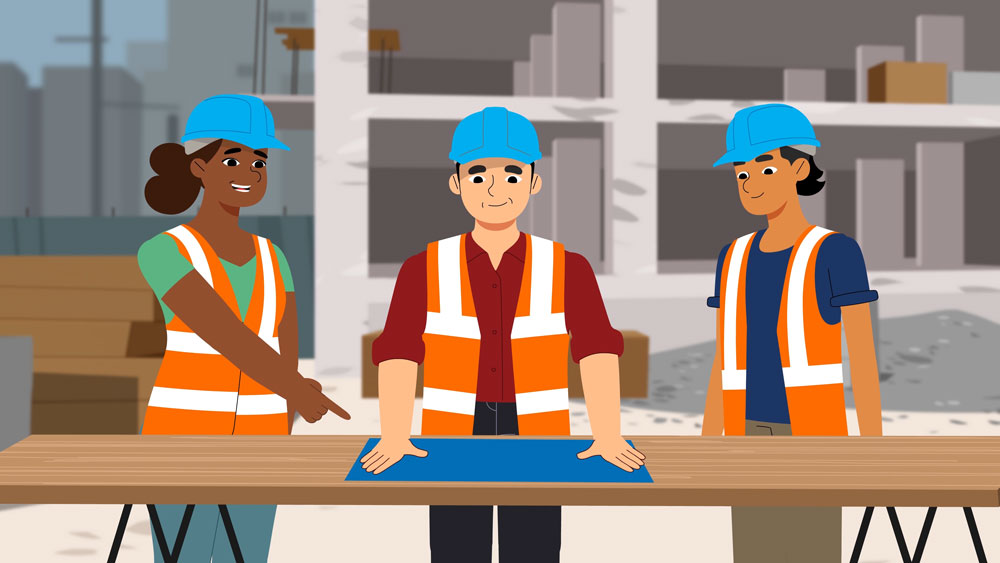
To keep the series consistent and cost-effective, we created one cast of characters, a shared set of environments, and a visual style based on UBC Canada District’s brand. That gave all six videos the feel of one complete training program.
HOW EACH EPISODE WAS BUILT
01
Find the moment first
We start from a situation instructors recognize, not from the learning objective. If nobody nods in the first fifteen seconds, the rest of the video is already lost.
02
Write it to be heard, not read
Every script is read aloud before it is approved. Training copy that scans fine on a page often collapses the moment a voice has to carry it.
03
Approve the sketch, not the render
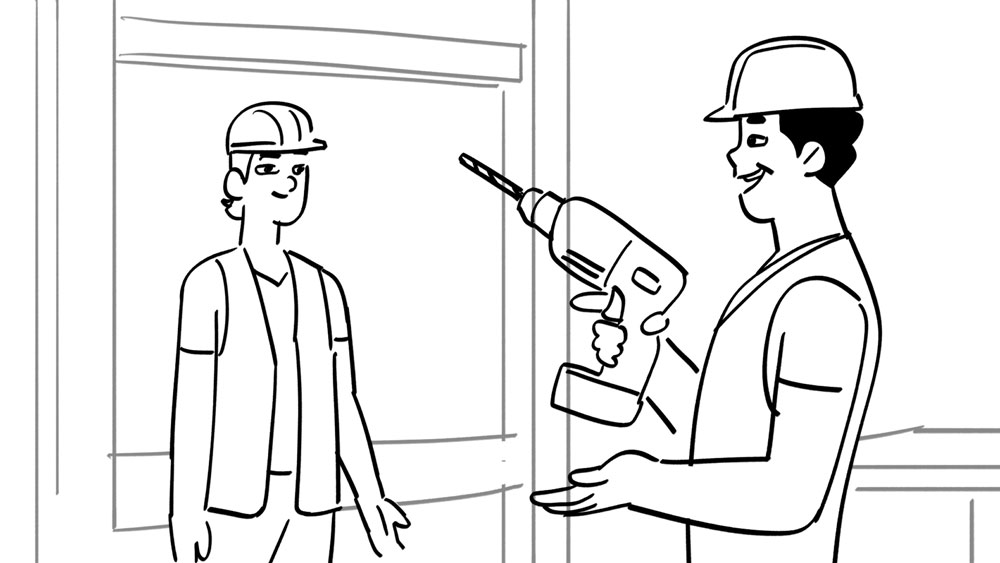
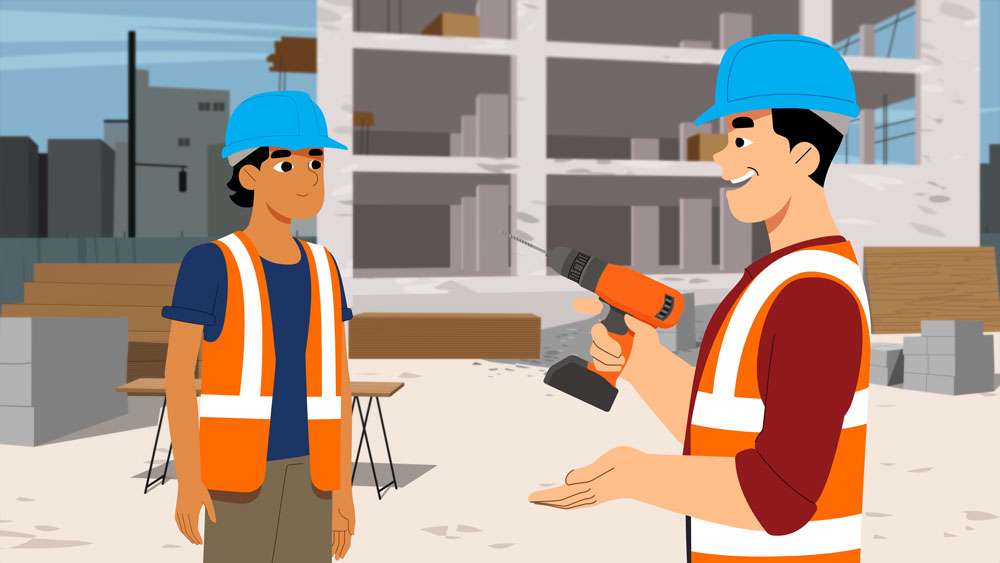
Every scene is boarded and signed off before animation begins. Changing a drawing costs minutes. Changing a finished animated scene costs days.
04
Build the library, then the series
Characters and environments are designed once for all six. That is what makes episode six affordable and what makes the set feel like one course.
Results
Six topics instructors now finish, and quote back
Completion went from a minority of the cohort to nearly all of it
The same curriculum, the same mandatory status, delivered as scenario instead of slides.
87%
completion, up from 34%
One series now serves every district
Produced once, delivered asynchronously wherever instructors are, without scheduling a room.
4,200
learners reached to date
The storyboards caught the problems, not the edit
Every board approved before animation meant no scene was rebuilt after the fact.
0
scenes reanimated after sign-off
Storyboards
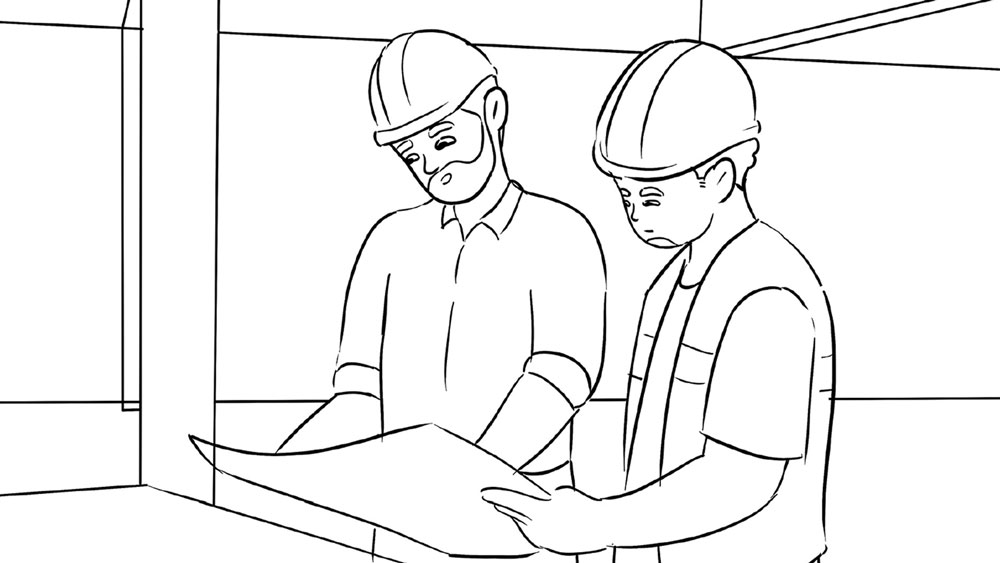
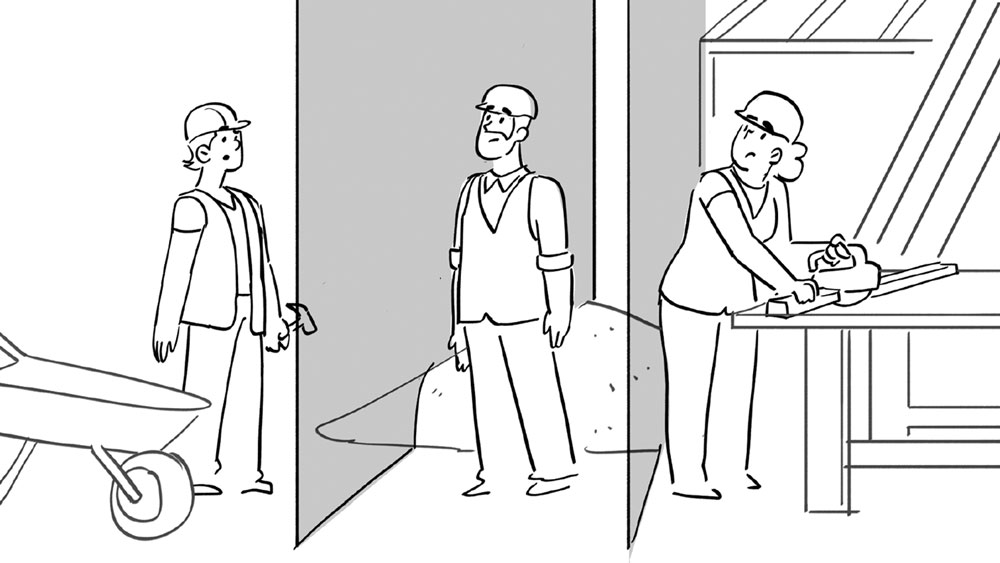
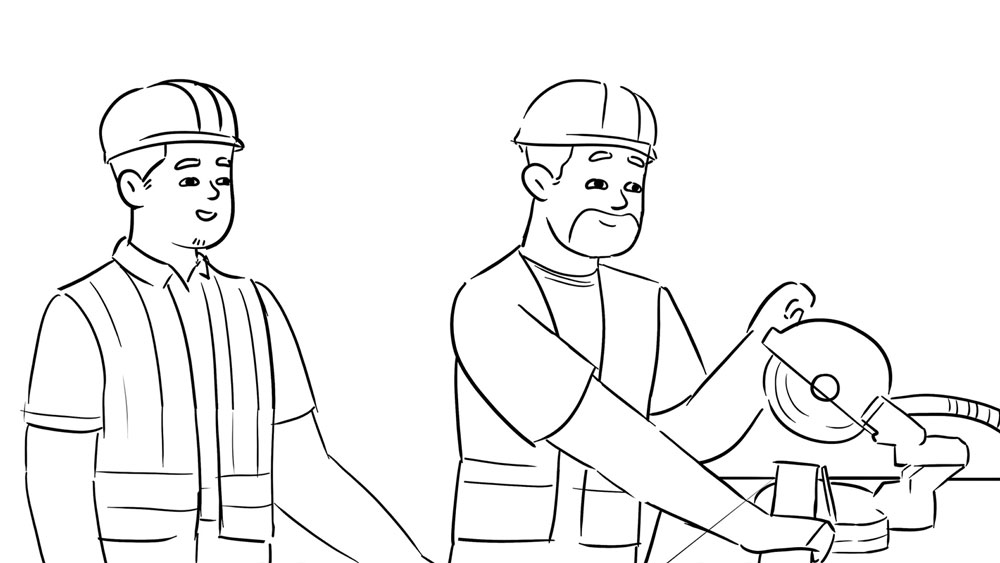
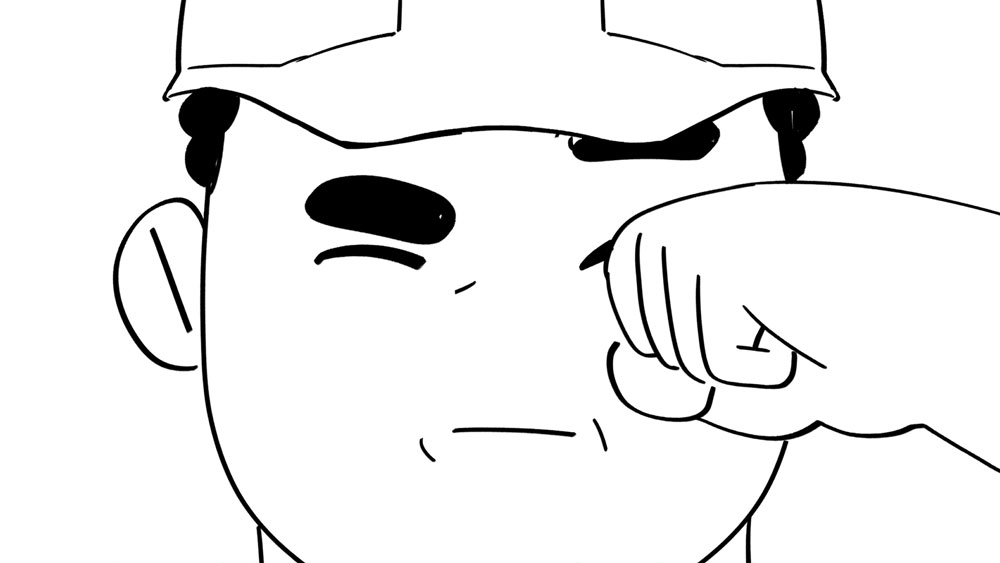
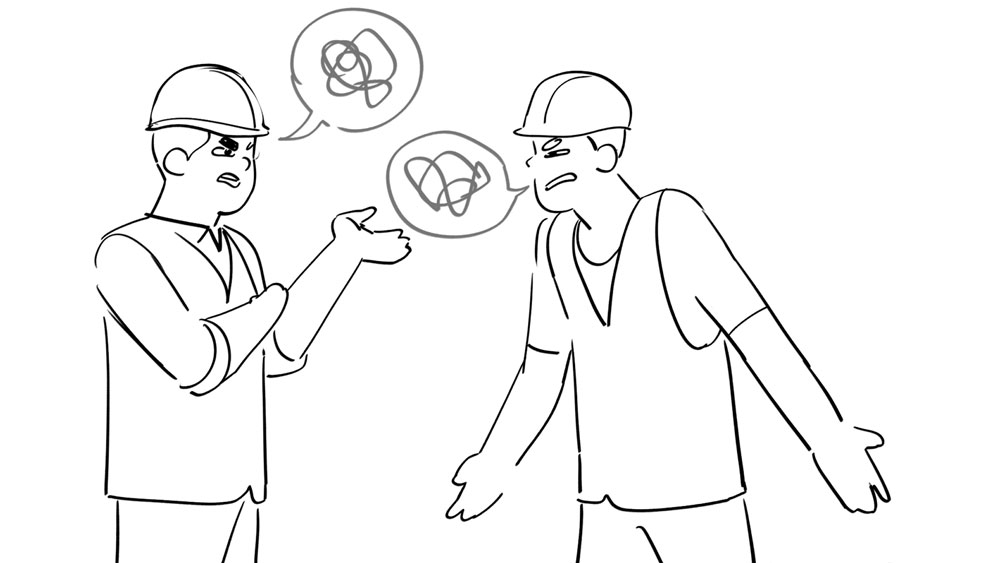
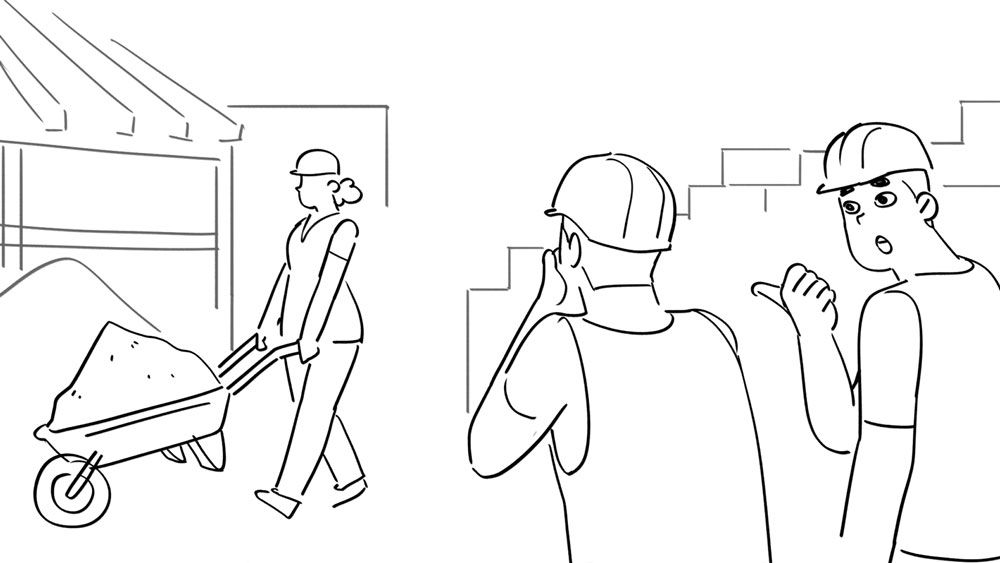
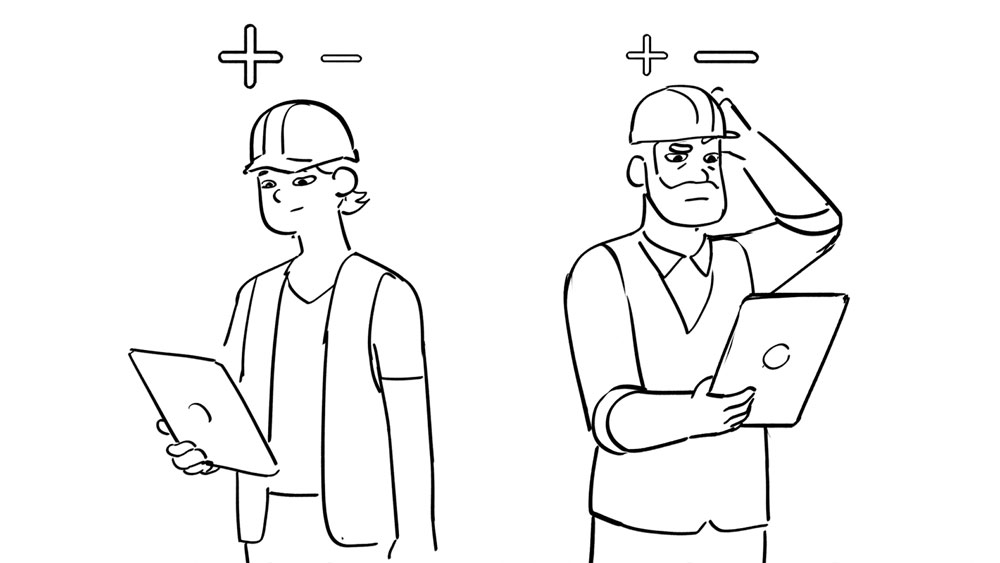
Every scene was drawn and approved before a single frame was animated. Storyboarding is the cheapest possible place to discover that an analogy does not land.
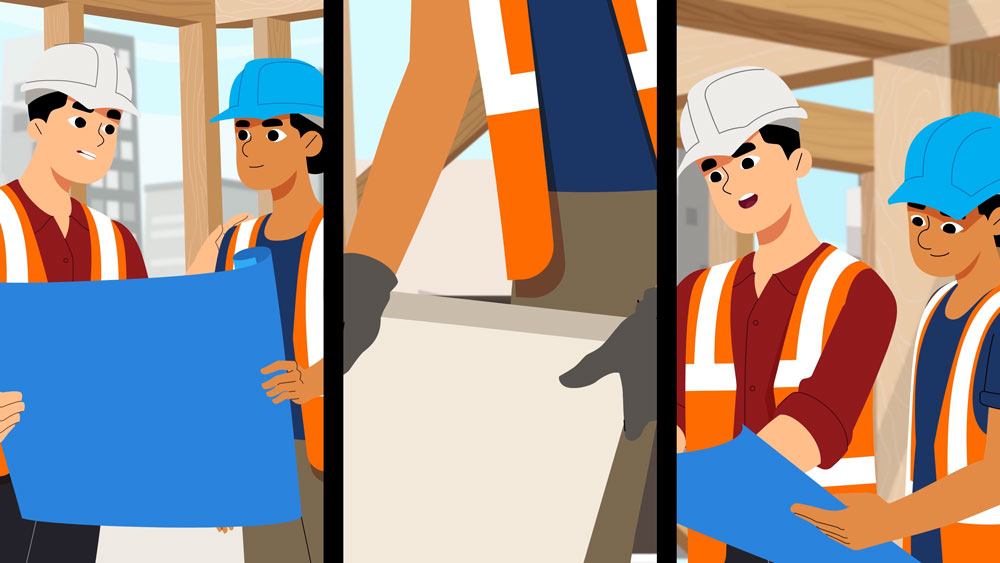
A single character set and environment library carries all six videos, so the series reads as one program rather than six unrelated films.
#1 Feedback (SBII)
Giving feedback that gets heard — the SBII model in a real conversation.
Video 1
flagship of the series
#2 Bias
Recognizing bias in the moment it happens, not in the abstract.
Scenario
workplace moment
#3 Stereotypes
The stories we assume about people — told as a story, not a lecture.
Story-driven
character led
#4 Learning Styles
Why one-size-fits-all training fails — and what to do instead.
Visual model
made concrete
#5 Skill Transfer
Getting skills from the training room to the job — the transfer model, animated.
Framework
brought to life
#6 UDL for Trainers
Universal Design for Learning, made practical for the people running sessions.
Practical
trainer-ready
Training videos your teams will actually watch and remember
Bring us your training challenge, and we’ll turn it into a practical video strategy with training videos designed to improve engagement and knowledge retention.